

Maddy summaryThis bill creates a 2-year pilot program to establish or improve state-based nursing workforce centers. It provides $1.5 million annually (2024-2025) for up to six state or regional centers, requiring non-Federal matching funds (1:4 ratio). These centers will analyze nursing workforce data - including education, retention, and shortages - and develop strategies to recruit, retain, and diversify nurses, especially in rural and underserved areas. The program mandates annual reports to Congress on outcomes and best practices for addressing nursing shortages. It directly affects states, nursing schools, healthcare employers, and nursing workforce centers through federal grants and data-driven planning.
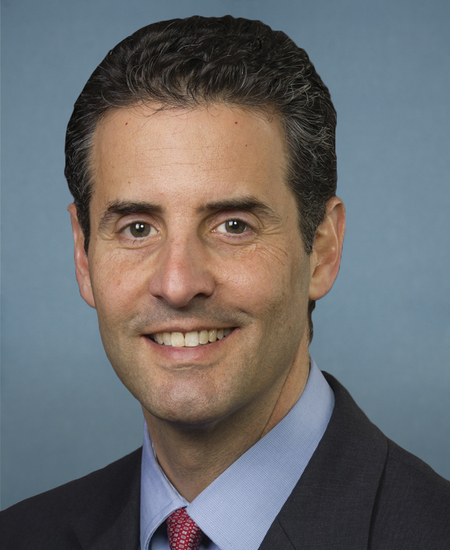
Rep. John P. Sarbanes
Sponsored bills
Maddy summaryThis bill authorizes $50 million annually from 2024 through 2029 for the Centers for Disease Control and Prevention (CDC) to conduct or support research on firearms safety and gun violence prevention. The funding is specifically for studies under the Public Health Service Act, adding to existing research budgets rather than replacing them. It directly affects CDC researchers and public health agencies by providing dedicated resources to study gun violence causes and prevention strategies. The bill creates no new regulations or requirements, only enabling research to inform future policy decisions.
Resident Physician Shortage Reduction Act of 2023 This bill increases the number of residency positions eligible for graduate medical education payments under Medicare for qualifying hospitals, including hospitals in rural areas and health professional shortage areas. Current law provides for an increase of up to 200 positions per fiscal year beginning in FY2023, with a total increase of 1,000 positions; each hospital may receive up to 25 additional positions. Current law also provides for an additional increase of up to 200 positions for FY2026, with at least 100 of these positions for psychiatry or related specialties; each hospital may receive up to 10 additional positions. The bill provides for an additional increase of 2,000 positions per fiscal year from FY2025-FY2031; during this period, each hospital may receive up to 75 additional positions in total under the bill and current law. Additionally, one-third of the positions that are made available under the bill must be allocated to hospitals that are already operating above applicable resident limits. The bill also requires the Government Accountability Office to report on strategies to increase the diversity of the health professional workforce, including with respect to representation from rural, low-income, and minority communities.
Maddy summaryThe Women's Health Protection Act of 2023 would protect access to abortion services by prohibiting states from imposing restrictions that are more burdensome than those for comparable medical procedures. The bill would ensure people can obtain abortion services before fetal viability without unnecessary limitations like mandatory waiting periods or biased counseling, and after viability when necessary to protect the patient's life or health. It would preempt state laws that conflict with these protections and allow for civil enforcement actions to challenge restrictive state laws. This bill directly affects people seeking abortion services (including transgender and nonbinary individuals who can become pregnant), health care providers, and states that have implemented abortion restrictions.
Maddy summaryHR 2501, titled "Sunset for the 2001 Authorization for Use of Military Force Act," would end the 2001 law (Public Law 107-40) that authorized military force following the September 11 attacks. The bill directly affects military operations currently justified under that 2001 authorization, requiring future actions to seek new congressional approval. It mandates the repeal of the 2001 AUMF 240 days after the bill becomes law, ending its legal authority. The bill states Congress finds the 2001 authorization has been used too broadly, conflicting with constitutional war powers.
Maddy summaryThe International Human Rights Defense Act of 2023 creates a permanent Special Envoy at the State Department to coordinate U.S. efforts against discrimination and violence targeting LGBTQI+ people globally. The bill requires the development of an annual global strategy to address criminalization, discrimination, and violence based on sexual orientation, gender identity, or sex characteristics. It also mandates that U.S. country reports on human rights practices include detailed information about laws and practices affecting LGBTQI+ communities. The legislation authorizes U.S. foreign assistance programs to support LGBTQI+ rights through health services, legal protections, and community capacity building. This bill aims to strengthen U.S. diplomatic engagement on LGBTQI+ rights as part of broader human rights policy.
Maddy summaryHR 1139, the GUARD VA Benefits Act, amends federal law to strengthen penalties for individuals or organizations charging veterans unauthorized fees when helping with VA benefit claims. It directly affects veterans seeking assistance with VA claims and the representatives (like advocates or attorneys) who might charge them fees. The bill adds a new provision making it a violation to solicit, charge, or receive any fee for preparing, presenting, or prosecuting VA claims, punishable by fines under Title 18. This change specifically targets unauthorized fee-charging while excluding fees covered under existing exceptions in sections 5904 or 1984 of the law.
Maddy summaryHR 1831 would award Billie Jean King a Congressional Gold Medal to honor her lifelong advocacy for equal rights in sports and society. The bill directs the Secretary of the Treasury to strike the medal and have it presented by congressional leaders, recognizing her pivotal role in advancing women's equality through tennis (including founding the Women’s Tennis Association and securing equal prize money) and her broader impact on society through initiatives like Title IX advocacy.
Maddy summary# Summary of the Agriculture Resilience Act of 2023 This comprehensive legislation aims to enhance agricultural sustainability, reduce greenhouse gas emissions, and decrease food waste across the food system. Key provisions include: 1. **Conservation Programs**: - Expanded Conservation Reserve Program with increased acreage limits through 2028 - New Grassland 30 pilot program for 30-year conservation contracts - Conservation of Private Grazing Land program focused on advanced grazing management - Alternative Manure Management Program to reduce methane emissions from livestock operations 2. **Renewable Energy**: - Enhanced Rural Energy For America Program with carbon accounting requirements - New agrivoltaic systems research and demonstration program - Continued support for the AgSTAR program (anaerobic digestion) 3. **Food Waste Reduction**: - Standardized quality date labeling ("BEST If Used By") and discard date labeling ("USE By") - Amendments to the Federal Food Donation Act requiring donation of excess food - School food waste reduction grant program for local educational agencies - Grants for composting and anaerobic digestion food waste-to-energy projects 4. **Additional Key Provisions**: - Composting recognized as a conservation practice - Technical assistance programs for sustainable agriculture - Support for beginning, socially disadvantaged, and small-scale farmers - Funding commitments for multiple programs through fiscal year 2028 The legislation emphasizes climate change adaptation and mitigation, environmental protection, food system resilience, and equitable support for diverse farm operations while reducing food waste across the supply chain.
Maddy summaryThis bill changes how U.S. foreign aid is provided to international health organizations. It prevents U.S. agencies from denying aid to foreign non-governmental organizations (NGOs) solely because they offer health services (like counseling or referrals) using their own funds, as long as those services follow local laws. It also stops applying stricter rules about how foreign NGOs can use their own funds for advocacy compared to U.S. NGOs receiving similar aid. The bill directly affects foreign health-focused NGOs that rely on U.S. foreign assistance funding.