

Maddy summaryThis bill reinstates a deduction for unreimbursed work-related expenses that were eliminated under the 2017 Tax Cuts and Jobs Act. It allows employees to deduct 85% of unreimbursed expenses for food, lodging, travel, or transportation incurred while performing job duties, instead of the previous 100%. The deduction is now calculated using a 1% floor of adjusted gross income (down from 2%), making it more accessible for lower-income workers. This change directly affects employees who pay for these costs out-of-pocket without reimbursement from their employers. The bill takes effect as if it were part of the 2017 tax law, with a one-year window for claiming refunds.
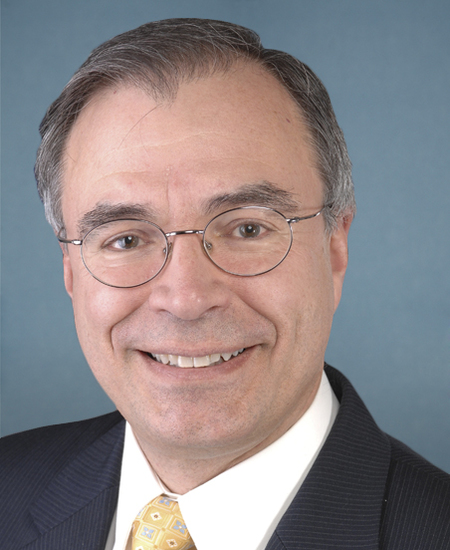
Rep. Andy Harris
Sponsored bills
Maddy summaryHR 1632, the *Reciprocity Ensures Streamlined Use of Lifesaving Treatments Act of 2025*, would allow the FDA to grant "reciprocal marketing approval" for drugs, biological products, and medical devices already approved in specific countries (like those listed in section 802(b)(1) or the UK). This would let manufacturers market these products in the U.S. without going through a full U.S. approval process, provided they meet safety and effectiveness criteria and address unmet medical needs. The FDA must make a decision within 30 days of a request, and Congress could override denials using a joint resolution. This directly affects drug/device manufacturers seeking faster U.S. market access for foreign-approved treatments.
Maddy summaryHR 1551, the Protect and Serve Act of 2025, creates a new federal criminal offense for intentionally harming law enforcement officers under specific circumstances. It imposes harsher penalties, including up to 10 years in prison for serious injury or life imprisonment if death occurs, kidnapping is involved, or a firearm is used. The law applies when the crime crosses state lines, involves interstate weapons, occurs on federal property, or targets federal officers. Prosecutions require the Attorney General’s written certification, considering factors like prior state convictions and public safety impact. The bill directly affects law enforcement officers and federal prosecutors by expanding federal jurisdiction for certain violent crimes against them.
Maddy summaryThe PAR Act removes restrictions that previously prevented private golf courses and country clubs from using certain tax-advantaged funds for recreational purposes. It amends a specific tax code section by deleting the phrases "private or commercial golf course, country club" wherever they appear. This change directly allows those facilities to access funds they were previously barred from using under existing tax rules. The law applies to new tax obligations after enactment, with limited transitional rules for existing programs.
Maddy summaryThis bill prohibits marijuana businesses from deducting ordinary business expenses on their federal tax returns. It amends federal tax law to deny deductions or credits for any costs related to selling marijuana (which remains illegal under federal law), directly affecting state-legal marijuana businesses operating under state law but subject to federal prohibition. The key provision requires these businesses to pay taxes on their full gross income without subtracting standard business costs like rent or supplies. The rule applies to tax years beginning after the bill's enactment date.
Maddy summaryThis bill prohibits U.S. government funds from being used to support organizations (both foreign and domestic) that provide, promote, or fund abortion services abroad, including referrals, counseling, or training related to abortions. It directly affects foreign NGOs, multilateral organizations, and domestic groups receiving U.S. aid if they perform or support such activities, even within programs funded by the U.S. government. The restriction includes all forms of financial support and co-location of abortion services with other funded programs, with exceptions only for abortions resulting from rape or incest, or when the mother's life is endangered. This policy change alters how U.S. foreign aid is allocated to ensure funds do not support abortion-related services.
Maddy summaryHR 1497 reorganizes three National Institutes of Health (NIH) institutes by splitting the current "National Institute of Allergy and Infectious Diseases" into three separate entities: the National Institute of Allergic Diseases, the National Institute of Infectious Diseases, and the National Institute of Immunologic Diseases. It creates new director positions for each institute with 5-year terms and updates all federal references to the old institute name. The bill affects NIH internal structure and leadership appointments but does not change research programs, funding, or public services. The transition requires NIH leadership to shift responsibilities from the old institute to the new ones until directors are appointed.
Maddy summaryHR 1485, the Alien Removal Not Resort Stays Act, terminates all federal funding for FEMA's Shelter and Services Program starting upon its enactment. It redirects all unobligated funds previously allocated to this program into U.S. Immigration and Customs Enforcement (ICE) for enforcement, detention, and removal operations. The bill directly affects FEMA's disaster shelter program and shifts its budget authority to immigration enforcement activities. This represents a concrete policy change in federal funding priorities, moving resources from disaster relief to immigration enforcement.
Maddy summaryHR 1492 amends the Social Security Act to extend the negotiation period for standard drug manufacturers under the federal drug pricing program. Specifically, it changes the timeframe from 7 years to 11 years for small-molecule drugs (like traditional pills) to negotiate prices with the government, aligning it with the existing 12-year period for complex biologic drugs (like insulin or monoclonal antibodies). This adjustment directly affects pharmaceutical companies that produce small-molecule drugs, giving them a longer window to negotiate pricing terms. The bill makes this change effective as if it had been part of the 2022 law that established the program.
Maddy summaryHR 1432, the LIABLE Act, removes federal immunity for manufacturers of authorized COVID-19 vaccines regarding claims of injury or loss from vaccine administration or use. It directly affects vaccine manufacturers by allowing individuals to pursue civil lawsuits for vaccine-related harm, regardless of prior compensation through existing programs like the National Vaccine Injury Compensation Program. The bill explicitly overrides previous laws (such as sections 319F-3, 2111, and 2122 of the Public Health Service Act) that previously limited manufacturer liability. This law applies retroactively to all vaccine administration or use occurring before, during, or after the bill’s enactment.