Maddy summaryHR 6677, the Seawall Expansion Act, updates federal definitions related to coastal infrastructure under the National Levee Safety Act of 2007. It expands the definition of "levee" to explicitly include seawalls, revetments, bulkheads, and soft infrastructure like beaches and dunes, replacing narrower existing terms. This change affects federal agencies managing coastal projects (such as FEMA or the Army Corps of Engineers) by clarifying which structures qualify for federal oversight and funding under current laws. The bill makes no new funding or construction requirements, only adjusting terminology for administrative consistency.
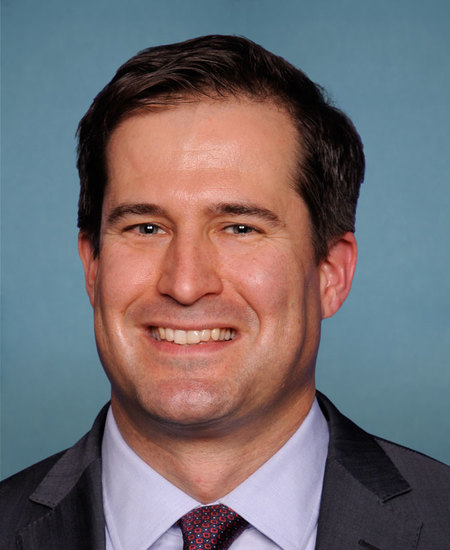
Rep. Seth Moulton
Sponsored bills
Maddy summaryThis bill amends existing law to expand substance abuse treatment services for children, adolescents, and young adults to explicitly include suicide prevention. It broadens eligibility for funding to include pediatric specialists, children’s hospitals, emergency departments, and Indian Health Service programs. The bill requires grantees to provide parents or guardians with counseling on preventing overdose/suicide and supplies to reduce access to lethal means (like medications or firearms). It mandates a minimum of $2 million annually in federal grants for these suicide and overdose prevention programs, effective 2024-2028.
Maddy summary# Summary of the Gun Violence Prevention and Community Safety Act of 2023 This comprehensive legislation introduces sweeping reforms to U.S. gun control laws, with several key provisions: ## Major Restrictions - **Semiautomatic assault weapons**: Requires registration of "grandfathered" weapons, mandates background checks for transfers, and imposes strict storage requirements - **Ghost guns**: Prohibits manufacturing, selling, or possessing untraceable firearms (those without serial numbers) with limited exceptions - **Undetectable firearms**: Bans weapons made of materials that can't be detected by airport security scanners - **Firearm accessories**: Bans trigger cranks, bump-fire devices, and other accessories that accelerate firing rate - **Silencers/mufflers**: Prohibits possession and sale of silencers/mufflers except for law enforcement and military use ## Dealer Reforms - Requires secure storage (locked cabinets, safes, security systems) at all gun dealers - Mandates annual inspections of high-risk dealers and triennial inspections for others - Requires background checks for all dealer employees before they can handle firearms - Requires dealers to maintain detailed records of all firearm sales and transfers - Establishes civil penalties for security violations (up to $20,000 per violation) ## New Funding Mechanisms - Increases excise taxes on firearms (30% on pistols, revolvers, and other firearms; 50% on ammunition) - Dedicates 39% of ammunition tax revenue to a Community Violence Intervention Fund - Allocates $60 million annually to DOJ and HHS for gun violence prevention research ## Community Programs - Creates a $120 million annual grant program for community violence intervention programs - Funds hospital-based violence intervention programs and street outreach initiatives - Requires evidence-based approaches to reducing homicides and group-related violence ## Implementation Timeline - Most provisions take effect 90 days after enactment - Some provisions (like ghost gun restrictions) have 1-2 year transition periods - Requires dealers to submit security plans within 1 year of enactment The legislation aims to reduce gun violence through both regulatory restrictions and investment in community-based prevention programs, with significant emphasis on closing loopholes that allow untraceable firearms to enter circulation.

Maddy summaryHR 6573, the Protecting Military Servicemembers' Data Act of 2023, prohibits data brokers from selling, reselling, or sharing military servicemember lists to "covered nations" (as defined in federal law). It directly affects military members by preventing their personal information - contained in specialized lists created for compiling military service details - from being sold to specific foreign governments. The key mechanism bans the commercial transfer of these lists, with enforcement handled by the Federal Trade Commission and state attorneys general. The law takes effect within one year of enactment or when the FTC issues final rules, whichever comes first. This is a concrete policy change targeting data brokers' practices, not a procedural measure.
Maddy summaryThe Elizabeth Dole Home Care Act of 2023 increases the expenditure cap for home- and community-based care for veterans from 65% to 100% of costs, with exceptions for certain cases based on clinical need and geographic factors. It establishes new programs including Veteran-Directed Care, which allows veterans to select and manage their own in-home care services, and Home-Based Primary Care, which provides in-home health care overseen by VA providers. The bill requires improved coordination with existing programs like the Program of All-Inclusive Care for the Elderly (PACE) and mandates a centralized website with information about available services. It specifically targets veterans who would otherwise require nursing home care or face increased risk of hospitalization, and includes provisions to address home health aide shortages through pilot programs.
Maddy summaryHR 6592, the Fight Book Bans Act, provides federal grants to reimburse public school districts for legal costs when they choose to keep instructional or library materials after parental objections. It directly affects school districts (covered local educational agencies) that select materials for students and handle challenges to their removal. The bill authorizes up to $100,000 per case in grants to cover attorney fees and court costs, provided the district didn’t remove the materials and wasn’t reimbursed by the state. Funding of $15 million is authorized for fiscal years 2024-2028. The grants are strictly for legal challenges to decisions not to remove materials, not for the content of the materials themselves.
Maddy summaryHR 6381, the Veterans Visa and Protection Act of 2023, helps noncitizen veterans and service members who face deportation by creating a pathway to legal permanent residency in the U.S. It requires the government to reopen removal cases for eligible veterans, adjust their status to lawful permanent residents if they served honorably without certain serious criminal convictions (like crimes of violence), and prohibit deportation except for such crimes. The bill also ensures these individuals can access military and veterans benefits they lost due to removal proceedings and allows them to apply for naturalization through military service. It mandates that immigration officials identify service members/veterans early in proceedings and track their cases to prevent unjust removal.
Maddy summaryThe COPE Act (HR 3581) creates a new grant program for the VA to fund mental health support services specifically for family caregivers of veterans enrolled in the VA's family caregiver program. It requires grantees to develop equitable plans addressing rural, American Indian/Alaska Native, elderly, women, and other underserved veteran communities, with priority given to areas with high veteran suicide rates or Veterans Crisis Line referrals. Grants must expand or create new mental health services while tracking outcomes like increased service utilization and reduced barriers, with annual reports to Congress. The bill authorizes $50 million annually (2023-2025) to supplement existing VA funding for this purpose.
Maddy summaryHRES 907 is a non-binding House resolution condemning rising antisemitism in the U.S., citing increased hate crimes (25% rise in 2022 per FBI data) and campus incidents (41% increase from 2021-2022 per ADL). It calls on all Americans, including campus leaders and government agencies, to combat antisemitism and urges implementation of the U.S. National Strategy to Counter Antisemitism. The resolution specifically requests increased funding for the Nonprofit Security Grant Program to strengthen safety protections for Jewish communities. It directly affects Jewish Americans, campus communities, and government agencies responsible for hate crime prevention and community safety.
Maddy summaryThis bill reauthorizes the Never Again Education program, which funds Holocaust education initiatives in schools. It extends the program's funding authorization period from ending after four fiscal years to continuing annually through fiscal year 2030. The bill modifies the existing law (Public Law 116-141) by updating the funding timeline without changing program requirements or eligibility. It directly affects the existing grant program supporting educational materials and teacher training on the Holocaust. The change ensures continued federal funding for these specific educational efforts until 2030.