

Maddy summaryThis concurrent resolution (HCONRES 69) commemorates the 15th anniversary of the January 8, 2011, Tucson shooting that killed six people and injured 13, including former Congresswoman Gabby Giffords. It honors the victims, survivors, and Giffords - now a prominent advocate for gun violence prevention - and recognizes her leadership in promoting civility and reducing gun violence. The resolution also commends Tucson residents and first responders for their resilience and reaffirms Congress’s commitment to respectful dialogue and opposing political violence. As a ceremonial resolution, it does not create new laws or policies.
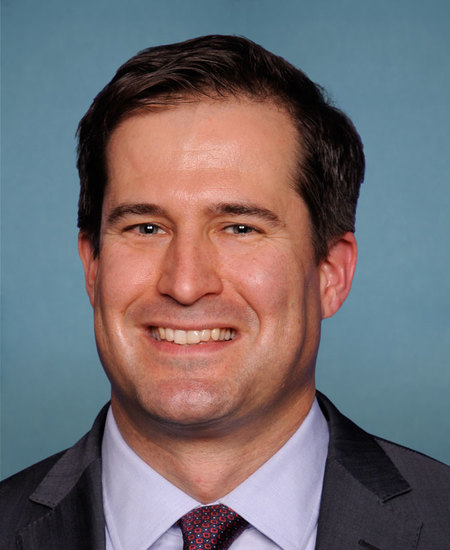
Rep. Seth Moulton
Sponsored bills
Maddy summaryHJRES 136 would require the President to issue an annual proclamation designating a day as "Democracy Day" each year. The proclamation must call on state and local governments, as well as educational authorities, to observe the day through programs and activities promoting civic engagement. The bill does not specify which date must be designated, leaving that decision to the President annually. This is a procedural measure focused on directing an existing executive action to foster democratic awareness, without creating new laws or altering existing policies.
Maddy summaryThis bill expands the Department of Veterans Affairs' (VA) efforts to support veterans facing systemic barriers by renaming the Center for Minority Veterans to include "Historically Underserved Veterans" and broadening the definition of "covered veterans" to include those experiencing difficulties due to factors like LGBTQ+ identity, rural residence, low income, language barriers, or citizenship status. It requires the VA to conduct biennial reviews of benefit disparities, establish new duties for the Advisory Committee (such as advising on expanding health care and suicide prevention services), and permanently reinstate the Office of Equity Assurance to address inequities. The bill directly affects veterans who have faced discrimination or access challenges in receiving VA benefits, including minority veterans, LGBTQ+ veterans, rural veterans, and those with limited English proficiency. Key mechanisms include mandatory disparity reviews, new committee guidance on benefit expansion, and a dedicated office to oversee equity initiatives.
Maddy summaryThis resolution (HRES 969) expresses support for designating the week beginning September 8, 2025, as "National Hispanic-Serving Institutions Week." It recognizes colleges and universities with at least 25% Hispanic undergraduate enrollment (known as Hispanic-Serving Institutions or HSIs) and their role in serving diverse, low-income students. The resolution does not create new policies or funding but encourages public observance through ceremonies and activities to honor HSIs’ contributions to higher education access and economic mobility. It applies symbolically to all 615+ HSIs across the U.S. and Puerto Rico.
Maddy summaryThis bill prohibits the use of federal funds for any military action against Venezuela from its enactment date through December 31, 2026, unless Congress either declares war or passes new specific authorization meeting War Powers Resolution standards. It directly affects all federal agencies and military operations that would require funding for actions targeting Venezuela. The key mechanism blocks funding for military force unless Congress explicitly authorizes it through one of two specific pathways. A narrow exception allows actions already compliant with existing War Powers Resolution rules. This is a funding restriction, not a ban on military action itself.
Maddy summaryThe Veteran Families Health Services Act of 2025 expands reproductive health services for military members and veterans. It requires the Department of Defense to provide fertility preservation services, including cryopreservation of reproductive genetic material before deployment or hazardous assignments for active duty service members. The bill also mandates the Department of Veterans Affairs to provide fertility treatment, counseling, and adoption assistance to veterans and their partners without regard to sex, gender identity, or sexual orientation. The law establishes coordination between military and VA health services to ensure continuity of care during the transition from active duty to veteran status. It includes provisions allowing veterans to maintain control over stored genetic material and make decisions about its use.
Maddy summaryHR 4611 (EACH Act of 2025) requires all federally funded health programs - including Medicaid, Medicare, military health plans, and the Indian Health Service - to cover abortion services without restrictions, repealing the Hyde Amendment's long-standing ban on federal funding for most abortions. This directly affects millions of people enrolled in these programs, particularly low-income women, women of color (including 25% of Black women and 22% of Hispanic women on Medicaid), and young people. The bill mandates coverage in all federally administered health plans and prohibits state or private insurers from restricting abortion coverage in health insurance. It aims to eliminate current federal and state barriers that deny abortion access to people who rely on government health programs.
Maddy summaryHR 1404, the CHAMPVA Children’s Care Protection Act of 2025, expands healthcare eligibility under the CHAMPVA program for children of veterans. It increases the maximum age for children to receive medical benefits from 21 to 26 years old, regardless of marital status. This change directly affects dependent children of veterans who were previously eligible until age 21, extending coverage through their mid-twenties. The policy amendment applies to medical care provided on or after the bill’s enactment date.
Maddy summaryHR 6864, the SAW Act, prohibits using motor vehicles to intentionally hunt, pursue, or kill mammalian predators (like coyotes or wolves) on federal land. It directly affects hunters or recreational users operating vehicles on federal lands, with penalties including fines up to $10,000 or up to 5 years in prison for violations. An exception allows use of vehicles for self-defense or to prevent injury to others. The Secretary of the Interior enforces the law, with authority to investigate violations and coordinate with federal, state, and local law enforcement. The law excludes tribal trust lands and defines "motor vehicle" broadly to include snowmobiles, vehicles, and watercraft.
Maddy summaryHR 6870, the GRACE Act, sets a minimum annual refugee admission floor of 125,000 for the U.S., replacing prior flexible caps. It creates a new pathway allowing community groups or private sponsors to provide resettlement services (like housing and support) for refugees, reducing reliance on traditional resettlement agencies. The bill requires the President to submit quarterly public reports to Congress detailing actual admissions, progress toward annual goals, regional allocations, processing times, and security checks. This directly affects refugees seeking admission, resettlement agencies, and federal agencies managing refugee processing, with transparency mechanisms to track compliance.