

Maddy summaryThe Mass Shooter Prosecution Act of 2023 creates a new federal crime for killing three or more people in a single incident using a machinegun or a "covered semiautomatic weapon" (defined as rifles with pistol grips or folding stocks, AR/AK-style weapons, certain shotguns, or other weapons meeting specific features). The law applies when the offense involves interstate commerce, such as transporting weapons across state lines or using facilities like mail systems. It requires the Attorney General to annually report to Congress on cases filed under this law, including victim counts, accused demographics, and weapons used. This bill establishes a federal prosecution path for qualifying mass shootings without changing existing state laws.
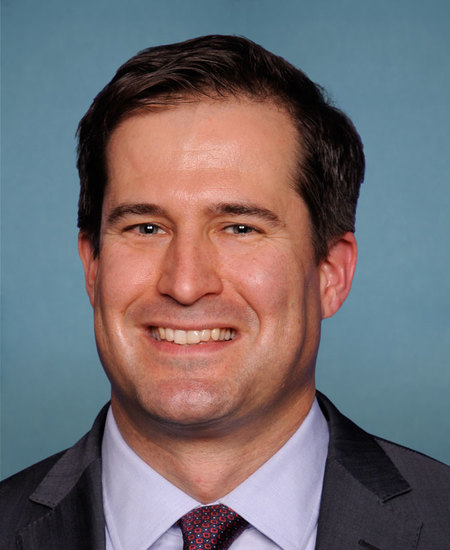
Rep. Seth Moulton
Sponsored bills
Maddy summaryThe PRIDE Act of 2023 amends the Internal Revenue Code to replace gender-specific terms like "husband and wife" with gender-neutral language such as "married couple" or "spouses" across numerous tax code sections. This bill affects all legally married couples who file federal tax returns by updating language in over 30 sections of the tax code related to filing status, deductions, credits, and other tax matters. The bill is a language update that makes the tax code more inclusive without changing existing tax treatment for married couples. It does not alter tax rates, benefits, or policies, but ensures all provisions apply equally regardless of gender.
Maddy summaryHR 4263, the ADINA Act, requires drug manufacturers to clearly label human-use drugs containing major food allergens (like peanuts or shellfish) or ingredients derived from gluten-containing grains (such as wheat or barley). This affects drug producers and pharmacies by mandating that labels state the presence of these allergens and specify the exact gluten source if applicable. The law aims to inform consumers with allergies about potential risks in medications. It applies to all drugs meeting these criteria, with implementation beginning within two years of the bill's enactment.
Maddy summaryHR 3698, the Feed Hungry Veterans Act of 2023, amends the Food and Nutrition Act of 2008 to expand eligibility for SNAP (Supplemental Nutrition Assistance Program) benefits to more veterans. It adds four new categories of veterans who can qualify: those with a "catastrophically disabled" status under military disability law, veterans under 65 receiving a pension under specific veteran benefits law, and those meeting existing high-disability rating thresholds. This change directly affects veterans who previously did not meet the program’s eligibility criteria but now qualify under these expanded definitions. The bill takes effect on October 1, 2023, making these eligibility changes operational for SNAP enrollment.
Maddy summaryThe SAFE Act of 2023 extends a 2018 law that prohibits slaughtering animals for human consumption to include horses, donkeys, and other equine animals, such as ponies. It amends Section 12515 of the Agriculture Improvement Act of 2018 by updating the language to replace "dog or cat" with "dog, cat, or equine" in both the section title and the main prohibition. This change directly affects the livestock industry and slaughter facilities by banning the processing of equines for food. The bill modifies existing law without adding new enforcement mechanisms, closing a gap in animal protection.
Maddy summaryHJRES 76 proposes renaming the Robert E. Lee Memorial in Arlington National Cemetery to the "Arlington House National Historic Site." This procedural bill would replace all official references to the memorial with the new name and repeal two prior resolutions (1955 and 1972) that established the memorial. The change affects how the site is identified in federal laws, documents, and records but does not alter its management or historical significance. The bill focuses solely on the official designation, not on policy changes or historical interpretation.
Maddy summaryThis bill improves the VA Work-Study program for veterans and active-duty military members by expanding eligible work opportunities to include roles with state/local governments and nonprofits that support veterans. It establishes a higher minimum wage standard, requiring payments to meet the highest of federal, state, or local minimum wage rates. The bill also requires electronic time tracking for participants and annual public reporting on program data, including participant demographics, wages, hours worked, and participating schools. These changes apply to work-study payments made on or after January 1, 2026.
Maddy summaryThis bill establishes the John Lewis Civil Rights Fellowship Program within the Fulbright exchange system to honor civil rights leader John Lewis and advance U.S. foreign policy through global civil rights education. It creates a new fellowship for U.S. early- to mid-career professionals, selecting at least 25 annually for 10-month programs to conduct research or intern with approved organizations in countries participating in Fulbright exchanges. Fellows must complete a work plan, attend an orientation in Washington, DC, and present findings at an annual summit, with the State Department covering costs for travel, lodging, and expenses. The program requires annual reports on participant demographics and program effectiveness, and expires seven years after enactment.
Maddy summaryThe Equality Act (HR 15) would amend federal civil rights laws to explicitly prohibit discrimination based on sexual orientation and gender identity in public accommodations, housing, employment, credit, and jury service. It amends the Civil Rights Act of 1964 to include sexual orientation and gender identity as protected characteristics under existing sex discrimination provisions. The bill would require businesses, housing providers, employers, and government entities to provide equal access and services without regard to a person's sexual orientation or gender identity. It includes specific definitions for gender identity and sexual orientation to clarify protections across all covered areas. The law would apply to all entities covered by the Civil Rights Act of 1964, including those receiving federal funding.
Maddy summaryHR 4121, the Right to Contraception Act, establishes a federal statutory right for individuals to access contraceptives and contraception services without government restriction or coercion, directly affecting all people seeking reproductive care and health care providers. The bill prohibits state or federal laws that limit access to contraceptives (defined broadly to include devices, drugs, and fertility methods), prevent individuals from obtaining or using them, or allow providers to refuse services based on personal beliefs. It preempts conflicting state laws, requires any restrictions to be justified by "clear and convincing evidence" of advancing access with no less restrictive alternative, and allows private lawsuits to challenge violations. The Act applies nationwide to all health care providers and individuals, protecting access regardless of factors like race, income, or location.