

Maddy summaryHRES 819 is a symbolic resolution recognizing the 5-year anniversary of the October 27, 2018, antisemitic attack at Pittsburgh’s Tree of Life Synagogue, which killed 11 people. It condemns antisemitism and references rising hate incidents, including the Anti-Defamation League’s 2022 report of record antisemitic activity (3,697 incidents). The resolution honors the victims, expresses solidarity with affected Jewish communities, and reaffirms the U.S. commitment to combatting hate and protecting religious freedom. As a procedural resolution (not a law), it has no binding effect but serves as a formal statement of congressional stance.
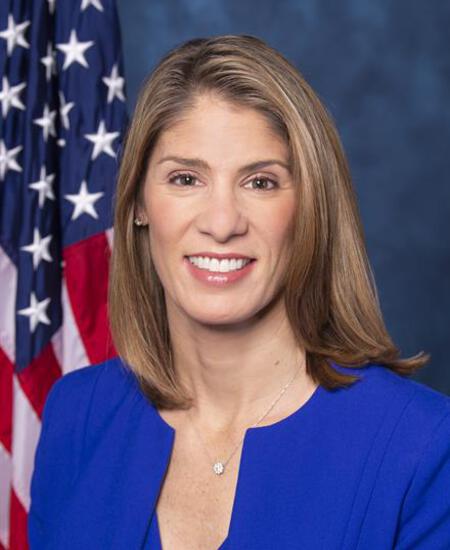
Rep. Lori Trahan
Sponsored bills
Maddy summaryThe Rape Kit Backlog Progress Act of 2023 requires states and local governments receiving federal crime-fighting grants to conduct comprehensive inventories of all sexual assault kits (both tested and untested) and report key details to the Attorney General. It mandates that jurisdictions document victim consent for testing, upload DNA results to the national CODIS database, establish electronic tracking systems for victims, and implement victim notification protocols. States must submit these reports annually to maintain eligibility for federal grants, with the Attorney General publishing a public annual report on backlog status and compliance. This law directly affects state/local law enforcement agencies and prosecutors handling sexual assault cases, aiming to improve transparency and accountability in processing evidence.
Maddy summaryHRES 771 is a non-binding resolution expressing the U.S. House of Representatives' support for Israel following Hamas' October 7, 2023, attack. It condemns Hamas' actions, affirms Israel's right to self-defense, and calls for the immediate release of hostages. The resolution also urges enforcement of existing laws restricting aid to terrorists and sanctions against Iran for supporting Hamas. It does not create new policies or allocate funds, as it is a symbolic statement of congressional support.
Maddy summaryHRES 768 is a symbolic House Resolution expressing congressional support for Israel following Hamas' October 7, 2023 attacks. It condemns Hamas' actions, reaffirms Israel's right to self-defense, and calls for the immediate release of hostages. The resolution references the U.S. commitment to Israel's security through existing military aid programs, including the 2016 U.S.-Israel Memorandum of Understanding, and emphasizes enforcement of laws like the Taylor Force Act to prevent U.S. aid from reaching terrorist groups. As a symbolic resolution, it does not create new policy but serves as a statement of congressional support for Israel.
Maddy summaryThis bill authorizes a one-time $40,000 payment to former Air America employees who served at least five years during 1950-1976, or to their survivors (widows/widowers, dependents, or children). Additional $8,000 payments are provided for each full year of service beyond five years. The total funding is capped at $60 million, with claims due within two years of regulations being finalized. It does not create ongoing benefits or change Air America’s legal status, and payments are issued as a single lump sum.
Maddy summaryThe Safe Schools Improvement Act (HR 6031) requires public elementary and secondary schools to implement comprehensive anti-bullying policies that specifically prohibit harassment based on protected characteristics like race, gender identity, disability, religion, and sexual orientation. It mandates schools to collect and publicly report annual data on bullying incidents while establishing clear grievance procedures for students and parents. The bill also requires states to submit biennial reports on school compliance and supports evidence-based interventions, such as restorative practices, to reduce exclusionary discipline. This legislation directly affects all public K-12 schools and students in the U.S., aiming to create safer learning environments through standardized policy requirements and data transparency.
Maddy summaryThis bill removes a previous exclusion that prevented temporary federal employees (including U.S. Postal Service staff and Members of Congress) from counting service after January 1, 1988, toward their retirement benefits. It allows these workers to have their post-1988 temporary service counted toward retirement eligibility if they pay a deposit to the retirement system. The change applies to anyone employed by the federal government on or after the bill's enactment date. The Office of Personnel Management must notify affected employees and create rules to implement this change.
Maddy summaryThis bill prevents health insurance plans from charging extra out-of-pocket costs for prenatal services when a pregnancy ends in miscarriage or stillbirth before delivery. Specifically, if a plan covers prenatal care as part of a bundled childbirth payment and a loss occurs, the plan cannot require additional deductibles, coinsurance, or copayments for those prenatal services beyond what would have been charged for a full birth. It applies to group and individual health plans covering such bundled payments, effective January 1, 2025. The law directly affects pregnant individuals experiencing pregnancy loss and their health insurance providers.
Maddy summaryThe Mental Health Infrastructure Improvement Act of 2023 provides federal loans and loan guarantees to help build or improve mental health and substance use disorder treatment facilities. It prioritizes projects that increase psychiatric bed capacity in underserved areas, serve rural communities, or provide integrated care, with 25% of funds reserved specifically for pediatric facilities. Borrowers must contribute 25% of project costs from non-federal sources, and the program allocates up to $200 million annually for fiscal years 2024-2028. The bill includes specific terms for loan repayment, guarantee coverage, and requirements for eligible facility types that qualify for funding.
Maddy summaryThis non-binding resolution (HRES 737) expresses the House's recognition of the link between firearm violence and intimate partner violence, highlighting that firearms are used in nearly 66% of intimate partner homicides and disproportionately impact Black, American Indian/Alaska Native, and Hispanic women. It commends domestic violence advocates and pledges to fund research on this intersection, while calling for specific policy actions like strengthening background checks (NICS), restricting firearm access for those under domestic violence restraining orders, and supporting survivor programs. The resolution also urges Congress to prioritize pending bills such as H.R. 905 and H.R. 715 to address this issue.