

Maddy summaryHR 8427, the Stop Arming Cartels Act of 2024, bans the civilian possession, sale, or transfer of rifles capable of firing .50 caliber ammunition, with exceptions for government use and rifles already owned before the law's enactment. It requires owners of such rifles to register them with the federal government within 12 months (without fees) and adds a new provision allowing lawsuits against sellers who knowingly supply these rifles to foreign drug traffickers. The bill also expands federal firearm prohibitions to bar individuals designated as significant foreign narcotics traffickers under existing law from purchasing or possessing firearms. These changes directly affect civilian rifle owners, gun sellers, and foreign drug traffickers targeted by U.S. sanctions.
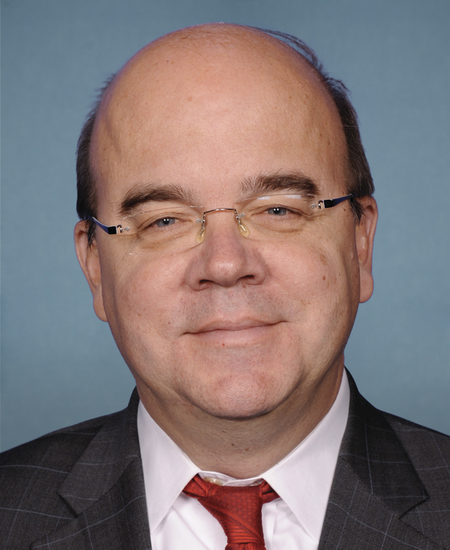
Rep. James P. McGovern
Sponsored bills
Maddy summaryThis bill requires Medicare to pay separately for certain high-cost diagnostic drugs used in nuclear imaging (like those for cancer detection) starting in 2024. It applies to drugs with a daily cost of $500 or more (adjusted annually), ensuring they are not bundled with other services. Payments will be based on either the drug's average sales price or wholesale cost, with adjustments to keep overall Medicare spending unchanged. This directly affects Medicare Part B providers (hospitals, clinics) and beneficiaries receiving these specific diagnostic treatments.
Maddy summaryThe READ Act Reauthorization Act of 2023 extends the authorization period for the Reinforcing Education Accountability in Development Act (commonly known as the READ Act) from five to ten fiscal years. This change allows U.S. international education programs, administered by agencies like USAID, to operate without annual reauthorization for a longer period. The bill directly affects programs providing educational support in developing countries, such as teacher training and literacy initiatives. The key mechanism is amending Section 4(a) of the existing law to adjust the funding duration, ensuring continued program stability.
Maddy summaryThe Rights for the TSA Workforce Act of 2024 would transition Transportation Security Administration (TSA) employees, particularly screening agents, from TSA-specific personnel rules to the standard federal government personnel system under Title 5 of the U.S. Code by December 31, 2024. The bill prohibits changes to current personnel policies for covered employees until the transition date and ensures no reduction in pay or benefits during the conversion process. It preserves certain benefits like law enforcement availability pay for Federal air marshals and maintains collective bargaining rights for screening agents. The bill also requires various reports to Congress on recruitment, implementation, diversity, and workplace safety to be submitted within specified timeframes.
Maddy summaryHRES 1221 is a non-binding U.S. House resolution commemorating the 35th anniversary of the 1989 Tiananmen Square protests and condemning the Chinese government's ongoing human rights record. It specifically references the suppression of peaceful demonstrations, censorship, and the 2020 Hong Kong National Security Law's impact on pro-democracy activities and annual vigils. The resolution calls on the U.S. government to urge China to end censorship of the 1989 events, release political prisoners (including those detained for protests like the "White Paper Movement"), and address human rights abuses in Xinjiang and Tibet. It also demands the Hong Kong government allow the resumption of Tiananmen vigils and release individuals jailed for organizing them. This resolution serves as a symbolic diplomatic statement with no legislative effect.
Maddy summaryHRES 1203 is a symbolic resolution designating July 17, 2024, as "Glioblastoma Awareness Day." It expresses congressional support for raising public awareness about glioblastoma, a highly aggressive brain cancer with a 6.9% 5-year survival rate and limited treatment options. The resolution encourages greater public understanding of the disease's challenges, honors those affected by it, and urges continued research and collaboration. This is a non-binding awareness measure with no new funding or policy changes.
Maddy summaryHR 8366 extends the duration of US sanctions authorities targeting Hong Kong, Tibet, and Xinjiang from five to ten years under four existing laws. It modifies specific provisions in the Hong Kong Human Rights and Democracy Act (2019), the Reciprocal Access to Tibet Act (2018), and the Uyghur Human Rights Policy Act (2020) to extend sanction periods. The bill also extends the expiration date for a 2019 law banning munitions exports to the Hong Kong Police Force to December 31, 2029. These changes maintain current sanctions policies without introducing new restrictions.
Maddy summaryThis bill authorizes the placement of a memorial honoring women who contributed to World War II efforts on the National Mall or adjacent federal land in Washington, D.C. It specifically removes a location restriction (under 40 U.S.C. § 8908) to allow the memorial - previously authorized by the 2023 Consolidated Appropriations Act - to be situated within Area I of the National Mall or the National Mall Reserve. The memorial would commemorate over 18 million women who worked as pilots, engineers, mechanics, and codebreakers during the war. The bill directly affects the Women Who Worked on the Home Front Foundation, which is tasked with establishing the memorial.
Maddy summaryThis resolution (HRES 1199) commemorates the 50th anniversary of Turkey's 1974 military invasion and ongoing occupation of northern Cyprus. It formally condemns Turkey's continued occupation, calls for the immediate withdrawal of its 35,000 troops, and demands the removal of over 200,000 Turkish settlers from the occupied territory. The resolution also urges Turkey to assist in repatriating displaced Cypriot refugees and to cooperate on resolving the fate of missing persons, including U.S. citizens. As a symbolic congressional statement, it does not create binding law but expresses the House's position on the Cyprus issue.
Maddy summaryHRES 1192 is a resolution recognizing widening global threats to press freedom and reaffirming the importance of a free press in countering authoritarianism, misinformation, and disinformation. The resolution commemorates World Press Freedom Day on May 3, 2024, and expresses concern about journalists being imprisoned, harassed, and killed worldwide, including in countries like Russia, China, Belarus, Iran, and Gaza. It calls on the U.S. government to continue prioritizing press freedom as a key component of promoting democracy, human rights, and good governance internationally. As a procedural resolution, it does not enact new laws but serves as a formal statement of U.S. policy support for press freedom.