

Maddy summaryThis bill allows asylum seekers not in detention to obtain work authorization 30 days after filing their asylum application, provided their application isn't deemed frivolous. It directly affects individuals seeking asylum in the U.S. who are awaiting a final decision on their case. The authorization remains valid until the asylum application receives a final denial, including any administrative or court appeals. This changes the prior system where many asylum seekers faced prolonged work restrictions while their cases were processed.
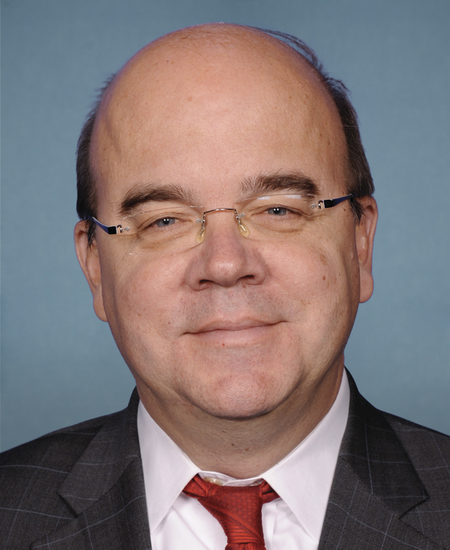
Rep. James P. McGovern
Sponsored bills
Maddy summaryThe Military Spouse Hiring Act expands the Work Opportunity Tax Credit to include military spouses. Employers who hire a spouse of an active-duty military member - certified by a local agency as meeting eligibility requirements on the hiring date - can claim this tax credit. The credit reduces the employer's federal tax liability for hiring such individuals. This provision applies to new hires after the bill's enactment date.
Saving Us from Pandemic Era Resistance by Building a Unified Global Strategy Act of 2023 or the SUPER BUGS Act of 2023 This bill requires the Department of Health and Human Services (HHS) to seek to enter into arrangements with foreign countries, multilateral organizations, and other appropriate entities to facilitate the development and commercialization of qualified pandemic or epidemic products, which include drugs, biological products, and medical devices. HHS shall report to Congress a strategy for achieving this goal.
Maddy summaryThe Peace Corps Reauthorization Act of 2023 makes several key updates to support Peace Corps volunteers. It increases readjustment allowances from $125 to $375, establishes protocols for safely returning volunteers whose service was interrupted by catastrophic events, and improves health care provisions including mental health services. The bill extends noncompetitive hiring eligibility for returning volunteers for up to three years and implements a zero-tolerance policy for illegal drug use. It also adds protections against retaliation for volunteers who report issues related to waste, fraud, or safety concerns. These changes aim to better support volunteers before, during, and after their service.
Maddy summaryThis bill authorizes the posthumous award of a Congressional Gold Medal to honor the Jewish participants of the 1943 Warsaw Ghetto Uprising who resisted Nazi forces. The medal, designed by the Treasury Secretary, will be presented by congressional leaders and permanently displayed at the U.S. Holocaust Memorial Museum, with potential future loans to institutions like Warsaw's POLIN Museum. It directly commemorates the historical resistance of approximately 3,000 Jewish fighters who defended their community against Nazi deportation and extermination efforts. The bill also permits the sale of bronze duplicates to cover production costs. This is a commemorative measure focused on preserving historical memory, not on creating new policy.
Maddy summaryThe United States Foundation for International Conservation Act of 2023 establishes a new independent foundation to provide long-term funding for the management of protected areas and conservation projects in eligible countries. The Foundation will be governed by a Board with government officials and private sector representatives, and it will fund projects that require non-U.S. Government funding to match the U.S. funding provided. Projects must demonstrate community support, environmental safeguards, and economic benefits for local communities. The Foundation will operate for 10 years with $100 million authorized annually for fiscal years 2024-2033, and must report annually to Congress on its activities and outcomes.
Maddy summaryThe Air Carrier Access Amendments Act of 2023 updates the 1986 Air Carrier Access Act to improve accessibility for travelers with disabilities. It creates a private right of action (allowing individuals to sue for violations), sets new standards for accessible aircraft (including boarding equipment, seating, lavatories, and communication systems), and requires airports to provide accessible facilities and digital services. The bill establishes clearer complaint procedures with the Department of Transportation, including a 120-day investigation timeline and specific civil penalties for violations like delayed assistance or damage to assistive devices. These changes directly affect air carriers, foreign air carriers, and travelers with disabilities who face barriers such as inaccessible aircraft and inadequate assistance. The legislation aims to address ongoing issues including damaged assistive devices, inaccessible aircraft features, and inappropriate treatment of service animals.
Maddy summaryThe DERAIL Act requires the Secretary of Transportation to update federal regulations within 90 days to define a "high-hazard flammable train" as any train carrying at least one tank car of flammable liquid or gas, plus additional safety-related materials. Railroad carriers must report within 24 hours after a derailment involving toxic-by-inhalation materials to the National Response Center, state officials, local authorities, and Tribal governments. The report must specify all toxic-by-inhalation materials on the train. This bill directly affects railroad companies and the Department of Transportation by establishing new safety reporting standards for hazardous material incidents.
Maddy summaryThis resolution (HRES 184) formally recognizes and celebrates Black History Month as an annual observance in February. It highlights the significance of the 2023 theme "Black Resistance," acknowledging historical and ongoing Black American efforts to overcome oppression. The resolution does not create new laws or policies but serves as a commemorative statement to raise awareness of Black achievements and resistance history. It directly affects public awareness, encouraging all Americans to recognize this history during February.
Maddy summaryThis bill establishes pay equity for federal firefighters by adjusting how their retirement benefits are calculated and setting a standard workweek. It requires retirement annuities to include overtime hours worked as part of a firefighter's regular schedule (e.g., overtime during standard shifts), rather than excluding them. The bill also mandates a maximum 60-hour regular workweek for federal firefighters, set by the Office of Personnel Management within one year of enactment. These changes directly affect federal firefighters, aiming to improve pay comparability with municipal firefighters and other federal employees while supporting recruitment and retention.