

Maddy summaryThe Smart Sentencing Adjustments Act creates a federal grant program to help states reduce prison populations by at least 20% over three years. States receive planning grants (up to $700,000) to develop strategies, then implementation grants (up to $70 million) to fund specific changes like eliminating mandatory minimums, downgrading offenses, expanding early release programs, reducing fines for low-income individuals, and improving reentry services. The bill requires states to track racial, gender, and socioeconomic impacts of funded programs and prohibits using funds for new prison construction or policies that increase incarceration. It authorizes $2 billion annually for 2024-2034 to support these state-level reforms.
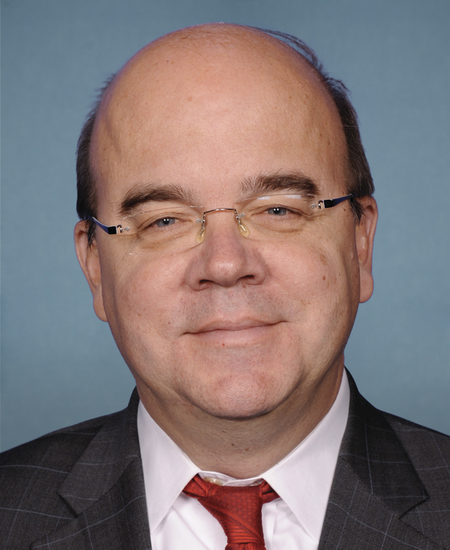
Rep. James P. McGovern
Sponsored bills
Maddy summaryThe Child Care for Working Families Act establishes a federal entitlement program providing subsidized child care for working families with children under age 6 who are not yet in kindergarten. It creates a sliding fee scale where families at or below 85% of State median income pay no copayment, while higher-income families pay up to 7% of their income based on income thresholds. The bill requires states to develop quality rating systems for child care providers and ensures providers receive sufficient funding to meet quality standards, including wages equivalent to elementary educators. It prioritizes access for underserved populations including children with disabilities, infants and toddlers, children experiencing homelessness, and families in low-income communities. The program is funded with $20 billion for fiscal year 2024 and subsequent years through 2029.
Maddy summaryThe RAP Act of 2023 (HR 2952) would prevent prosecutors and plaintiffs from using a defendant’s creative or artistic works - such as poems, songs, art, or films - as evidence in court, unless specific exceptions apply. It requires the government to prove by clear evidence that the work was meant literally (not figuratively), directly relates to the specific facts of the case, is relevant to disputed facts, and has unique value beyond other evidence. If admitted, courts must redact the work to limit its presentation and provide jury instructions about its restricted use. This bill directly affects defendants in both criminal and civil cases who create artistic expression, aiming to protect their creative works from being misused in legal proceedings.
Maddy summaryHR 2974 establishes the United States Interagency Council on Housing Affordability and Preservation, a new federal body composed of heads from 21 agencies (including HUD, Treasury, and Justice) to coordinate efforts on affordable housing. The Council’s key duties include developing a national strategic plan for affordable housing within 12 months, reviewing federal housing programs, providing regional support to states and localities to access federal resources, and requiring annual agency reports on housing barriers. It mandates $4.8 million annually for operations (2024-2028) and encourages states to create their own housing councils to align with federal goals. The bill directly affects federal agencies, state/local governments, and low-income renters by improving coordination and access to housing programs, without directly changing housing subsidies or tenant protections.
Maddy summaryThe Combating Child Labor Act strengthens penalties for employers violating child labor laws under the Fair Labor Standards Act. It increases criminal fines to $500,000 or up to 10 years in prison for willful violations causing death or serious injury to children under 18, and raises civil penalties for such violations up to $700,000 per incident. The bill also requires the Department of Labor to publish an annual report detailing child labor violations, including employer names, types of violations, and trends by industry or region. This report will help track enforcement efforts and identify high-risk areas, directly affecting employers who violate child labor rules and the Department of Labor’s oversight role.
Performing Artist Tax Parity Act of 2023 This bill modifies the above-the-line tax deduction for the expenses of performing artists (including commissions paid to managers or agents) to provide for a phaseout of such deduction for taxpayers whose adjusted gross income exceeds $100,000 ($200,000 for joint return filers). The $100,000 phaseout threshold is adjusted for inflation annually for taxable years beginning after 2023.
Maddy summaryThis bill prohibits the use of federal funds to develop or deploy autonomous weapons systems that lack meaningful human control for nuclear weapon launches or target selection. It directly affects federal agencies, particularly the Department of Defense, by banning spending on such systems for nuclear purposes. The key provision requires human oversight over target selection and launch decisions, aligning with existing U.S. policy and international law requiring human control in nuclear command. The bill does not ban autonomous systems generally but specifically restricts their use in nuclear contexts where human judgment is mandated.
Maddy summaryThe Right to Read Act of 2023 defines an "effective school library" as one with certified librarians, adequate resources, and support for digital and information literacy. It requires states and school districts to ensure all students, particularly those in under-resourced schools, have access to such libraries through new reporting requirements and funding mechanisms. The bill provides $500 million annually for literacy programs and mandates biennial data collection on school library resources. It also protects staff from liability for following right-to-read policies and requires school libraries to uphold First Amendment rights by providing diverse reading materials without political bias.
Maddy summaryHR 2370, the Access to AEDs Act, authorizes $25 million in federal funding (2024-2028) to help public elementary and secondary schools improve access to automated external defibrillators (AEDs) and CPR training. The bill directs the Secretary of Health and Human Services to award grants to school districts and partners for developing AED programs, training staff and students, purchasing and maintaining AEDs, and creating cardiac emergency response plans. It specifically targets schools to address sudden cardiac arrest (SCA), which is a leading cause of death among student athletes and youth, with 90% of SCA victims dying without immediate CPR and defibrillation. The law requires grantees to report on their activities and establishes a clearinghouse to collect data on school AED access and costs.
Maddy summaryHRES 324 is a non-binding House resolution expressing support for library staff across public, school, academic, and special libraries. It recognizes these workers as essential community resources providing access to information, internet services, and social support - especially for underserved populations - and highlights their expanded roles during crises like the opioid epidemic and pandemic. The resolution calls for adequate funding, protects staff from threats while performing their duties, supports their right to unionize, and upholds the public’s right to free access to library resources. It does not create new laws or funding but formally acknowledges these priorities during National Library Week.