This resolution affirms the importance of free expression and freedom of the press around the world and condemns threats to these freedoms. The resolution calls on the President and the Department of State to (1) urge foreign governments to bring to justice those who threaten or attack journalists, and (2) leverage foreign assistance to help expand access to independent media in countries where authoritarian regimes control the internet.
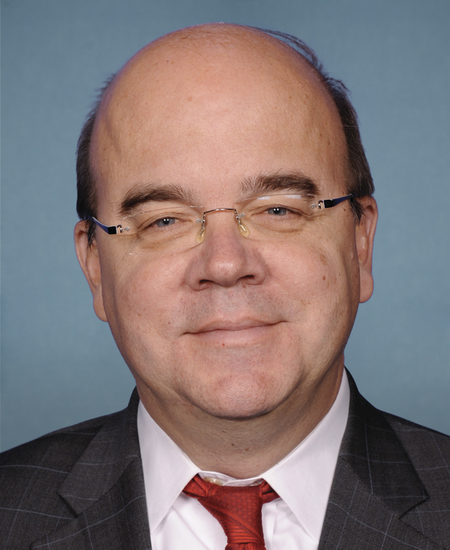
Rep. James P. McGovern
Sponsored bills
Maddy summaryHR 3078, the Sunlight in Workplace Harassment Act, requires publicly traded companies (those filing Form 10-K) to annually disclose detailed data on workplace harassment, discrimination, and sexual abuse settlements and judgments. Companies must report the number and total dollar amounts of these cases, broken down by type (such as sex, race, disability, or sexual orientation) and whether they involved corporate executives, along with average resolution times and open complaints. The disclosure must not reveal victims' names and allows victims to object to sharing certain categories of information. This data will be made publicly available through Form 10-K filings, alongside descriptions of the company’s prevention measures for such incidents.
Maddy summaryThis bill would create a pathway to permanent residency for non-citizens who worked in designated essential sectors during the pandemic. It would allow eligible workers in healthcare, emergency response, sanitation, food services, agriculture, construction, and other critical industries to apply for permanent residence if they've been physically present in the U.S. since January 1, 2023, after meeting background check requirements. The bill includes application fee exemptions for low-income applicants and protections against employer retaliation for workers seeking documents to support their applications. It also includes special provisions for those who have been ordered removed from the U.S. to apply for status under this program.
Maddy summaryHR 3050, the Fair Adjudications for Immigrants Act, changes how immigration authorities define a "conviction" for deportation purposes. It specifically excludes dismissed, expunged, or vacated cases, probation without judgment, and cases under appeal from being counted as convictions. The bill also requires courts to issue a formal recommendation against removal before immigration penalties apply for certain convictions. This directly affects immigrants with past criminal records who have had these specific legal dispositions applied to their cases.
Maddy summary# Summary of EDUCATORS for America Act Provisions This comprehensive legislation makes significant changes to educator preparation, certification, and support systems, with a strong focus on loan forgiveness and retention of educators in high-need settings. ## Key Provisions: 1. **Enhanced Loan Forgiveness Programs**: - Creates new "Educator Loan Forgiveness Programs" under sections 428J and 460 of the Higher Education Act - Provides 100% loan forgiveness for educators who complete 5 years of qualifying service in high-need schools or early childhood education programs - Offers monthly loan forgiveness/cancellation during the service period (in addition to annual forgiveness) 2. **Expanded Eligibility**: - Defines "high need school" as schools where: * Over 30% of students meet poverty measures * School is identified for comprehensive support * School is Bureau of Indian Education funded * School is operated by Tribal educational agencies - Includes Tribal early childhood programs, Native Hawaiian education systems, and Bureau of Indian Education programs as eligible settings - Special rule for educators providing instruction in Native American languages 3. **"Qualifying Educator" Definition**: - Includes elementary/secondary teachers (with full certification) - Includes school leaders (with full certification) - Includes early childhood educators and program directors - Includes educators working in Native American language instruction regardless of certification status 4. **New Support Programs**: - Centers of Excellence for teacher preparation at institutions serving underrepresented populations - Recruitment and completion grants for underrepresented students in education - Resiliency grants for technology integration and educator workforce partnerships - Doctoral fellowships to diversify faculty in high-need education areas 5. **Implementation Details**: - Monthly loan credit program for eligible educators in income-driven repayment plans - Allows counting of partial service years under specific conditions - Prevents double benefits with other service programs - Allows for promotions within qualifying schools without losing eligibility This legislation aims to create a more diverse, stable, and well-prepared educator workforce by reducing financial barriers to entering and remaining in the education profession, particularly in high-need schools and early childhood education settings.

Maddy summaryThe Returning Home Act (HR 2994) establishes a new federal grant program to provide rental assistance and housing support for individuals recently released from incarceration. It directly affects people leaving prisons, jails, juvenile facilities, or halfway houses who are at risk of homelessness or housing insecurity within 365 days of release. The program funds 24 months of rental assistance (60% minimum), housing counseling, case management, landlord incentives, and other supportive services like pre-release planning and mental health referrals. It authorizes $100 million annually for these services and prohibits funding for law enforcement entities.
Maddy summaryThis bill protects living organ donors from insurance discrimination by prohibiting life, disability, and long-term care insurers from denying coverage, raising premiums, or altering policy terms solely because someone donated an organ while alive. It also updates the Family and Medical Leave Act to include recovery from organ donation surgery as a qualifying health condition, allowing donors to take protected leave for this purpose. Additionally, the bill requires the Health and Human Services Secretary to update public educational materials about living donation benefits, risks, and insurance protections within six months of enactment. These changes directly affect living organ donors, insurers, employers, and healthcare systems by ensuring fair access to insurance and workplace leave.
Maddy summaryHR 2904, the Anti-Racism in Public Health Act of 2023, establishes a National Center on Antiracism and Health within the CDC. The center will declare racism a public health crisis, conduct research on how structural racism affects health outcomes, and develop data systems to track health disparities across race, ethnicity, gender, and other factors. It will fund regional centers in minority communities, create public health interventions, and require CDC to report annually on antiracist efforts. This bill directly affects public health agencies, researchers, and communities of color by mandating systemic analysis of racial inequities in healthcare and public health policy.
Maddy summaryThe PSLF Payment Completion Fairness Act (HR 2949) amends the Higher Education Act to clarify eligibility for the Public Service Loan Forgiveness (PSLF) program. It revises Section 455(m)(1)(B) by removing the phrase "is employed" and related text, replacing it with "has been" to focus solely on payment completion. This change ensures borrowers qualify for loan forgiveness once they've made 120 qualifying payments, regardless of current employment status. The bill directly affects federal student loan borrowers working in public service jobs who are seeking loan forgiveness under the PSLF program.
Maddy summaryThis bill requires the Pentagon to obtain a clean audit of its finances. If the Department of Defense fails to get an unqualified audit (a "clean" opinion) for a department or agency, it triggers automatic spending cuts: 0.5% in the first year of failure and 1.0% in subsequent years. These cuts apply broadly across programs but exclude military personnel, National Guard, reserve forces, and the Defense Health Program. The President may temporarily waive cuts for national security reasons, but must justify the waiver to Congress. The goal is to link defense spending to financial accountability, using existing audit standards.