

Maddy summaryThe ARTICLE ONE Act would significantly increase congressional oversight of national emergencies by requiring the President to specify which laws they plan to use during an emergency and giving Congress 30 days to approve the declaration before emergency powers can be exercised. The bill would mandate detailed reports from the President about the emergency's circumstances, estimated duration, and planned actions, with additional reports every six months during the emergency. If Congress doesn't approve an emergency declaration within 30 days, the President cannot extend it or use the emergency powers for the same situation. This would limit national emergencies to 30 days unless renewed through congressional approval, fundamentally changing how presidential emergency powers operate.
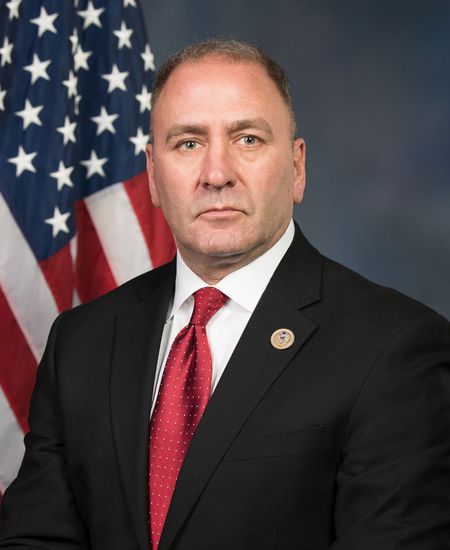
Rep. Clay Higgins
Sponsored bills
Maddy summaryThis bill (HR 1753) ensures 310+ female service members who served in specialized cultural support teams (2010-2021, identified by skill codes R2J/5DK) receive proper military records and veterans benefits. It requires the military to include this service in personnel records and count it as combat service for disability claims. Veterans denied benefits for injuries from this service can now file supplemental claims within three years of enactment, with claims treated as if filed on their original claim date. The bill also mandates VA outreach to inform affected veterans and families about this new process.
Maddy summaryHR 10487, the Armory Project Expansion Act of 2024, creates a three-year pilot program allowing veterans with PTSD-related depression or suicidal thoughts to temporarily store firearms with licensed dealers through the Department of Veterans Affairs. The program, limited to up to five states, requires the VA to use existing research from its Armory Project pilot and includes liability protection for participating dealers. Veterans must voluntarily elect to participate, and the VA must submit a final report to Congress after the pilot ends, including recommendations based on results. This bill directly affects veterans experiencing specific mental health challenges, focusing on temporary firearm storage as a safety measure.
Maddy summaryThis bill establishes federal governance requirements for artificial intelligence systems used by government agencies. It requires agencies to create detailed AI governance charters for high-risk systems, including information about development, training data, and how the system is used. Agencies must provide plain language notifications to individuals affected by AI-driven decisions and maintain public inventories of AI systems through a Federal AI System Inventory. The bill creates a new oversight role within the Office of Management and Budget and mandates regular evaluations of agency AI governance practices. These requirements apply to all federal agencies and their contractors using AI systems that make decisions affecting individuals.
Maddy summaryHR 5401, the 9/11 Memorial and Museum Act, provides a one-time federal grant of $5 million to $10 million to the National September 11 Memorial & Museum (operated by the World Trade Center Foundation). The grant funds the museum's operations, security, and maintenance, with specific requirements including free admission for veterans, first responders, and victims' families, dedicated weekly free public hours, and annual financial audits. The museum must also report annually to Congress on how the funds were used. This bill directly affects the museum's financial operations and access policies, not broader legislative changes.
Maddy summaryThe FOCA Act of 2023 requires federal agencies to stop mandating or banning contractor agreements with labor organizations (like union contracts) in construction project bids and contracts. It directly affects federal contractors, subcontractors, and agencies managing construction projects funded by the government. The bill prohibits favoring or penalizing contractors based on their labor affiliation status, aiming to promote fair competition and reduce costs. It also mandates updates to federal contracting rules within 60 days of enactment to implement these changes.
Maddy summaryThe American Workforce Act creates a federal program providing paid training opportunities for U.S. citizens with high school diplomas but no bachelor's degrees. Employers in high-wage, high-demand industries receive workforce education subsidies (up to $9,000 per trainee) to cover training costs while trainees receive structured on-the-job work and educational training at a minimum wage. The program requires employers to provide transparent disclosure documents about training details, maintain minimum wage standards, and submit to oversight by a new American Workforce Division within the Department of Commerce. The program includes accountability measures such as whistleblower protections, penalties for noncompliance, and will expire after 10 years or following a comprehensive report to Congress.
Maddy summaryThis bill restricts health savings accounts (HSAs), Archer MSAs, health flexible spending accounts, health reimbursement arrangements, and retiree health accounts from covering most abortion expenses. It prohibits these accounts from reimbursing costs for abortions unless the pregnancy resulted from rape or incest, or the woman faces a life-endangering physical condition (as certified by a physician). The policy change directly affects individuals using these specific health accounts who seek abortion coverage, excluding all other abortion-related expenses from tax-advantaged reimbursement. The exceptions are narrowly defined to cover only cases involving rape/incest or severe health risks to the woman.
Maddy summaryThis bill modifies Social Security Number (SSN) requirements for claiming the Child Tax Credit and Earned Income Tax Credit. It specifies that qualifying SSNs must be issued to U.S. citizens (or under specific Social Security Act provisions) and issued before the tax return due date. The changes apply to tax years beginning after December 31, 2024, and update related tax code references to use "social security number" instead of "taxpayer identification number." These are technical adjustments to eligibility criteria, not new benefits or funding.
Maddy summaryHR 7528, the Comment Integrity and Management Act of 2024, requires federal agencies to verify whether public comments on proposed rules are submitted by humans and to identify mass comments (large volumes of identical or similar submissions). Agencies must label mass comments publicly, post only a representative sample of them instead of all identical comments, and display the total number of similar submissions. The bill directs the Office of Management and Budget to issue guidance within 240 days on identifying computer-generated comments (including AI-generated ones) and managing them, with agencies updating their systems within 18 months. This applies to all public comments submitted under 5 U.S.C. §553(c), affecting agencies like the EPA or FDA that handle regulatory rulemaking.