

Maddy summaryHR 703, the Main Street Tax Certainty Act, makes a key tax deduction permanent for small business owners. It removes the temporary sunset provision (subsection (i)) from Section 199A of the tax code, ensuring the qualified business income deduction remains available for eligible small businesses. This change directly affects pass-through business owners (like S-corps, partnerships, and sole proprietorships) who currently qualify for this deduction. The permanent change takes effect for tax years starting after December 31, 2025.
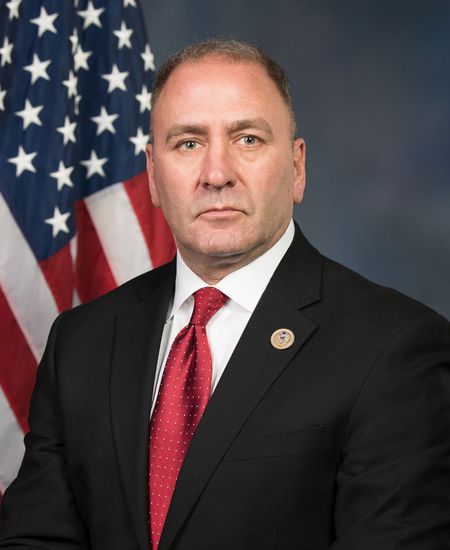
Rep. Clay Higgins
Sponsored bills
Maddy summaryHR 650, the Families’ Rights and Responsibilities Act, protects parents’ fundamental right to direct their child’s education, moral or religious upbringing, and health care decisions. It prohibits government (including agencies and officials) from substantially interfering with these parental choices without proving a "compelling governmental interest" using strict scrutiny. The bill applies to all federal laws and programs, allowing parents to challenge government actions in court and seek remedies if their rights are violated. It specifically exempts cases involving serious child safety risks but aims to prevent government overreach in parenting decisions based on disagreement with parental choices. This bill directly affects parents of children under 18 and sets a legal standard for how government can interact with family decisions.
Maddy summaryHR 648, the Strengthening our Servicemembers with Milk Act, requires the Secretary of Defense to provide a variety of milk options - including unflavored, organic, lactose-free, and different fat levels - to all members of the Armed Forces at military dining facilities. The bill mandates that installations offer these choices to support servicemember nutrition and dietary needs. It also prohibits purchasing milk from entities owned or controlled by foreign adversaries, as defined by Commerce Department regulations. This policy directly affects military personnel dining at on-base facilities nationwide.
Maddy summaryHR 632 prohibits federal funding (directly or indirectly) for colleges and universities that host or are affiliated with campus health clinics providing abortion drugs or abortions to students or employees. Institutions must annually certify to federal education and health agencies that no such services are offered at their campus sites. The bill defines "abortion drugs" broadly as any medication intended to terminate pregnancy (excluding cases for live birth, miscarriage management, or ectopic pregnancy treatment). This policy directly affects institutions receiving federal funds, requiring them to ensure campus health services comply with the prohibition to maintain eligibility.
Maddy summaryHR 7 prohibits federal funds from being used for abortions or health insurance plans covering abortion, with exceptions for pregnancies resulting from rape, incest, or when a woman's life is endangered. It blocks federal premium tax credits under the Affordable Care Act for health plans covering abortion (except in specified cases) and requires clear disclosure of abortion coverage and related surcharges in plan materials. The bill allows individuals or employers to purchase separate abortion coverage using non-federal funds, such as out-of-pocket payments, without affecting federal subsidies. It directly affects federal health programs, ACA marketplace plans, and health insurance issuers offering coverage that includes abortion services.
Maddy summaryHR 578, "Sarah’s Law," requires mandatory detention for certain non-citizens (aliens) charged with crimes resulting in death or serious bodily injury. It directly affects non-citizens facing such charges and their victims' families. Key provisions mandate that the Department of Homeland Security detain these individuals immediately and notify victims or their closest living relatives (like parents or spouses) about the alien’s identity, immigration status, custody details, and removal efforts. The bill adds specific categories of non-citizens to the mandatory detention list, including those whose visas were revoked or who are deportable for prior immigration violations. This creates a formal process for victim notification while expanding detention requirements under immigration law.
Maddy summaryHR 563 requires the Bureau of Alcohol, Tobacco, Firearms and Explosives (ATF) to destroy all firearm transaction records from discontinued businesses within 90 days of the law's enactment. It also amends a federal law to prevent future registration of such transactions by removing language that required these records to be delivered to the Attorney General. The bill mandates that the ATF submit a report to Congress detailing how many records were destroyed. This legislation directly affects ATF record-keeping procedures, not individual gun owners or firearm ownership rights.
Maddy summaryHRES 49 prohibits all House Members, Delegates, and Resident Commissioners from displaying or bringing foreign flags on the House floor during sessions. Exceptions allow lapel pins with foreign flags and flags shown as part of speeches or debates under House rules. The Sergeant-at-Arms enforces this rule, which applies to all visible foreign flags regardless of size, except for the specified exceptions. This is a procedural rule change affecting conduct on the House floor, not a policy on foreign relations.
Maddy summaryHR 473, the SHOW UP Act of 2025, requires federal executive agencies to return to pre-pandemic telework policies within 30 days of enactment, limiting work-from-home options to those in place on December 31, 2019. Agencies must then conduct a 6-month study analyzing pandemic-era telework impacts - including effects on mission performance, costs from underused office space, and employee productivity tools - and submit a plan to Congress if they seek to expand telework beyond these baseline levels. The plan requires certification from the Office of Personnel Management confirming it will improve mission performance, reduce real estate costs, lower locality pay expenses, and ensure secure remote work capabilities without increasing agency costs. This bill directly affects all federal executive agencies (excluding the Government Accountability Office) and their employees by restricting telework flexibility and imposing strict requirements for any future expansion.
Maddy summaryThis bill codifies qualified immunity standards for law enforcement officers under federal law. It specifies that individual officers cannot be held liable in civil suits if they demonstrate either that the constitutional right at issue was not clearly established at the time of the incident, or that a prior court ruling already confirmed the conduct was lawful. Local government agencies also cannot be held liable if the officer is found not liable under these standards and was acting within their job duties. The law applies to all federal, state, tribal, and local officers with arrest powers, including police officers. The changes would take effect 180 days after enactment.