

Maddy summaryThis bill extends workplace safety protections under the Occupational Safety and Health Act to people working in correctional facilities, including those in prison labor programs, work release, and maintenance roles. It requires states and federal prisons to annually report on safety conditions, injuries, and compliance with safety standards, beginning two years after enactment. The bill also creates $20 million annually in federal grants to help states update their safety laws and enforcement for incarcerated workers. These provisions directly affect incarcerated individuals performing labor in state or federal correctional facilities and the agencies operating them.
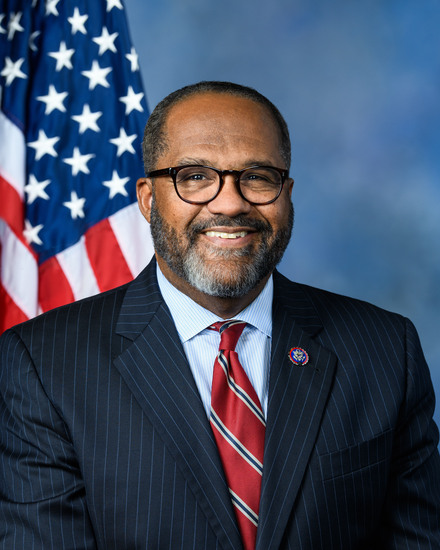
Rep. Troy A. Carter
Sponsored bills
Maddy summaryThe HELPER Act of 2023 creates a new FHA mortgage insurance program specifically for first responders and K-12 teachers. It allows eligible first-time homebuyers in these professions to secure mortgages with 100% financing (no down payment required) for purchasing or repairing a primary residence. To qualify, applicants must be employed as law enforcement, firefighters, paramedics, or K-12 teachers, have completed housing counseling, and meet specific employment history requirements (e.g., 4 years in the role or disability-related release). The program authorizes $660,000 for fiscal year 2024 and $160,000 annually through 2030, with authority expiring after 5 years.
This resolution recognizes and offers condolences to all who lost their lives, suffered injuries, and suffered losses during the 1992 Los Angeles riots. It also recognizes the continued need for police oversight, accountability, and reform since the beating of Rodney King.
Maddy summaryHRES 362 is a symbolic House resolution recognizing elementary and secondary school teachers' contributions to U.S. civic, cultural, and economic well-being. It specifically thanks teachers and encourages students, parents, school leaders, and officials to acknowledge National Teacher Appreciation Week (May 8-12, 2023). The resolution has no binding effect or policy changes - it solely promotes public appreciation for the teaching profession through a formal expression of gratitude. It directly affects teachers by affirming their societal value but does not alter laws, funding, or educational standards.
Maddy summaryThis resolution designates April 30, 2023, as "National Adult Hepatitis B Vaccination Awareness Day" to raise public attention about hepatitis B vaccination for adults. It highlights that only 30% of U.S. adults are vaccinated despite the vaccine's 95% effectiveness and hepatitis B's serious health risks, including liver cancer. The resolution encourages testing, vaccination, and care linkage for adults but does not create new laws or funding. It serves as a symbolic congressional statement to support existing public health efforts, focusing on awareness rather than policy changes.
Maddy summaryHR 3106, the Preventing Deepfakes of Intimate Images Act, creates a legal right for individuals whose realistic digital manipulations of intimate images (such as uncovered genitals, bodily fluids, or sexually explicit conduct) are disclosed without consent. It allows victims to sue for civil damages, including up to $150,000 in liquidated damages, actual harm, or punitive penalties, and seek court orders to stop further disclosure. The bill specifically protects identifiable individuals (not just public figures) and covers images created or altered using digital manipulation, excluding cases involving law enforcement, public interest, or good-faith disclosures. Criminal penalties up to 10 years may apply for malicious disclosure with intent to harass or cause harm. This directly affects anyone whose intimate images are deepfaked without permission, providing new legal recourse against perpetrators.
Maddy summaryHR 3073 creates a federal grant program to fund community-based mental wellness and resilience initiatives. It provides planning grants (up to $250,000) for organizations to form community networks and assess needs, followed by program grants (up to $500,000 annually for 4 years) to implement evidence-based programs. The bill requires grantees to use a public health approach, collect community input, and develop strategic plans addressing protective factors and risk factors for mental wellness. At least 20% of funds must support rural communities, and programs must involve diverse community groups like schools, faith organizations, health professionals, and local government. The bill authorizes $36 million over 2024-2028 to support these community-led efforts.
Maddy summaryThis bill removes a restriction that previously barred people in jail or prison while awaiting trial from receiving Medicaid health benefits. It directly affects individuals in custody pending legal proceedings by allowing states to provide Medicaid coverage for their medical care during this time. The bill also allocates $50 million in planning grants to help states develop systems to enroll these individuals, recruit healthcare providers who can serve them, and establish electronic billing for services provided in correctional facilities or through outpatient care. Key provisions require states to assess healthcare needs, eliminate policy barriers, and create plans to increase provider participation in Medicaid for this population.
Maddy summaryHR 3008, the Drug Shortage Prevention Act of 2023, requires manufacturers of critical essential medicines (like life-saving or emergency drugs) to notify the FDA earlier about potential supply disruptions. Specifically, manufacturers must report permanent production stops, interruptions, or unexpected demand spikes (not seasonal) at least six months in advance for production issues, or within 48 hours for sustained demand increases. The notification must include reasons, ingredient sources, alternative suppliers, and expected duration. The FDA will then share this information with healthcare providers and patient groups to help manage shortages. This law applies to drugs critical for life-sustaining care, excluding certain radio pharmaceuticals.
Maddy summaryThe SAFE Banking Act of 2023 would protect banks and financial institutions that provide services to state-legal marijuana businesses and hemp-related businesses by preventing federal regulators from taking adverse actions against them solely for serving these businesses. It clarifies that income from state-legal marijuana businesses can be considered for mortgage applications, and requires regulators to update guidance on suspicious activity reports related to these businesses. The bill does not require financial institutions to serve these businesses, but ensures they won't face penalties for doing so. It extends similar protections to hemp-related businesses, which have faced banking challenges despite being federally legal under the 2018 Farm Bill.