

Maddy summaryThe FIGHT Act (HR 2742) amends the Animal Welfare Act to specifically target animal fighting events, such as cockfighting, by defining "rooster" as any male chicken over six months old and banning the live broadcasting (simulcasting) of such events. It prohibits using the postal service or interstate transport to move roosters for animal fighting purposes and adds civil enforcement tools allowing citizens to sue violators after a 60-day notice period. Fines up to $5,000 per violation may be imposed, and property used in animal fighting ventures can be seized. These changes strengthen enforcement against animal fighting by expanding legal remedies for the public and authorities.
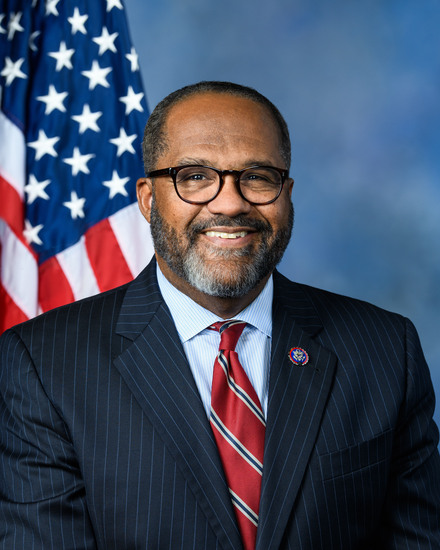
Rep. Troy A. Carter
Sponsored bills
Maddy summaryHRES 381 is a non-binding House resolution supporting National Fentanyl Awareness Day in 2023. It aims to increase public awareness about the dangers of counterfeit fentanyl pills - fake pills that mimic prescription medications and are linked to over 70,000 overdose deaths in 2021, including 80% of deaths among youth aged 14-23. The resolution encourages existing law enforcement efforts to combat counterfeit pills and acknowledges that only 48% of youth are aware fentanyl is used in these fake pills. It does not create new laws or programs but formally recognizes the need for greater awareness, particularly for young people vulnerable to these deadly substances.
Maddy summaryHRES 365 is a non-binding House resolution supporting efforts to reduce childhood sunburns and skin cancer risk. It encourages schools and childcare facilities to allow students to carry and use sunscreen without physician authorization (addressing current restrictions where sunscreen is treated as a prescription drug), and promotes policies for easy access to sunscreen and sun-protective clothing. The resolution also urges healthcare providers to educate parents and children about sun-safe practices during routine check-ups. It directly affects schools, camps, and childcare programs by advocating for practical changes to improve sun protection for minors.
Maddy summaryHR 3255, the Freight Rail Workforce Health and Safety Act, requires major freight railroads (Class I carriers) to provide employees with at least 7 days of paid sick leave annually. This includes leave for personal illness, family care, preventive medical visits, and situations related to domestic violence, sexual assault, or stalking. Employees can carry over unused days to the next year, and railroads cannot require workers to find replacements before taking leave or penalize them for using it. The law prohibits retaliation, such as termination or demotion, for requesting or using sick leave, and ensures paid sick leave is separate from existing vacation or holiday time.
Targeting Resources for Equitable Access to Treatment for Long COVID Act or the TREAT Long COVID Act This bill requires the Department of Health and Human Services to award competitive grants to create or expand the capacity of clinics that treat patients with persistent, long-term symptoms following recovery from acute COVID-19 (i.e., Long COVID) and associated conditions. Eligible recipients include federally qualified health centers, rural health clinics, urban Indian health centers, and state and local health departments.
Maddy summaryHR 3182, the CLEAR Act, creates a federal program to fund research and demonstration projects aimed at reducing greenhouse gas emissions at petroleum refineries and drop-in fuel production facilities. The bill requires the Secretary of Energy to submit a report within 180 days of enactment outlining technologies for emissions reduction - including carbon capture, electrification, and process improvements - and establish a program to advance these technologies through commercial-scale demonstrations. It authorizes $200 million annually for fiscal years 2024 and beyond to support demonstration projects at qualified facilities, mandating cost sharing and requiring technologies to have completed pilot-scale testing before funding. The program directly affects refineries and drop-in fuel manufacturers by providing funding for emissions-reduction technology development, without altering existing Clean Air Act standards.
Maddy summaryThe Sickle Cell Care Expansion Act of 2023 (HR 3100) authorizes federal funding to expand access to sickle cell disease care and research. It creates scholarship and loan repayment programs ($150 million annually) for medical students and physicians specializing in sickle cell disease, requiring them to work in treatment or research for one year per scholarship year. The bill also funds community-based education grants ($50 million annually) for organizations to improve health literacy and access to services, and transition-of-care programs ($70 million annually) to support patients moving from pediatric to adult care, including mental health services and specialist training. These provisions directly affect sickle cell patients, healthcare providers, and community organizations serving affected populations.
Maddy summaryThe PAST Act of 2023 amends the Horse Protection Act to ban specific devices used to cause pain (soring) in horses at shows, particularly affecting Tennessee Walking Horses, Racking Horses, and Spotted Saddle Horses. It defines prohibited "action devices" (like boots or chains causing friction) and requires licensed, conflict-free inspectors at events to enforce rules. The bill increases penalties for violations to up to $5,000 fines or 3 years in jail, and mandates longer disqualifications for repeat offenses (180 days → 1 year → 3 years). Horse show organizers, exhibitors, and participants must comply with these new inspection and penalty requirements.
This bill requires the Department of Veterans Affairs to annually report to Congress on the Warrior Training Advancement Course (WARTAC) of the Veterans Benefits Administration. The report must include specified elements, including information regarding the Transition Assistance Program practices of WARTAC and the hiring of members of the Armed Forces who complete WARTAC.
This resolution reaffirms the central role of local frontline health workforces in achieving global health objectives. The resolution also urges greater global attention and support for local frontline health workers.