

Maddy summaryThe SHIP Act imposes sanctions on foreign entities that knowingly handle Iranian petroleum, targeting those involved in port operations, transportation, refining, or ship-to-ship transfers of Iranian oil. Starting 90 days after enactment, the President must block assets, deny visas, and impose penalties on individuals or companies engaging in these activities, including family members or owners of sanctioned entities. It requires annual reports tracking Iran's oil exports, revenues, and key players like shipping companies and ports. The sanctions terminate if the President certifies Iran has stopped supporting terrorism and dismantled weapons programs.
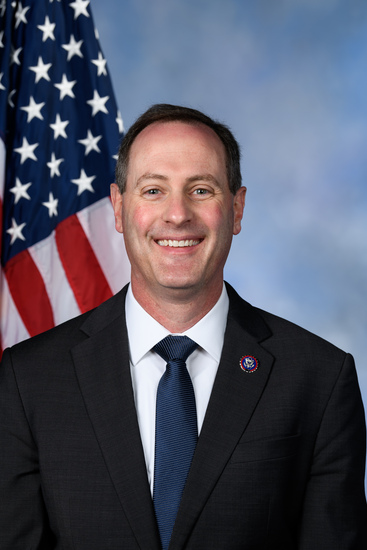
Rep. Tracey Mann
Sponsored bills
Maddy summaryThis bill prohibits federal funding for Planned Parenthood Federation of America and its affiliates, clinics, or related entities. It directs that funds previously allocated to Planned Parenthood must instead support other providers - including community health centers, hospitals, and clinics - that offer women’s health services like contraception, cancer screenings, and prenatal care. The bill explicitly states it does not reduce overall federal funding for women’s health care or affect existing abortion-related funding restrictions in appropriations laws. It ensures continued access to these services through alternative providers, particularly in underserved communities.
Maddy summaryHR 3266, the Peace and Tolerance in Palestinian Education Act, requires the U.S. Secretary of State to report annually on curriculum content in Palestinian Authority (PA) schools and UNRWA schools in the West Bank and Gaza. The bill mandates reports assessing whether textbooks contain content encouraging violence or intolerance toward other nations or ethnic groups, steps the PA is taking to align with UN tolerance standards, and how U.S. aid funds are used to address such content. It specifically directs the State Department to review materials like textbooks, maps, and math problems referencing conflicts, as documented in a 2018 GAO report. The reports must be submitted publicly and include details on U.S. diplomatic efforts to promote peace in Palestinian education. This is a procedural bill focused on monitoring curriculum content, not altering education policy directly.
Maddy summaryHCONRES 74 is a non-binding congressional resolution expressing support for the Geneva Consensus Declaration, a 2020 agreement signed by 36 countries affirming that no international right to abortion exists, protecting life at all stages, and prioritizing the family as society's foundation. It urges the U.S. to rejoin this declaration, which the Biden administration temporarily withdrew from, while noting existing U.S. laws already prohibit federal funding for abortions or coercive family planning abroad. The resolution does not create new laws but calls on the President to restore U.S. participation and directs oversight to ensure U.S. foreign aid aligns with current abortion funding restrictions. It directly addresses U.S. foreign policy engagement with international health initiatives but does not affect domestic laws or policies.
This resolution condemns Hamas' October 7, 2023, attacks against Israel and expresses sympathy and solidarity with the families of those held hostage or killed in those attacks. The resolution also adjourns the House of Representatives in honor of those killed and unaccounted for.
Maddy summaryHRES 771 is a non-binding resolution expressing the U.S. House of Representatives' support for Israel following Hamas' October 7, 2023, attack. It condemns Hamas' actions, affirms Israel's right to self-defense, and calls for the immediate release of hostages. The resolution also urges enforcement of existing laws restricting aid to terrorists and sanctions against Iran for supporting Hamas. It does not create new policies or allocate funds, as it is a symbolic statement of congressional support.
Maddy summaryHRES 768 is a symbolic House Resolution expressing congressional support for Israel following Hamas' October 7, 2023 attacks. It condemns Hamas' actions, reaffirms Israel's right to self-defense, and calls for the immediate release of hostages. The resolution references the U.S. commitment to Israel's security through existing military aid programs, including the 2016 U.S.-Israel Memorandum of Understanding, and emphasizes enforcement of laws like the Taylor Force Act to prevent U.S. aid from reaching terrorist groups. As a symbolic resolution, it does not create new policy but serves as a statement of congressional support for Israel.
Maddy summaryThis bill authorizes a one-time $40,000 payment to former Air America employees who served at least five years during 1950-1976, or to their survivors (widows/widowers, dependents, or children). Additional $8,000 payments are provided for each full year of service beyond five years. The total funding is capped at $60 million, with claims due within two years of regulations being finalized. It does not create ongoing benefits or change Air America’s legal status, and payments are issued as a single lump sum.
Maddy summaryHR 5960, the Opportunity to Compete Act, limits how employers use educational requirements in hiring. It requires employers using computerized hiring systems to disclose the median experience needed for a job (including military service or community college) and to accept equivalent work experience instead of a bachelor's degree. Employers seeking a waiver to require a bachelor's degree must prove the skill can't be gained without it and disclose this requirement to applicants, with the Labor Secretary processing waiver requests within 14 days. Small businesses with fewer than 500 employees are exempt from these rules. The law aims to expand hiring opportunities by reducing unnecessary degree barriers.
Maddy summaryHR 5504 requires the U.S. Fish and Wildlife Service (USFWS) and National Oceanic and Atmospheric Administration (NOAA) Fisheries to withdraw three specific proposed rules related to the Endangered Species Act. These proposed rules would have revised procedures for interagency cooperation, listing species as endangered/threatened, and designating critical habitat. The bill prohibits the agencies from finalizing, implementing, or enforcing these withdrawn rules. This is a procedural measure affecting only the specific proposed rules listed, not creating new conservation policies.