

Maddy summaryThis bill makes permanent Medicare coverage for cardiac and pulmonary rehabilitation services delivered via telehealth in patients' homes, which were temporarily allowed during the pandemic. It removes geographic restrictions that previously required in-person visits or limited services to specific locations like clinics. The change directly affects Medicare beneficiaries needing heart or lung rehabilitation and healthcare providers offering these programs. It ensures home-based telehealth visits for cardiac, intensive cardiac, and pulmonary rehabilitation receive the same coverage as in-clinic services under Medicare.
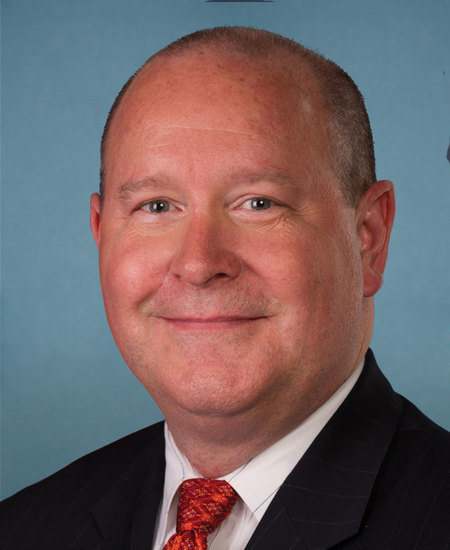
Rep. Larry Bucshon
Sponsored bills
Maddy summaryThis bill repeals specific provisions from the Affordable Care Act and its 2010 amendment that restricted certain physician referrals to hospitals under Medicare. It directly affects hospitals and physicians who previously faced limitations on referring Medicare patients to facilities they owned or had financial ties with. The key mechanism restores the original rules that allowed such referrals without the prior restrictions, effectively undoing the 2010 changes. This is a procedural change to existing law, not a new policy.
Maddy summaryHR 497, the Freedom for Health Care Workers Act, eliminates a federal requirement for healthcare workers in Medicare and Medicaid programs to be vaccinated against COVID-19. The bill directly affects healthcare providers who treat patients under these federally funded programs by preventing the enforcement of the November 2021 HHS rule mandating staff vaccinations. Its key provision prohibits the Department of Health and Human Services from implementing, enforcing, or creating a similar rule regarding vaccination for these workers. This bill changes the policy by removing a specific vaccine mandate for providers in Medicare and Medicaid programs.
Maddy summaryHR 319, the Legal Workforce Act, establishes a new government-run system for verifying employment eligibility in the United States. The bill requires employers to verify the identity and work authorization of new hires using specific documents (such as passports, driver's licenses, or employment authorization cards) through a new verification system, with implementation timelines varying by employer size (6-24 months after enactment). It replaces the previous E-Verify system, includes special provisions for agricultural workers with 30-month implementation timelines, and establishes penalties for non-compliance ranging from $2,500 to $25,000 per violation. The law also creates new procedures for reverifying employees with limited work authorization and includes provisions to prevent identity fraud in the verification process.
Maddy summaryThis bill bans federal funding for abortions in most cases, prohibiting the use of taxpayer money for abortion services or health insurance plans covering abortion. Exceptions allow funding for abortions resulting from rape, incest, or when a pregnancy endangers a woman's life. It requires health insurance plans sold through the Affordable Care Act (ACA) marketplaces to clearly disclose any separate costs for abortion coverage and prohibits ACA subsidies from being used for plans that cover abortion (except in the specified exceptions). The law directly affects federal programs like Medicaid, ACA marketplace plans, and insurers offering health coverage to individuals using federal subsidies.
Maddy summaryThis bill provides tax relief for individuals affected by specific disasters by excluding certain compensation payments from taxable income. It covers wildfire relief payments for losses incurred in federally declared wildfires after 2014 (including expenses like repairs, lost wages, and emotional distress), and payments related to the February 2023 East Palestine, Ohio, train derailment (covering property damage, closing costs, and inconvenience). Payments already covered by insurance or other sources are excluded from this tax benefit. The relief applies to payments received during 2020-2025 for wildfires and from February 2023 onward for the East Palestine incident, with extended deadlines for related tax claims.
Maddy summaryThis bill establishes a commission to study whether the Weitzman National Museum of American Jewish History in Philadelphia should be transferred to the Smithsonian Institution. The commission, composed of 8 members appointed by congressional leaders with expertise in Jewish American history and museum administration, will examine the museum's collections, financial status, governance, and feasibility of transfer within two years. The commission must submit a report detailing findings, a fundraising plan, and legislative recommendations for any potential transfer. The bill does not transfer the museum but creates a process to evaluate the possibility.
Maddy summaryHR 7438 directs the U.S. Treasury to mint commemorative coins for the 2026 FIFA World Cup, including 100,000 $5 gold coins, 500,000 $1 silver coins, and 750,000 half-dollar coins. The coins will be sold to the public at face value plus surcharges ($35, $10, and $5 per coin, respectively), with all surcharge revenue paid to FWC2026 US, Inc. for U.S. soccer programs. These funds must support soccer initiatives, particularly in underserved communities and youth development, as specified in the bill. The coins are legal tender but will only be issued during 2026, with no net cost to the U.S. government.
Maddy summaryThis bill extends funding for the existing Public Health Service Act program focused on raising public awareness about Alzheimer's disease and related dementias. It authorizes $33 million annually for fiscal years 2025 through 2029 to support public health education and outreach initiatives. The program directly affects public health organizations and community groups that develop and distribute educational materials about Alzheimer's prevention, diagnosis, and care. The key provision is the multi-year funding extension, ensuring continued support for nationwide awareness efforts without altering the program's core structure.
Maddy summaryThis bill allows livestock producers and their employees to take black vultures (Coragyps atratus) that are harming or threatening livestock, bypassing the usual protections under the Migratory Bird Treaty Act. It directly affects ranchers and farm workers in areas where black vultures cause livestock deaths or injuries. The key provision requires annual reporting to the U.S. Fish and Wildlife Service about any vultures taken, using a simplified form similar to existing reporting for permitted bird take. This creates a specific, limited exception to federal bird protections for livestock protection, with no new restrictions on vulture populations.