

Maddy summaryThe Ensuring Access to General Surgery Act of 2023 directs the Health Resources and Services Administration (HRSA) to study how to accurately identify areas in the U.S. with insufficient access to general surgeons, particularly in rural and underserved communities. The study will evaluate current methods for designating health professional shortage areas and propose a new approach using hospital service areas, surgeon-to-population ratios, and factors like wait times and transportation access. HRSA must report findings to Congress within one year and may later establish a formal process to designate "general surgery shortage areas" through rulemaking. If implemented, this would publicly list affected areas to better target resources addressing surgical care gaps.
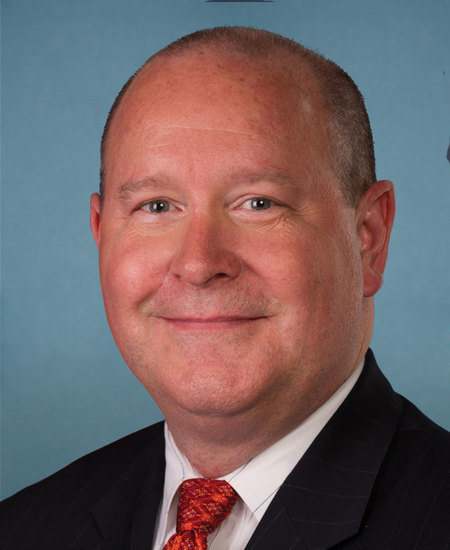
Rep. Larry Bucshon
Sponsored bills
Maddy summaryThis bill amends the Affordable Care Act to allow individuals to enroll in standalone dental plans through health insurance Exchanges without needing to also have a separate health insurance plan. It directly affects consumers seeking dental coverage who may not qualify for or prefer not to enroll in a comprehensive health plan. The key provision removes a federal restriction that previously prevented enrollment in these dental plans solely based on lack of separate health insurance. This change makes it easier for people to access dental insurance options through the same marketplaces used for health coverage.
Maddy summaryThe RISE Act (HR 2401) requires colleges to accept multiple types of documentation - such as past Individualized Education Programs (IEPs), Section 504 plans, or licensed professional evaluations - to verify a student’s disability for accommodations, rather than requiring current evaluations. It also mandates institutions to publicly share clear, accessible processes for determining accommodation eligibility and to report specific disability-related enrollment data (like total students with disabilities and accommodations used) to federal databases. The bill authorizes $10 million for a national support center to assist postsecondary students with disabilities. It applies directly to institutions of higher education and students formally registered with disability services offices, without altering existing ADA definitions or rights.
Maddy summaryThe ALIGN Act (HR 2406) permanently allows businesses to deduct the full cost of qualified equipment and machinery in the year of purchase, rather than spreading the deduction over multiple years. This applies to property placed in service after September 27, 2017, directly affecting businesses that make capital investments in eligible assets like manufacturing equipment or commercial facilities. The bill eliminates the previous requirement to depreciate these costs over time, reducing taxable income in the purchase year. It makes a temporary 2017 tax provision permanent, impacting businesses across various industries that purchase qualifying property.
Maddy summaryThis bill requires the Veterans Affairs Secretary to expand or modify an existing national cemetery (under National Cemetery Administration control) before Arlington National Cemetery reaches capacity, ensuring it provides full military honors using the same standards and eligibility criteria that applied to Arlington as of March 31, 2023. It directly affects veterans and their families seeking burial with full military honors at national cemeteries nationwide. The bill also mandates a joint report within one year to Congress on expanding cemetery capacity and assessing whether interment criteria should recognize exceptional service, including impacts on women, non-combat veterans, and other groups. The key mechanism is preserving current military honors standards at alternative cemeteries to prevent Arlington's capacity limits from disrupting existing burial practices.
Maddy summaryHR 1818, the Aviation Workforce Development Act, expands tax-advantaged savings plans (529 plans) to cover costs for specific aviation training programs. It allows funds from these plans to pay for tuition, fees, and required materials at FAA-certified aviation maintenance technician schools (Part 147) or commercial pilot training programs (Part 61 or 141). This directly affects students pursuing careers as aircraft maintenance technicians or commercial pilots by making these training costs more affordable through existing tax-advantaged savings. The bill amends the tax code to include these programs under "qualified higher education expenses" for 529 plan distributions.
Maddy summaryHR 1831 would award Billie Jean King a Congressional Gold Medal to honor her lifelong advocacy for equal rights in sports and society. The bill directs the Secretary of the Treasury to strike the medal and have it presented by congressional leaders, recognizing her pivotal role in advancing women's equality through tennis (including founding the Women’s Tennis Association and securing equal prize money) and her broader impact on society through initiatives like Title IX advocacy.
Maddy summaryHR 5, the Parents Bill of Rights Act, would require public schools receiving federal funding to provide parents with greater access to educational information. The bill mandates that schools post curricula online or widely distribute it to parents, include school budgets in report cards, and provide specific information about school activities including violent incidents and plans to eliminate gifted programs. It also guarantees parents the right to meet with teachers twice a year, review library materials, and address school boards. These requirements would apply to all local educational agencies and schools covered by the Elementary and Secondary Education Act. The bill amends existing education laws to strengthen parental transparency and involvement in their children's education.
Historic Tax Credit Growth and Opportunity Act of 2023 This bill increases the rehabilitation tax credit and modifies certain requirements for the credit. The bill increases the rate of the credit for qualified rehabilitation expenditures in taxable years beginning after December 31, 2020, and before January 1, 2028, after which the rate reverts to 20%. The bill increases the rate of the credit to 30% for certain small projects whose qualified rehabilitation expenditures do not exceed $2.5 million. The bill also expands the types of buildings eligible for rehabilitation by decreasing the rehabilitation threshold from 100% to 50% of project expenses. It also eliminates the basis adjustment requirement for the credit and modifies rules relating to tax-exempt use property eligible for the credit.
Maddy summaryHR 1777 establishes a $50 million annual fund (2024-2028) for collaborative defense research between the U.S. and Israel in emerging technologies like artificial intelligence, cybersecurity, directed energy, and automation. The bill directly supports U.S. and Israeli military forces by enabling joint development of new warfare capabilities to address current and future defense challenges. Key provisions include authorizing $50 million per year for collaborative projects, building on existing U.S.-Israel defense partnerships like counter-tunnel and counter-drone systems. This funding aims to strengthen bilateral defense innovation without altering existing military aid structures.