

This bill allows state Medicaid programs to cover certified community behavioral health services, including crisis services, outpatient mental health and substance use services, peer support, and screenings.
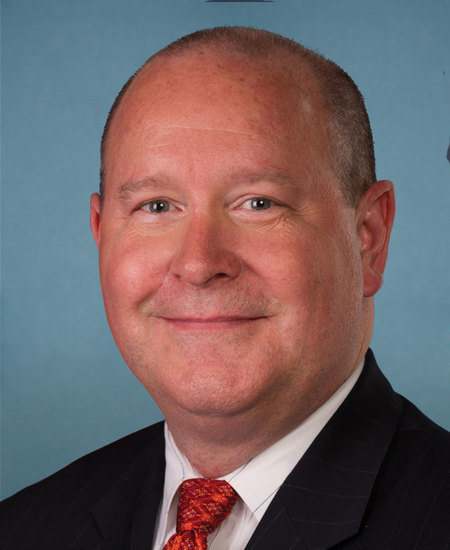
Rep. Larry Bucshon
Sponsored bills
Maddy summaryThe Uyghur Policy Act of 2023 establishes a U.S. Special Coordinator for Uyghur Issues within the State Department to coordinate policy and advocate for the protection of Uyghur cultural, religious, and linguistic identity in Xinjiang. It authorizes $250,000 annually for Uyghur human rights advocates to speak at public diplomacy events in Muslim-majority countries and mandates Uyghur language training for U.S. diplomats. The bill also directs the U.S. government to support United Nations monitoring of Xinjiang human rights issues and oppose efforts to block discussions of Xinjiang at the UN. These provisions focus on diplomatic advocacy and information-sharing, not direct sanctions or enforcement actions against China.
Maddy summaryHR 7450, the Protecting Privacy in Purchases Act, prohibits payment card networks and covered entities (like payment processors) from requiring or assigning merchant category codes that specifically identify firearms retailers as different from general stores or sporting goods retailers. This directly affects firearms retailers and payment networks by preventing them from using business classification codes that could flag firearm sales. The bill establishes an enforcement process where the Attorney General investigates complaints, issues remediation notices, and can seek court injunctions for non-compliance, while preempting state or local laws on this issue. It does not create private lawsuits for individuals.
Maddy summaryHRES 966 is a symbolic resolution condemning alleged sexual violence committed by Hamas during its October 7, 2023, attack on Israel. It specifically references eyewitness accounts, forensic evidence, and Hamas fighters' admissions of ordering gang rape, sexual mutilation, and assault against Israeli civilians. The resolution calls for international condemnation of such acts as weapons of war, urges nations to criminalize sexual violence, and supports investigations into Hamas' actions. As a non-binding resolution, it does not create new laws or directly affect any individuals but formally expresses the House's position on the issue.
Maddy summaryThis bill appropriates over $15 billion in supplemental funding for U.S. security assistance to Israel following attacks in Israel. It includes specific allocations such as $5.2 billion for Israel's Iron Dome, David's Sling, and Iron Beam defense systems, as well as funds for military personnel, operations, and equipment across all branches of the military. The bill requires the Secretary of Defense and Secretary of State to submit regular reports to Congress detailing security assistance provided to Israel and designates all funding as "emergency requirements" under federal law. This funding directly supports U.S. security assistance programs with Israel to respond to regional security threats.
Maddy summaryHJRES 107 is a congressional resolution seeking to block a Federal Communications Commission (FCC) rule published on January 22, 2024 (89 Fed. Reg. 4128). The resolution aims to disapprove the FCC's rule implementing digital discrimination protections under the Infrastructure Investment and Jobs Act, which would have required internet providers to prevent discriminatory practices. If passed, this resolution would nullify the FCC rule, preventing it from taking effect under the Congressional Review Act (Chapter 8 of Title 5, U.S. Code). The bill directly affects the FCC's regulatory authority over digital discrimination enforcement in broadband services.
Maddy summaryHRES 979 is a non-binding resolution urging the FDA to streamline approval of less harmful tobacco alternatives (like e-cigarettes or heated tobacco products) for adult smokers who continue using tobacco. It calls on public health agencies, including the CDC, to educate consumers about harm reduction and promote science-based approaches to tobacco control. The resolution also directs U.S. agencies to encourage the World Health Organization to recognize harm reduction as a key strategy in global tobacco control efforts. It does not create new laws but seeks to shift policy toward prioritizing safer alternatives over solely focusing on smoking cessation. The resolution directly affects FDA regulatory processes, public health messaging, and international tobacco control policy coordination.
Maddy summaryThis bill clarifies and preserves the existing exemption under the Fair Labor Standards Act for home care workers providing companionship services to seniors and people with disabilities. It explicitly states that services like personal care (bathing, grooming, meal prep) and household tasks related to their care remain exempt from minimum wage and overtime rules, including when workers are hired through third-party agencies (e.g., home care companies). The bill does not create new benefits or change access to care - it maintains the current legal framework governing these workers’ labor status. It directly affects home care workers, agencies employing them, and households using these services, by confirming their exemption status under federal law.
Maddy summaryThe MAPS Act requires the U.S. Department of Health and Human Services (HHS) to create and maintain a list of essential medicines critical for responding to public health emergencies or preventing shortages that threaten healthcare systems. It mandates HHS to map the entire U.S. supply chain for these listed drugs - including tracking production locations, volumes, and regulatory actions - using data analytics to identify vulnerabilities. The law establishes a confidential database for this purpose, with HHS required to submit annual reports to Congress on progress and supply chain gaps. This directly affects pharmaceutical manufacturers, healthcare providers, and patients by improving federal visibility into drug supply chains to prevent shortages during crises.
Maddy summaryThe Death Tax Repeal Act would eliminate the federal estate tax and generation-skipping transfer tax for estates of people who die on or after the bill's enactment date, and for generation-skipping transfers made after that date. It would also establish a new $10 million lifetime gift tax exemption (adjusted annually for inflation) and replace the existing gift tax rate schedule with a revised structure. These changes would primarily affect high-net-worth individuals and their heirs, as the estate tax and gift tax typically apply to large estates or gifts exceeding the new exemption threshold. The bill's provisions would take effect on the date of enactment, with transitional rules for the year the bill is signed into law.