

Maddy summaryHR 6039, the CLASS Act of 2023, prevents colleges and universities from requiring students to agree to arbitration clauses or other restrictions that limit their ability to sue the institution in court. The bill amends the Higher Education Act to prohibit institutions from enforcing any agreement that restricts students' access to courts - such as limiting venue, jury trials, or choice of law - when pursuing claims related to their enrollment. It directly affects students who sign enrollment contracts with higher education institutions and ensures they can seek legal remedies without forced arbitration. The law removes federal arbitration law (Title 9, Chapter 1) from these student-institution agreements.
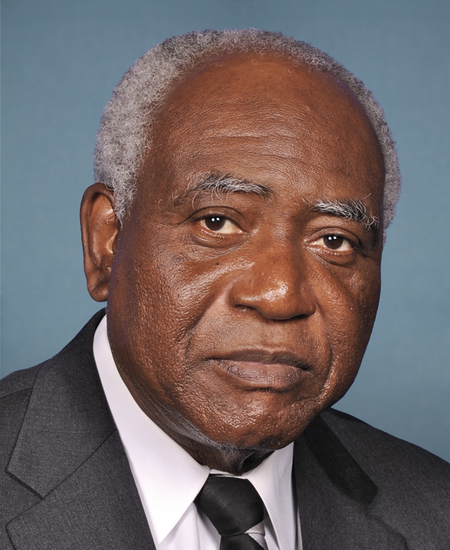
Rep. Danny K. Davis
Sponsored bills
Maddy summaryThe Safe Schools Improvement Act (HR 6031) requires public elementary and secondary schools to implement comprehensive anti-bullying policies that specifically prohibit harassment based on protected characteristics like race, gender identity, disability, religion, and sexual orientation. It mandates schools to collect and publicly report annual data on bullying incidents while establishing clear grievance procedures for students and parents. The bill also requires states to submit biennial reports on school compliance and supports evidence-based interventions, such as restorative practices, to reduce exclusionary discipline. This legislation directly affects all public K-12 schools and students in the U.S., aiming to create safer learning environments through standardized policy requirements and data transparency.
Maddy summaryThe Medical Debt Relief Act of 2023 would prevent credit bureaus from reporting medical debt on credit reports and stop creditors from using medical debt information when making credit decisions. It defines medical debt as any debt related to medical services, products, or devices, and requires the removal of existing medical debt entries from credit reports. Within one year of enactment, the Consumer Financial Protection Bureau must update regulations to prohibit creditors from considering medical debt in loan or credit applications. This directly affects consumers with medical debt (who may see improved credit scores) and creditors (who must adjust their credit evaluation practices).
Supporting Early-childhood Educators' Deductions Act of 2023 or the SEED Act of 2023 This bill expands the tax deduction for the expenses of elementary and secondary school teachers to include early childhood educators.
Maddy summaryThis bill, HR 5920 (Student Loan Marriage Penalty Elimination Act of 2023), changes how married couples can deduct student loan interest on their federal taxes. It amends the tax code to allow each spouse to claim a separate $2,500 deduction limit for student loan interest, instead of a single combined limit for the couple. This directly affects married couples filing jointly who pay student loan interest and qualify for the deduction. The change applies to tax years beginning after December 31, 2022, and ensures the deduction aligns with the tax treatment for individual filers.
Maddy summaryThis bill authorizes the presentation of a Congressional Gold Medal to the United Negro College Fund (UNCF) and its member Historically Black Colleges and Universities (HBCUs) to recognize the UNCF's 80-year service. It directs the U.S. Treasury to strike the medal and sell bronze duplicates to cover costs, with proceeds going to the U.S. Mint. The medal commemorates the UNCF's role in supporting HBCUs and African-American students through scholarships and fundraising, as detailed in the bill's findings. The measure is purely ceremonial and does not create new policy or funding.
Maddy summaryThis bill requires federal agencies to adjust contract prices to reimburse contractors for paying employees during government funding lapses (e.g., shutdowns). It covers costs for furloughed, laid-off, or reduced-hour workers, or for restoring paid leave used during the lapse, with a weekly cap of $1,442 per employee. Directly affecting federal contractors and their employees who experienced work disruptions due to funding gaps, it mandates agencies to make these adjustments promptly after enactment. Contractors must provide proof of costs, and the Office of Federal Procurement Policy must report on implementation to Congress within a year.
Maddy summaryThe Oleksander Ivanov Act of 2023 establishes U.S. sanctions authority targeting individuals and entities responsible for Russia’s forced displacement and illegal adoption of Ukrainian children. It authorizes the President to block property and deny visas to foreign persons involved in forcibly transferring Ukrainian children to Russia, illegally assimilating them, or facilitating trafficking. The bill also directs the U.S. to support Ukraine through programs for trauma care, rebuilding education systems, creating a multilingual registry for missing children, and establishing emergency call centers to combat trafficking. These measures aim to address documented violations of international law, including Russia’s detention of over 6,000 Ukrainian children in occupied territories, with sanctions set to expire after six years.
Maddy summaryHR 5784 would provide federal grants to public schools (including Bureau of Indian Education schools) to make them more environmentally sustainable and equitable. It prioritizes schools in the most vulnerable communities (based on CDC Social Vulnerability Index) for full funding to become "healthy zero-carbon schools" through energy-efficient retrofits and new construction, while offering reduced funding for less vulnerable schools. The grants require community engagement in planning, mandate hiring from local communities with specific diversity goals, fund social services and mental health support, and include strict energy efficiency standards for all projects. The bill also includes funding for educational equity planning and climate resiliency programs to help schools serve as community centers during disasters.
Maddy summaryHRES 733 is a non-binding resolution expressing concern about the rising number of book bans in U.S. schools and libraries. It cites data showing nearly 3,400 book removals affecting 1,557 titles from July 2022-June 2023, with disproportionate targeting of books featuring LGBTQ+ themes (36%) and racial justice content (37%). The resolution urges school districts to follow established best practices for handling book challenges and reaffirms the importance of protecting students' access to diverse materials. It does not create new laws but calls for local governments to support free expression as protected by the First Amendment.