

Maddy summaryThis bill establishes federal worker heat protection standards to prevent heat-related illness and injury. It requires employers to provide a workplace free from heat stress hazards, including access to cool water, scheduled rest breaks, shaded cooling areas, and training on heat illness symptoms. The Secretary of Labor must create these standards within one year, incorporating evidence-based practices like engineering controls (e.g., ventilation), administrative measures (e.g., adjusted schedules), and employer-paid personal protective equipment. The law directly affects all employers in high-heat work environments - such as construction, agriculture, and manufacturing - and strengthens whistleblower protections for workers reporting safety violations.
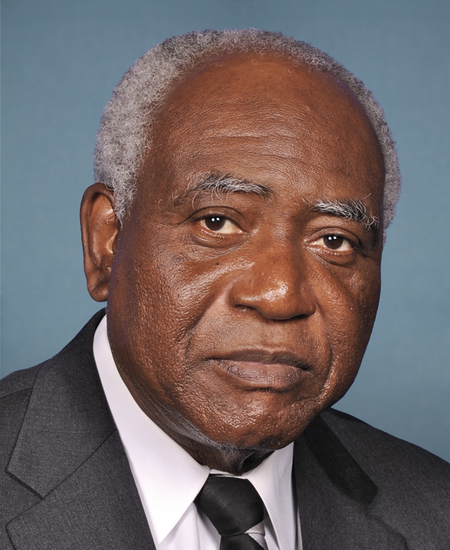
Rep. Danny K. Davis
Sponsored bills
Maddy summaryThe Child Care for Working Families Act creates a federal program to provide affordable, high-quality child care for working families with children under age 6. It would provide direct child care assistance through certificates or grants to parents, with no copayment required for families at or below 85% of state median income. The program requires states to implement quality standards for child care providers, including a tiered quality system and minimum wage requirements for staff (at least a living wage equivalent to elementary educators). The bill appropriates $20 billion for the program over five years, with additional funding for quality improvement initiatives and universal preschool services.
Maddy summaryThis bill directs the Department of Health and Human Services to significantly increase federal research funding for uterine fibroids ($30 million annually from 2026-2030), expand coordination of NIH research, and establish a Medicaid data system to track treatment access and costs. It mandates public education on fibroid symptoms, prevalence (especially among Black women, who face higher risk and severity), and non-hysterectomy treatment options. The bill also requires disseminating evidence-based provider resources on managing fibroids while preserving fertility. These provisions directly affect the estimated 26 million U.S. women with fibroids - particularly women of color - and aim to address the current lack of research and treatment data.
Maddy summaryHRES 578 is a non-binding House resolution honoring the victims of the 1967 Newark riots, which resulted in 26 deaths and widespread community harm due to systemic racism and police brutality. It acknowledges the riots' lasting impact on Newark's Black residents and the broader national conversation on racial justice. The resolution commits the House to supporting existing initiatives addressing racial disparities, equitable policing, and community-driven solutions - without creating new laws or funding. As a commemorative measure, it focuses on historical recognition rather than policy changes.
Maddy summaryHCONRES 42 is a symbolic congressional resolution recognizing the persistent wage gap between Black women and White, non-Hispanic men in the U.S. It highlights that Black women earn 66 cents for every dollar earned by White, non-Hispanic men working full-time year-round, with the gap taking over 200 years to close at current rates. The resolution emphasizes how this disparity - rooted in both racial and gender discrimination - impacts Black women’s ability to afford essentials like education, childcare, and housing. It does not create new laws or policies but formally acknowledges the issue on Black Women’s Equal Pay Day (July 10, 2025) and reaffirms support for equal pay.
Maddy summaryHRES 569 is a non-binding House resolution affirming that diversity, equity, inclusion, and accessibility (DEIA) are fundamental U.S. values and emphasizing the need to address ongoing discrimination in workplaces, schools, government programs, the military, and society. It does not create new laws but calls on federal, state, local governments, educational institutions, and businesses to adopt DEIA initiatives to remove barriers faced by marginalized groups, including Black, Latino, AANHPI, Indigenous, women, LGBTQI+, and disabled individuals. The resolution cites data showing persistent discrimination - such as wage gaps, housing segregation, health care disparities, and underrepresentation in leadership - to underscore how systemic inequities cost the economy trillions and limit opportunity. It encourages organizations to foster inclusive environments where all people can achieve their potential, without prescribing specific policy changes.
Maddy summaryHRES 575 is a symbolic resolution designating July 10th as "Journeyman Lineworkers Recognition Day." It honors lineworkers who face significant risks daily - working at heights near live wires and responding to disasters like hurricanes and wildfires. The resolution specifically references Henry Miller, an early leader of the International Brotherhood of Electrical Workers, who died on July 10, 1896, while troubleshooting an outage. It encourages the public to recognize these workers' contributions but does not create new laws or allocate funding.
Maddy summaryHR 4351 amends the Family and Medical Leave Act (FMLA) to shorten the employment duration required for spouses of active-duty military members to qualify for leave. It reduces the qualifying time from 12 months to 90 calendar days with the employer. This change directly affects spouses of service members on covered active duty, making it easier for them to access FMLA leave for their partner’s military service. The bill achieves this by revising the FMLA’s definition of "eligible employee" to include this new 90-day requirement for military spouses.
Maddy summaryThis bill requires online contact lens sellers to provide a secure electronic method for customers to transmit their contact lens prescriptions, directly affecting online retailers. It mandates that such electronic transmissions comply with HIPAA privacy rules and that any protected health information sent via email must be encrypted. The law updates existing rules to modernize prescription verification for online sales while maintaining privacy protections.
Maddy summaryThe Expanding Access to Mental Health Services in Schools Act of 2025 creates a federal grant program to help high-need schools hire and retain mental health professionals like counselors, psychologists, and social workers. It targets schools in the top 15% of need (based on student poverty or counts) that lack required staff ratios, such as one counselor per 250 students. Grants fund recruitment incentives (e.g., student loan repayment), retention programs, and evidence-based mental health services, with recipients required to contribute 25% of costs from non-federal funds. Schools must report annually on staff numbers, student-to-staff ratios, and retention rates to track progress toward improved mental health access.