

Maddy summaryThis bill requires the Secretary of Defense to restore access to all curricula, books, and learning materials previously available at Department of Defense Education Activity (DODEA) schools by 30 days after enactment, and prohibits new restrictions until the 2026-2027 school year. It adds new procedural requirements for future directives affecting DODEA schools, mandating advisory committee reviews and congressional notice before changes to curricula or materials. The bill also nullifies specific executive orders (including those restricting "radical indoctrination" or "gender ideology") that impacted DODEA schools and directs a study on creating an independent body to oversee DODEA curricula. It directly affects military-connected students and schools operated by the Department of Defense Education Activity.
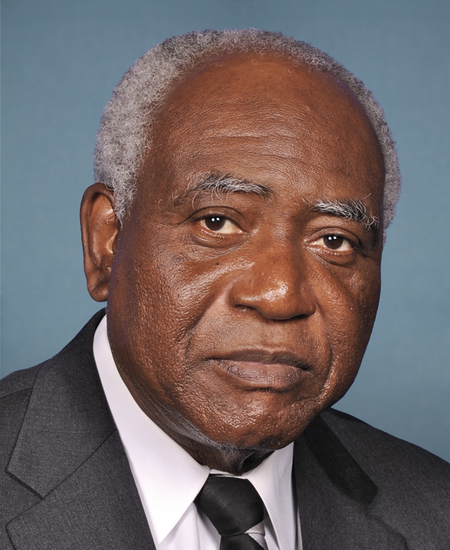
Rep. Danny K. Davis
Sponsored bills
Maddy summaryThe POJA Act of 2025 amends the Age Discrimination in Employment Act to explicitly prohibit age discrimination against job applicants, not just current employees. It directly affects job seekers aged 40 and older who face bias during hiring. The bill requires the Equal Employment Opportunity Commission to conduct a study within one year of enactment, counting age discrimination claims filed since 2015 (including closed cases), and issue a public report with prevention recommendations for employers. This study aims to address gaps in protecting applicants during the hiring process.
Maddy summaryThe Algorithmic Accountability Act of 2025 requires companies that deploy complex AI systems making significant decisions (such as those affecting education, employment, healthcare, or financial services) to conduct impact assessments and submit annual reports to the Federal Trade Commission. It applies to companies with over $50 million in annual revenue or those handling information about more than 1 million consumers. Companies must assess potential negative impacts on consumers, including bias, privacy risks, and fairness concerns, and document their findings. The FTC will maintain a public repository of anonymized information from these reports to inform consumers and researchers about how AI systems are being used.
Maddy summaryThis bill requires most health insurance plans, Medicare Part D, Medicaid, and CHIP to cover vaccines recommended by the CDC's Advisory Committee on Immunization Practices (ACIP) without cost-sharing (like copays or deductibles). It applies to vaccines recommended as of October 25, 2024, including updates through 2029, and covers all such vaccines for the period starting when the bill is enacted until December 31, 2029. The requirement excludes vaccines given within minimum recommended intervals. It directly affects patients, insurers, and government health programs by ensuring no out-of-pocket costs for covered vaccines during this timeframe.
Maddy summaryThe Tyler Clementi Higher Education Anti-Harassment Act of 2025 requires U.S. colleges and universities participating in federal financial aid programs to create and distribute clear anti-harassment policies covering harassment based on race, color, national origin, sex (including sexual orientation and gender identity), disability, or religion. These policies must explicitly prohibit harassment in all settings - including online, on campus, off-campus housing, and during school-sponsored activities - and outline reporting procedures and support services for victims. The bill also establishes a $50 million annual grant program to fund schools developing prevention programs, victim support services, or staff/student training on recognizing and addressing harassment. Grants are competitive, require annual reporting on effectiveness, and must be used to improve existing efforts without replacing existing civil rights laws like Title IX.
Maddy summaryHJRES 123 is a congressional disapproval resolution targeting a specific rule by the Centers for Medicare & Medicaid Services (CMS). It seeks to nullify CMS's June 2025 rule titled "Patient Protection and Affordable Care Act; Marketplace Integrity and Affordability," which was published in the Federal Register (90 Fed. Reg. 27074). If passed, the resolution would block this rule from taking effect under procedures outlined in Title 5, U.S. Code. The bill directly affects the CMS regulation governing the Affordable Care Act's health insurance marketplace, not the broader law itself.
Maddy summaryHJRES 122 proposes a constitutional amendment that would grant Congress and states explicit authority to regulate campaign contributions and spending intended to influence elections. It would allow for reasonable, viewpoint-neutral limits on how much money candidates and others can raise or spend, as well as enable public financing systems to reduce private wealth's influence in campaigns. The amendment would permit distinguishing between individuals and corporations in campaign finance rules, potentially banning corporate spending to influence elections. It explicitly states this amendment would not affect the freedom of the press.
Maddy summaryThe Billionaires Income Tax Act (HR 5427) would require high-net-worth individuals with annual income over $100 million or assets over $1 billion to pay taxes annually on investment gains rather than deferring taxes until assets are sold. It eliminates the "buy, borrow, die" tax strategy by implementing annual mark-to-market taxation of investment assets and closing loopholes that allow tax-free transfers of appreciated assets to heirs. The bill applies to individuals meeting specific income or asset thresholds, as well as applicable trusts and entities with significant ownership interests, with provisions taking effect for taxable years beginning after December 31, 2025.
Maddy summaryThis bill requires the 988 Suicide Prevention Lifeline to establish a dedicated "Press 3" option (via IVR) for LGBTQ+ youth seeking crisis support, directly affecting LGBTQ+ youth who face a four times higher suicide risk than peers. It mandates that at least 9% of funds allocated for the lifeline's services be reserved specifically for these specialized LGBTQ+ youth services. The bill amends existing law to formalize this dedicated resource, building on current services that handled over 1.5 million contacts from LGBTQ+ youth in 2025. This creates a concrete policy change for accessing tailored crisis support without altering other lifeline operations.
Maddy summaryHR 5372, the DEMO Act, creates federal grants to fund 3-year demonstration projects helping low-income individuals (under 138% of the federal poverty level) with arrest or conviction records enter health professions careers. The bill requires participating states to have policies allowing health credentials despite records and mandates projects to provide legal assistance, job training, and post-employment support. Grants require applicants to demonstrate partnerships with organizations experienced in supporting people with criminal records and to target high-demand, well-paying health jobs. The legislation appropriates $10 million for fiscal year 2026 and mandates evaluations to measure outcomes like credential attainment and job placement.