

Maddy summaryHR 434, the Service Restoration Act, protects military service members and academy cadets/midshipmen who refused a COVID-19 vaccine and were involuntarily separated. It prohibits using federal funds to mandate the vaccine, bans adverse actions (like separation or demotion) for refusal, and requires the military to reinstate affected individuals to their previous rank and grade with back pay. The bill also mandates that any separation for vaccine refusal be retroactively reclassified as an "honorable discharge" and removes all related records from service files. This applies specifically to those separated solely for vaccine refusal between 2021 and the bill's enactment.
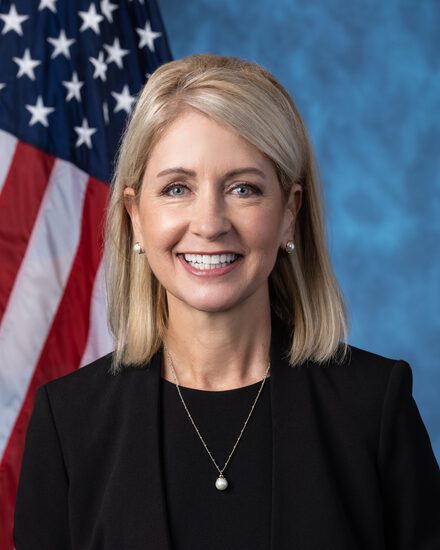
Rep. Mary E. Miller
Sponsored bills
Life at Conception Act This bill declares that the right to life guaranteed by the Constitution is vested in each human being at all stages of life, including the moment of fertilization, cloning, or other moment at which an individual comes into being. Nothing in this bill shall be construed to authorize the prosecution of any woman for the death of her unborn child.
Teleabortion Prevention Act of 2023 This bill restricts the use of telehealth for chemical abortions (also known as medication abortions). Specifically, it requires a provider who dispenses or prescribes medication for a chemical abortion to physically examine the patient, be physically present at the location of the chemical abortion, and schedule a follow-up visit for the patient. The bill provides an exception for a chemical abortion that is necessary to save the life of a mother whose life is endangered by a physical disorder, illness, injury, or condition. The bill establishes criminal penalties—a fine, a prison term of up to two years, or both—for a provider who does not comply with the requirements. A patient who undergoes a chemical abortion may not be prosecuted.
Standardizing Thresholds Of Penalties for Fentanyl Act or the STOP Fentanyl Act This bill reduces the drug quantity thresholds that trigger a mandatory minimum prison term for a defendant who manufactures, distributes, imports, exports, or possesses with intent to distribute fentanyl. The bill also creates enhanced criminal penalties for certain violations involving fentanyl that was imported along the U.S.-Mexico border. Specifically, the bill reduces from 400 to 5 grams the fentanyl quantity and from 100 to 0.05 grams the fentanyl analogue quantity that trigger a mandatory minimum prison term for high-level first-time or repeat offenders. It also reduces from 40 to 0.5 grams the fentanyl quantity and from 10 to 0.005 grams the fentanyl analogue quantity that trigger a mandatory minimum prison term for low-level first-time or repeat offenders. Additionally, the bill creates enhanced mandatory minimum prison terms for importing or exporting fentanyl that was imported along the U.S.-Mexico border.
Maddy summaryHR 330, the Title X Abortion Provider Prohibition Act, prohibits federal funding under the Title X family planning program for clinics that perform or fund abortions, except in cases of rape, incest, or when a physician certifies a life-threatening condition. It requires clinics receiving Title X funds to certify they do not provide or fund abortions (with the specified exceptions), and hospitals are exempt if they don't fund non-hospital abortion providers. The bill mandates annual reports to Congress listing all funded clinics, the number of abortions performed under exceptions (including rape/incest cases), and the certification dates for each clinic. This directly affects Title X-funded clinics nationwide that provide abortion services or fund such services, altering their eligibility for federal funding. The law aims to restrict federal support for abortion access within the Title X program while maintaining limited exceptions.
Maddy summaryHR 128, the Defund Planned Parenthood Act of 2023, blocks federal funding to Planned Parenthood Federation of America and its affiliates for one year unless they certify they will not perform or fund abortions (except in cases of rape, incest, or life-threatening conditions for the patient). This directly affects Planned Parenthood clinics and their federal funding streams. The bill redirects $235 million to community health centers under the Public Health Service Act to continue providing women’s health services like contraception, cancer screenings, and prenatal care. It requires repayment of funds if Planned Parenthood violates the certification and explicitly states the law won’t reduce overall federal funding for women’s health services.
Maddy summaryHR 380, the Federal Student Loan Integrity Act, restricts the Secretary of Education's authority to extend pandemic-related student loan payment pauses. It prohibits using the HEROES Act to extend moratoriums beyond 30 days or to cancel loan balances for borrowers under federal student loan programs (Title IV of the Higher Education Act). The bill explicitly limits any pause to a maximum 30-day period for payment or interest suspension, and bans any loan forgiveness. This directly affects borrowers currently benefiting from the pandemic-era payment pause and limits the Secretary's ability to modify loan terms during emergencies.
Permanently Repeal the Estate Tax Act of 2023 This bill repeals the federal estate tax, effective for estates of decedents dying after December 31, 2022.
No Taxpayer Funding for the World Health Organization Act This bill prohibits the United States from providing any assessed or voluntary contributions to the World Health Organization.
Securing America's Land from Foreign Interference Act This bill requires the President to take actions as necessary to prohibit members of the Chinese Communist Party (and entities owned, controlled, or influenced by the party) from purchasing real estate located in the United States.