

Terrorist Deportation Act of 2023 This bill establishes that non-U.S. nationals ( aliens under federal law) identified in the terrorist screening database, except for lawful permanent residents, shall be deportable and inadmissible into the United States. The Department of Homeland Security (DHS) may temporarily waive the inadmissibility of such an individual if it is in the national security interests of the United States. DHS shall grant such a waiver only with the unanimous concurrence of the Department of Justice, the Federal Bureau of Investigation, the Office of the Director of National Intelligence, and the Department of State. An individual identified in the terrorist screening database shall be ineligible for various immigration benefits, including asylum, withholding or cancellation of removal, voluntary departure, or adjustment of status. DHS shall determine on an expedited basis whether to remove an individual identified in the terrorist screening database, if the individual has not received a waiver and does not have lawful permanent residence status. The individual shall be entitled to various protections, including the right to be represented by counsel (at no cost to the government) and judicial review.
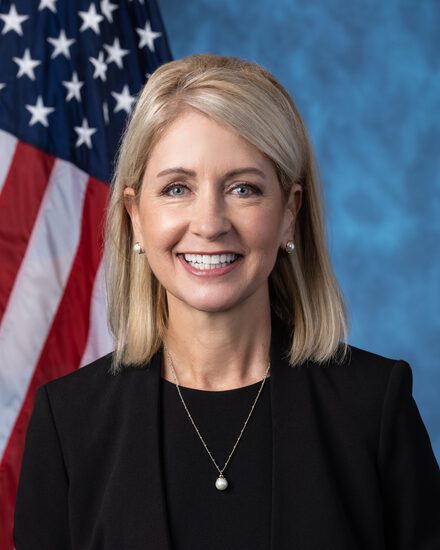
Rep. Mary E. Miller
Sponsored bills
Maddy summaryHR 780, the "Mobilizing Against Sanctuary Cities Act," blocks federal funding for state and local governments that refuse to share immigration information with federal authorities under existing law (8 U.S.C. 1373). It requires the Attorney General to annually identify non-compliant jurisdictions and report them to Congress, with affected areas losing all federal funding for at least one year until compliance is certified. The bill directly impacts local governments that do not cooperate with federal immigration enforcement, such as those with policies limiting information sharing. This policy change creates a direct financial penalty for non-compliance, replacing discretionary federal funding with a mandatory cutoff.
FTO Passport Revocation Act of 2022 This bill authorizes the Department of State to revoke or refuse to issue a passport for an individual who has aided an organization that the State Department has designated as a foreign terrorist organization. The individual may request a hearing with the State Department upon being notified of a revocation or refusal.
Visa Overstay Enforcement Act of 2023 This bill imposes various penalties on non-U.S. nationals ( aliens under federal law) who overstay a visa or lawful immigration status. An individual who overstays shall be fined or imprisoned for up to six months, or both. Such an individual may not be admitted into the United States for 5 years, and may not be granted a visa for 10 years. For subsequent offenses, the individual shall be fined or imprisoned for up to two years, or both, and may not be admitted into the United States or granted a visa. The Department of Homeland Security shall make case-by-case exceptions for individuals who overstay due to medical necessity, public safety, or national security reasons.
Build up Illegal Line Defenses with Assets Lawfully Lifted Act of 2023 This bill directs certain amounts from the Department of Justice (DOJ) Assets Forfeiture Fund to the deployment of additional border security measures. Specifically, DOJ must report annually on the amount of total deposits into the fund that are derived from Mexican cartels. The bill makes available 50% of that amount for the construction of additional physical barriers and roads near the border to deter illegal crossings into the United States. Additionally, the bill prohibits the release of seized currency or contraband that likely belongs to or supports a foreign illegal trafficking organization while a civil forfeiture action is pending.
Prohibition of Agricultural Land for the People's Republic of China Act This bill requires the President to prohibit nonresident aliens, foreign businesses, and agents associated with China's government from (1) purchasing agricultural (including ranching) real estate located in the United States, or (2) participating in Department of Agriculture programs that are unrelated to food and safety regulatory requirements.
This resolution impeaches Secretary of Homeland Security Alejandro Nicholas Mayorkas for high crimes and misdemeanors related to his actions regarding border security and immigration.
Maddy summaryHR 719 would prohibit employers from entering neutrality agreements with unions during organizing campaigns. It specifically bans employers from providing "organizing assistance" (such as funding or space for union activities) as part of such agreements. The bill amends labor law to define "organizing assistance" as a prohibited "thing of value" under Section 302. This directly affects employers and unions involved in unionization efforts by restricting certain forms of employer support for organizing drives.
Maddy summaryThe Union Integrity Act protects union employees who report labor law violations, testify, file complaints, or object to illegal practices from retaliation by their union. It prohibits unions from terminating or discriminating against these employees and requires the Secretary of Labor to investigate complaints within 60 days, ordering remedies like reinstatement, back pay, and compensation if violations are found. Employees can file complaints within 180 days of retaliation, and the law prevents unions from requiring employees to waive these protections through employment agreements or arbitration. This bill directly affects union employees and unions by strengthening whistleblower safeguards in labor relations.
Maddy summaryHR 720, the Davis-Bacon Repeal Act, would eliminate the Davis-Bacon wage requirements for federal construction projects. It directly affects federal contractors working on projects funded by the government, removing a longstanding rule that required them to pay prevailing wages. The bill repeals Subchapter IV of Chapter 31 in Title 40 of the U.S. Code, which established these wage standards. The repeal would take effect 30 days after enactment but would not impact existing contracts or bids outstanding on that date.