

Maddy summaryHCONRES 22 is a symbolic resolution recognizing the persistent gender pay gap in the U.S., documenting that women earn significantly less than men across racial groups (e.g., Black women earn 67 cents for every dollar earned by White men). It highlights the economic impact of this disparity, noting women lose over $958 billion annually in wages and face barriers like occupational segregation and workplace harassment. The resolution does not create new laws or policies but formally acknowledges the issue and reaffirms Congress’s commitment to addressing the gap. It references specific Equal Pay Days (e.g., March 14 for all women) to underscore the time women must work to earn what men did the previous year.
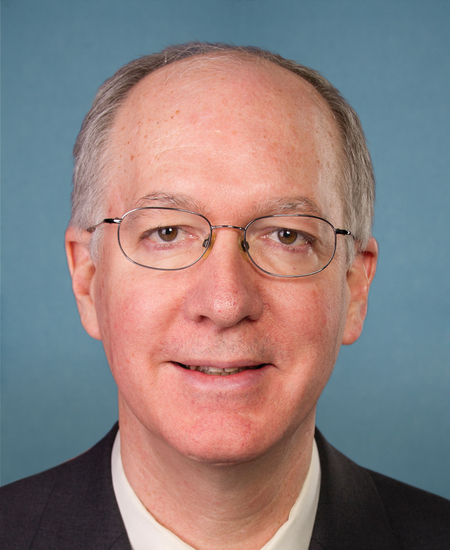
Rep. Bill Foster
Sponsored bills
Maddy summaryHR 1491, the Small Business Energy Loan Enhancement Act, increases the maximum loan amount for energy-related small business loans under the Small Business Investment Act of 1958 from $5.5 million to $10 million. This directly affects small businesses seeking financing for energy efficiency or renewable energy projects by doubling their potential loan access. The bill requires the Small Business Administration to submit annual reports to Congress detailing which industries and geographic areas received these enhanced loans. These changes aim to expand access to capital for qualifying energy projects without altering eligibility criteria.
Maddy summaryThis bill expands the use of 529 college savings accounts to cover career training and credentialing costs. It allows funds to pay for tuition, fees, books, and testing expenses related to recognized postsecondary credential programs (like vocational certifications) that meet specific standards under the Workforce Innovation and Opportunity Act. The change directly affects workers seeking industry-recognized credentials - such as nursing certifications or IT certifications - instead of traditional degrees. It treats these expenses the same as traditional college costs for 529 account withdrawals, making it easier to save for career-focused training. The provision applies to expenses paid after the bill's enactment date.
Maddy summaryThe STEM RESTART Act creates a federal grant program to help mid-career workers, particularly women and people from underrepresented racial groups, return to STEM careers. It provides funding for small and medium-sized businesses to establish "returnship" programs that offer above-entry-level positions with full benefits for 10 weeks or more. The program requires grantees to track participants' demographics and employment outcomes, with $50 million authorized annually from 2024-2028. These returnships must provide compensation equivalent to full-time employees with similar experience, including benefits like health care and child care. The bill targets workers who left the workforce but want to return, especially those from rural areas or underrepresented populations.
Maddy summaryHR 1379, titled the *Access to Small Business Investor Capital Act*, simplifies reporting requirements for investment companies that hold shares in business development companies (BDCs). The bill allows registered investment companies (like mutual funds) to exclude BDC-related fees and expenses from their standard "Acquired Fund Fees and Expenses" calculations in registration statements, instead disclosing these costs in a footnote. This change directly affects investment companies managing portfolios with BDC investments and the BDCs themselves, reducing administrative complexity. The provision modifies existing SEC disclosure rules under the Investment Company Act of 1940 without creating new capital access for small businesses.
Maddy summaryThe Military Spouse Hiring Act expands the Work Opportunity Tax Credit to include military spouses. Employers who hire a spouse of an active-duty military member - certified by a local agency as meeting eligibility requirements on the hiring date - can claim this tax credit. The credit reduces the employer's federal tax liability for hiring such individuals. This provision applies to new hires after the bill's enactment date.
Maddy summaryThe Air Carrier Access Amendments Act of 2023 updates the 1986 Air Carrier Access Act to improve accessibility for travelers with disabilities. It creates a private right of action (allowing individuals to sue for violations), sets new standards for accessible aircraft (including boarding equipment, seating, lavatories, and communication systems), and requires airports to provide accessible facilities and digital services. The bill establishes clearer complaint procedures with the Department of Transportation, including a 120-day investigation timeline and specific civil penalties for violations like delayed assistance or damage to assistive devices. These changes directly affect air carriers, foreign air carriers, and travelers with disabilities who face barriers such as inaccessible aircraft and inadequate assistance. The legislation aims to address ongoing issues including damaged assistive devices, inaccessible aircraft features, and inappropriate treatment of service animals.
Maddy summaryHRES 183 is a symbolic resolution designating the third Friday of March as "National FIRST Robotics Day" to recognize robotics' role in STEM education. It encourages schools and educators to observe the day with activities promoting robotics, math, and science learning, and urges states to fund afterschool robotics programs using existing ESSA funds. The resolution does not create new laws or funding but formally supports this annual observance to inspire youth interest in STEM careers. It directly affects schools and educators who choose to participate in the designated day.
Maddy summaryThis bill establishes pay equity for federal firefighters by adjusting how their retirement benefits are calculated and setting a standard workweek. It requires retirement annuities to include overtime hours worked as part of a firefighter's regular schedule (e.g., overtime during standard shifts), rather than excluding them. The bill also mandates a maximum 60-hour regular workweek for federal firefighters, set by the Office of Personnel Management within one year of enactment. These changes directly affect federal firefighters, aiming to improve pay comparability with municipal firefighters and other federal employees while supporting recruitment and retention.
Maddy summaryThe SECURE Notarization Act of 2023 establishes federal standards for electronic and remote notarizations in interstate commerce, allowing notaries to verify identities and perform notarizations remotely using video communication. Key requirements include creating audio-visual recordings of remote notarizations, verifying identities through two distinct methods (or a credible witness), and retaining recordings for at least 5 years. The bill ensures federal courts and all states must recognize valid notarizations performed under these standards, regardless of whether the notarization was done electronically, remotely, or with a physical signature. It does not require notaries to use electronic methods and preserves state authority to enforce stricter rules, as long as they meet the minimum federal baseline.