

Maddy summaryHR 1826 (PSA Screening for HIM Act) requires health insurance plans and issuers to cover prostate cancer screenings without out-of-pocket costs for men aged 40 and over who are at high risk of prostate cancer. This directly affects African-American men and men with a family history of prostate cancer (defined as having a first-degree relative diagnosed with or who died from prostate cancer). The bill mandates coverage for evidence-based screenings under the same requirements as other preventive services, effective for plan years starting January 1, 2024. It aims to address disparities in prostate cancer outcomes by removing financial barriers to early detection for high-risk groups.
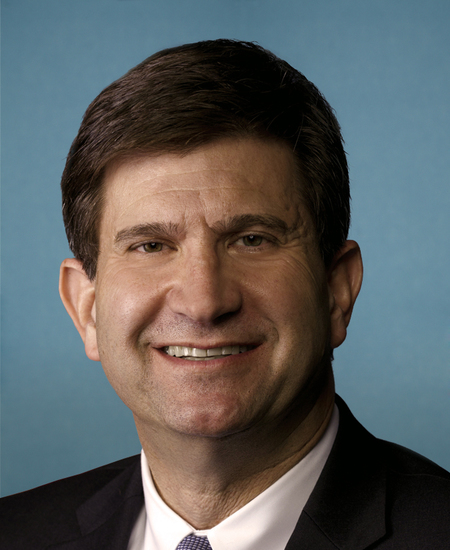
Rep. Bradley Scott Schneider
Sponsored bills
Maddy summaryThe Women's Health Protection Act of 2023 would protect access to abortion services by prohibiting states from imposing restrictions that are more burdensome than those for comparable medical procedures. The bill would ensure people can obtain abortion services before fetal viability without unnecessary limitations like mandatory waiting periods or biased counseling, and after viability when necessary to protect the patient's life or health. It would preempt state laws that conflict with these protections and allow for civil enforcement actions to challenge restrictive state laws. This bill directly affects people seeking abortion services (including transgender and nonbinary individuals who can become pregnant), health care providers, and states that have implemented abortion restrictions.
Maddy summaryHRES 277 is a non-binding resolution passed by the U.S. House of Representatives in April 2023 that urges the United States Postal Service (USPS) to restore mail delivery standards in effect as of July 1, 2012. It specifically calls for ending the 2015 service cuts that eliminated overnight first-class mail delivery and delayed other mail types, which the resolution states harmed businesses, rural communities, and the economy. The resolution cites the Postal Regulatory Commission’s finding that USPS could achieve cost savings without degrading service, emphasizing that returning to 2012 standards would improve delivery reliability without worsening USPS finances. As a resolution, it does not mandate action but expresses the House’s policy preference.
Maddy summaryThis bill extends the deadline for U.S.-Israel cooperation to monitor and disrupt tunnels along the Gaza border. It amends a 2016 law by changing the end date from December 31, 2024, to December 31, 2026. The extension directly affects U.S. and Israeli security agencies working together on tunnel surveillance and prevention. The key mechanism is simply updating the expiration date for this existing program.
Maddy summaryHR 1472, the Plant Biostimulant Act, removes plant biostimulants from regulation under the Federal Insecticide, Fungicide, and Rodenticide Act (FIFRA). This means products like certain microbial treatments or plant-boosting substances (defined as materials improving plant processes without relying on nutrient content) will no longer require EPA approval as pesticides. The bill also directs the EPA to update regulations within 120 days and requires the Secretary of Agriculture to conduct a study on how plant biostimulants improve soil health, including reducing nutrient runoff and supporting carbon sequestration. The study must be reported to Congress within one year of funding.
This concurrent resolution authorizes the use of Emancipation Hall in the Capitol Visitor Center on April 20, 2023, for a ceremony as part of the commemoration of the days of remembrance of victims of the Holocaust.
Maddy summaryHR 2454, the United States-Israel PTSD Collaborative Research Act, establishes a grant program to fund joint research projects between U.S. academic or nonprofit entities and Israeli institutions focused on post-traumatic stress disorder (PTSD). The bill directs the Secretary of Defense, with coordination from the Departments of Veterans Affairs and State, to award grants for collaborative research addressing PTSD treatment gaps, building on existing U.S.-Israel scientific cooperation frameworks. It specifically targets research into improved PTSD diagnosis and treatment methods, rather than providing direct services or benefits. The program requires annual reporting to Congress on research outcomes and terminates seven years after the first grant is issued.
Maddy summaryHR 2394, the Protection from Abusive Passengers Act, creates a federal list of passengers who commit specific aviation security offenses, such as assaulting crew members, threatening flight safety, or tampering with security systems. Individuals added to this list are banned from boarding commercial flights until removed through established procedures. The bill requires the Transportation Security Administration (TSA) to develop clear policies for adding individuals to the list, handling appeals within 5 days for potential errors, and maintaining annual reports on the list's composition. These provisions directly affect passengers convicted of or penalized for the specified offenses, aiming to enhance safety by restricting repeat offenders from flying.
Maddy summaryThe International Human Rights Defense Act of 2023 creates a permanent Special Envoy at the State Department to coordinate U.S. efforts against discrimination and violence targeting LGBTQI+ people globally. The bill requires the development of an annual global strategy to address criminalization, discrimination, and violence based on sexual orientation, gender identity, or sex characteristics. It also mandates that U.S. country reports on human rights practices include detailed information about laws and practices affecting LGBTQI+ communities. The legislation authorizes U.S. foreign assistance programs to support LGBTQI+ rights through health services, legal protections, and community capacity building. This bill aims to strengthen U.S. diplomatic engagement on LGBTQI+ rights as part of broader human rights policy.
Maddy summaryHR 1139, the GUARD VA Benefits Act, amends federal law to strengthen penalties for individuals or organizations charging veterans unauthorized fees when helping with VA benefit claims. It directly affects veterans seeking assistance with VA claims and the representatives (like advocates or attorneys) who might charge them fees. The bill adds a new provision making it a violation to solicit, charge, or receive any fee for preparing, presenting, or prosecuting VA claims, punishable by fines under Title 18. This change specifically targets unauthorized fee-charging while excluding fees covered under existing exceptions in sections 5904 or 1984 of the law.