

Maddy summaryHR 8280, the Safe Schools and Communities Act of 2024, provides federal grants to local schools to fund training for staff who interact with students weekly. The bill requires grantees to cover training on human trafficking risk factors, fentanyl/drug abuse prevention, and strategies to reduce gang involvement, along with implementing specialized curricula in these areas. Grants cover all associated costs, including instructor fees and materials, and are awarded competitively by the Secretary of Education within 120 days of enactment. This program directly affects elementary and secondary schools receiving funds under the existing Elementary and Secondary Education Act framework.
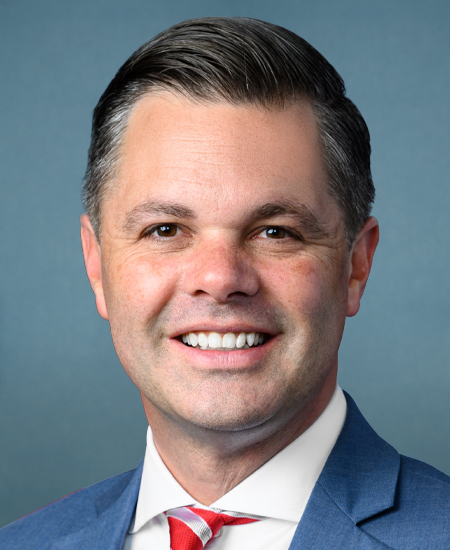
Rep. Zachary Nunn
Sponsored bills
Maddy summaryHR 8231, the James Earl Jones Congressional Gold Medal Act, authorizes a Congressional Gold Medal to be awarded to actor James Earl Jones in recognition of his distinguished career in theater and film, and his role in advancing inclusion and equal opportunities for people of all backgrounds in the entertainment industry. The Treasury will strike the medal with an image and inscription of Jones, and may produce and sell bronze duplicates to cover costs, with proceeds deposited into the U.S. Mint's public enterprise fund. This bill serves as a ceremonial honor with no new legal requirements or policy changes.
Maddy summaryThe SEC Regulatory Accountability Act requires the Securities and Exchange Commission (SEC) to conduct detailed cost-benefit analyses before proposing or finalizing new regulations. It mandates that the SEC assess how regulations impact market participants, evaluate alternatives to minimize burden, and ensure rules are written in plain language with clear justifications. For major regulations, the bill also requires the SEC to establish post-implementation assessment plans to measure economic effects and report on outcomes within four years. This bill directly affects the SEC and other securities regulators like the Public Company Accounting Oversight Board, altering their rulemaking processes to prioritize cost-effectiveness and transparency.
Maddy summaryHR 8236, the Pre-K for Kids Act of 2024, creates a federal grant program to expand access to high-quality pre-kindergarten programs for 3- and 4-year-olds from low-income families (at or below 250% of the federal poverty line). The bill provides competitive grants to state education agencies, which then award subgrants to local school districts to fund pre-K programs through partnerships with service providers and private investors. Key provisions require programs to maintain a 10:1 student-to-teacher ratio, focus on early literacy and math skills, engage families, and demonstrate a positive long-term fiscal impact on local governments (e.g., increased tax revenue or reduced future costs). The law mandates independent evaluations of program outcomes and requires private investors to recoup their funding only if programs meet specific educational and fiscal goals within a 10-year period. This directly affects low-income families seeking early childhood education and local governments aiming to reduce future educational costs.
Maddy summaryHR 4016, the Veteran Fraud Reimbursement Act, ensures veterans who have had benefits misused by their appointed fiduciaries (like family members managing payments) receive reimbursement. It requires the VA Secretary to reissue misused benefits directly to the veteran or their successor fiduciary, make good-faith efforts to recoup funds from the negligent fiduciary, and promptly return any recovered amounts. The bill caps total reimbursements at the actual misused benefit amount and mandates VA oversight to determine if negligence contributed to the misuse, without delaying reimbursements. This directly affects veterans with fiduciaries who misappropriate their benefits, streamlining their access to rightful funds.
Maddy summaryThe Investing in All of America Act of 2023 amends the Small Business Investment Act to expand eligibility for a leverage exclusion, allowing Small Business Investment Companies (SBICs) to count more investments toward their leverage limits when funding businesses in low-income or rural areas, or in critical technology sectors vital to national security. It requires the Small Business Administration to adjust exclusion limits annually using the Consumer Price Index to account for inflation and to submit annual reports to Congress on economic activity and jobs generated by these investments. This bill directly affects SBICs and the businesses they support in designated underserved communities and strategic technology industries.
Maddy summaryThis bill establishes a 5-year pilot program to improve transition support for servicemembers leaving the military, directly affecting those separating from active duty. It requires the Department of Defense and Veterans Affairs to jointly implement a program including: (1) a group education module covering transition risks (like isolation, PTSD, homelessness, and suicide risk factors), (2) one-on-one counseling before discharge to assess VA care needs, and (3) coordination to connect veterans with VA services in their intended communities. The pilot will operate at 10+ military locations serving 300+ annually, with participants sharing medical records with VA and receiving tailored service referrals. Reports will track demographics, program activities, and outcomes to assess whether the approach reduces suicide risk among transitioning veterans.
Maddy summaryThis bill temporarily allows E15 fuel (15% ethanol blend) to be sold year-round in eight Midwest states (Illinois, Iowa, Minnesota, Missouri, Nebraska, Ohio, South Dakota, Wisconsin) during a specific summer period. It requires E15 to meet the same Reid vapor pressure standards currently applied to E10 fuel (10% ethanol blend) from May 1 to September 15, 2024. This adjustment addresses a seasonal restriction that typically limits E15 sales during warmer months to prevent vapor emissions. The bill directly affects fuel retailers and consumers in those states by expanding E15 availability during summer.
Maddy summaryThe EARN IT Act of 2023 clarifies that Section 230 of the Communications Act does not shield online service providers from liability for child sexual abuse material, while specifically protecting providers who use encryption technologies from liability for using those technologies. The bill amends over 50 federal statutes to replace "child pornography" with "child sexual abuse material" to ensure consistent terminology across legal contexts. It updates the CyberTipline (operated by the National Center for Missing & Exploited Children) to improve reporting of child sexual abuse material, extending the preservation period for reports from 90 days to one year. The law affects internet service providers, law enforcement, and child protection programs by clarifying legal responsibilities around child sexual abuse material.
Maddy summaryThis House resolution condemns Iran's April 13, 2024 attack on Israel, which involved over 350 drones and missiles launched directly from Iran. It affirms support for Israel's right to self-defense, commends international efforts (including U.S., U.K., French, and Jordanian intercepts) that minimized damage, and calls for enforcing U.S. sanctions against Iran to disrupt its missile programs and support for proxies like Hamas and Hezbollah. As a non-binding resolution, it expresses congressional support without creating new laws or funding.