

Maddy summaryHR 3526, the Uplifting First-Time Homebuyers Act of 2025, increases the maximum amount first-time homebuyers can withdraw penalty-free from retirement accounts. It amends the Internal Revenue Code to raise the limit from $10,000 to $50,000 for qualified first-time homebuyer distributions. This change directly affects individuals using retirement savings to purchase their first home, allowing them to access significantly more funds without incurring the usual 10% early withdrawal penalty. The provision applies to taxable years beginning after December 31, 2024.
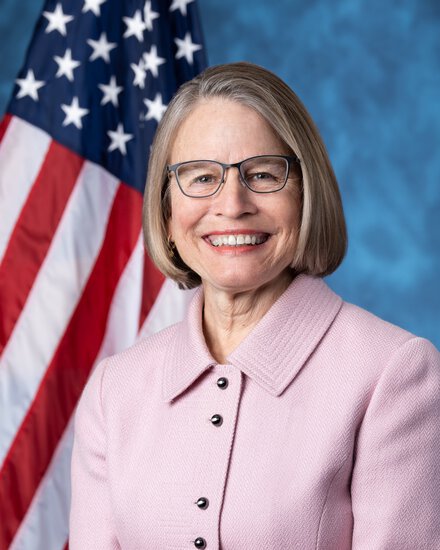
Rep. Mariannette Miller-Meeks
Sponsored bills
Maddy summaryHRES 412 is a non-binding House resolution congratulating Pope Leo XIV on his historic election as the 267th pope and the first American-born pope in the Catholic Church's 2,000-year history. The resolution recognizes his Chicago upbringing, missionary work in Peru, and commitment to humility and pastoral care, highlighting his significance for American Catholics. As a symbolic gesture with no legal effect, it expresses the House's support for his leadership without altering any policies or affecting any stakeholders.
Maddy summaryHRES 352 is a non-binding House resolution calling on elected officials, faith leaders, and civil society leaders to condemn antisemitism and educate the public about Jewish American contributions to U.S. culture, innovation, and society. It specifically urges the executive branch and local leaders to uplift Jewish stories and ensure safety for Jewish Americans in public spaces, workplaces, and on campuses. The resolution references rising antisemitism since October 7, 2023, including reported increases in hate incidents and safety concerns among Jewish communities. It does not create new laws or allocate funds but serves as a formal statement urging existing leaders to take action through education and safety measures.
Maddy summaryThis bill allows U.S. Representatives and Senators to use space within Department of Veterans Affairs (VA) facilities for meetings with veterans who are their constituents. It requires the VA Secretary to establish clear rules within 90 days, including that meeting spaces must be visible, accessible during business hours, and rented at rates similar to commercial office space in the area. The bill prohibits political campaigning, recording veterans without consent, or using VA spaces during the 60 days before federal elections. It directly affects veterans seeking in-person help from their representatives and the VA facilities managing these access points. The key change is creating a formal, regulated process for congressional access to VA locations, not altering veterans' benefits or policies.
Maddy summaryThe Rural Broadband Modernization Act would create a federal program to fund broadband infrastructure in rural areas through grants, loans, and loan guarantees. It establishes a minimum service standard of 100 Mbps symmetrical broadband for all rural households, prioritizing projects for communities without any existing broadband service (or with inadequate service) and requiring at least 90% of households in a service area to be unserved. The program would allocate $500 million annually from 2026-2030, with funds distributed based on the number of small communities (under 2,500 residents) in each state. Eligible applicants include local governments, tribal entities, and private companies that can demonstrate they'll meet the service requirements within 5 years.
Maddy summaryHR 3277, the Ensuring Lasting Smiles Act, requires group health plans and health insurance issuers to cover medically necessary outpatient and inpatient treatments for congenital anomalies or birth defects primarily affecting the eyes, ears, teeth, mouth, or jaw. This includes reconstructive procedures, dental/orthodontic support during treatment, and follow-up care, but excludes purely cosmetic surgery not tied to a medical diagnosis. Cost-sharing (like copays) for these services must not be stricter than for other medical benefits. The law takes effect for plan years beginning January 1, 2026, and mandates insurers to provide notice about this coverage to beneficiaries.
Maddy summaryThis bill requires colleges to provide new pre-loan counseling to students before they accept federal student loans, explaining projected monthly payments compared to estimated income after expenses. It mandates institutions to show borrowers the estimated total debt (including private loans and future costs) and warn about high debt-to-income risks before they accept loan amounts. During periods when borrowers aren’t required to make payments (like while in school), lenders must send quarterly statements showing loan balances, interest rates, total paid, and how unpaid interest accumulates. The law directly affects federal student loan borrowers and colleges that disburse loans, focusing on transparency before borrowing and during repayment gaps.
Maddy summaryThis bill creates a new system for recognizing and regulating individuals who help veterans file benefit claims. It requires the VA to provide veterans with information about free assistance options and maintain a public list of accredited representatives. The bill sets a maximum fee limit of $12,500 or 5 times the monthly benefit increase for representatives, and establishes penalties for unaccredited representatives who charge improper fees. The law aims to protect veterans from unscrupulous representatives while ensuring they have access to quality assistance with their benefit claims.
Maddy summaryHR 976, the "1071 Repeal to Protect Small Business Lending Act," would repeal data collection and reporting requirements for small business loans under Section 704B of the Equal Credit Opportunity Act. This specifically removes the mandate for financial institutions - especially community banks and credit unions - to track and submit loan data by business characteristics like race or gender. The bill aims to reduce compliance costs for lenders, which its findings argue limit small business access to credit. The repeal would eliminate these reporting obligations and remove references to the requirement from related federal laws.
Maddy summaryThe ACES Act (HR 530) mandates a study by the National Academies to examine cancer rates and deaths among veterans who served as aircrew members (e.g., pilots, navigators) in fixed-wing military aircraft. The study will identify potential exposure risks (like chemicals) linked to 12 specific cancers (including brain, lung, prostate, and melanoma) and use VA, DoD, and CDC data to analyze prevalence and mortality. It does not change benefits or laws but requires a final report to the VA and congressional committees. The study directly affects veterans with the defined aircrew service history.