

Maddy summaryHR 6768, the Public Health Nursing Act, authorizes $5 billion annually (2024-2033) to expand public health nursing services through federal grants to state and local health departments. The bill requires grantees to use funds for recruiting and training registered nurses in underserved areas, covering wages, medical supplies (like PPE), and administrative costs to improve maternal/infant health and chronic disease management. Priority is given to applicants serving communities with high chronic disease rates, maternal mortality, low-income populations, rural areas, or health professional shortage zones. This directly affects public health departments and their ability to hire nurses providing in-person care, home visits, and mobile clinic services.
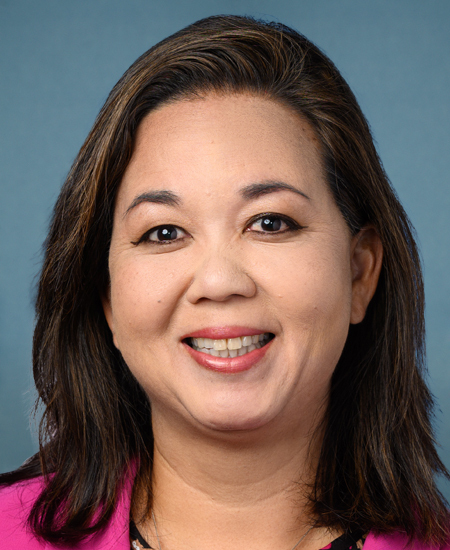
Rep. Jill N. Tokuda
Sponsored bills
Maddy summaryHRES 936 is a symbolic resolution commemorating the 80th anniversary of the Magnuson Act of 1943, which repealed the Chinese Exclusion Act of 1882. It honors the contributions of Chinese Americans and acknowledges the historical injustice of laws that excluded Chinese immigrants and denied them citizenship. The resolution celebrates Chinese American communities and reaffirms commitment to equal civil rights for all, regardless of race. As a commemorative measure, it does not create new laws or alter policies.
Maddy summaryThis resolution urges the Biden administration to facilitate the safe, timely, and sufficient delivery of humanitarian aid to civilians in Gaza. It specifically calls for expanding aid convoys, opening additional border crossings, providing fuel to aid organizations, establishing safe shelters, and renewing humanitarian pauses to address the severe crisis. The resolution directly affects civilians in Gaza, where infrastructure damage, contaminated water, and shortages of medical supplies have created a dire humanitarian situation. It does not create new laws but expresses Congress's position on improving aid access.
Maddy summaryThis bill requires U.S. federal agencies to prioritize native plants over non-native plants in landscape projects at federal facilities (like government buildings, military bases, and national parks). It mandates agencies to consider environmental benefits - such as supporting pollinators, reducing water use, and preventing soil erosion - when making planting decisions. Agencies must update design standards within 270 days and include these requirements in all relevant contracts. The Council on Environmental Quality will provide implementation guidance and publish biennial reports on native plant usage across federal projects.
This resolution condemns all forms of discrimination and expresses support for policies to prevent and respond to hate crimes, including education and training on prevention and response.
Maddy summaryThe Rent Relief Act of 2023 creates a new refundable tax credit for renters whose rent exceeds 30% of their adjusted gross income. It directly affects low-to-moderate income renters in their principal residence, with credit percentages ranging from 100% (for incomes under $25,000) down to 0% (for incomes over $100,000). The credit is limited to rent within HUD's fair market rent guidelines, and the IRS will make monthly advance payments starting July 2024 for eligible taxpayers who elect this option. The bill requires no additional tax filing for the credit but includes $50 million for outreach to help eligible households enroll.
Maddy summaryHRES 921 is a ceremonial resolution honoring the 30th anniversary of the National Guard Youth Challenge Program. It recognizes the program’s work supporting at-risk youth aged 16-18 by providing free, structured education and discipline through a 5.5-month residential phase (covering life skills, leadership, academics, and physical fitness) followed by a 12-month mentoring phase. The resolution highlights that the program, operating in 28 states and territories, has served over 8,000 cadets annually and helped more than 200,000 youth graduate with academic credentials since its inception. The resolution expresses the House’s reaffirmed commitment to the program’s mission of developing character and preparing youth for societal success.
Maddy summaryThe Eviction Prevention Act of 2023 provides $125 million annually to states and local governments to fund legal counsel for eligible individuals (those with income below 125% of the federal poverty level) facing eviction. It establishes a national database requiring courts to collect detailed data on eviction cases, including tenant demographics, reasons for eviction, representation status, and case outcomes. The database will track court-ordered evictions, administrative evictions, and illegal evictions, with specific requirements for reporting by courts and law enforcement. This legislation authorizes $100 million annually for the database's operation through fiscal year 2028, aiming to improve understanding of eviction patterns and outcomes. The bill creates concrete mechanisms for increasing legal representation access and gathering comprehensive eviction data to inform policy decisions.
Maddy summaryThe Hunger Clearinghouse Enhancement Act of 2023 updates the National School Lunch Act to improve a USDA resource hub for schools and community organizations. It requires the clearinghouse to include information on trained volunteers and practical ways to prevent hunger, beyond just food assistance details. The bill also increases annual funding for the clearinghouse from $250,000 to $750,000, effective through fiscal year 2031, to support expanded resources. This directly affects the USDA's operations and the schools, nonprofits, and communities relying on the clearinghouse for hunger-related information.
Maddy summaryThis bill establishes a federal grant program to help schools located near federal lands (like military bases and tribal reservations) with aging, unsafe facilities. It authorizes $250 million annually for four years to fund construction, renovation, and repairs of school buildings that don't meet basic safety standards. The program prioritizes schools with urgent health and safety hazards, offering full federal funding to those with no bond capacity and requiring local matching funds based on financial need for other schools. Schools must use funds to improve existing facilities, not purchase land, and must supplement but not supplant existing funding for school infrastructure.