

Maddy summaryHRES 1180 is a non-binding resolution recognizing the importance of diversity, equity, and inclusion (DEI) efforts in medical education. It affirms that a diverse medical workforce better serves the nation's diverse patient populations and supports medical schools in fostering inclusive environments to improve health equity. The resolution highlights existing disparities in health outcomes and representation, such as Black and Hispanic patients experiencing higher rates of chronic conditions compared to White patients, and notes that current medical school demographics (e.g., 10.8% Black or African American matriculants in 2023) do not reflect U.S. population diversity. It does not create new laws or funding but symbolically endorses DEI initiatives as essential for enhancing patient trust, clinical learning, and equitable care delivery.
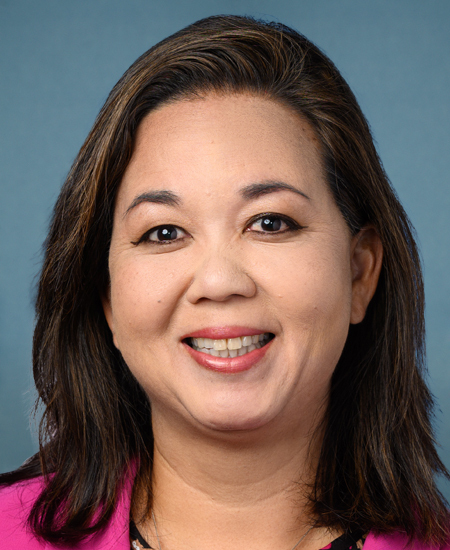
Rep. Jill N. Tokuda
Sponsored bills
Maddy summaryThis bill amends the 340B drug discount program to include rural emergency hospitals as eligible participants. Specifically, it adds these hospitals - owned by government, operating as non-profits with governmental powers, or contracted to serve low-income patients - to the list of covered entities under the program. The change directly affects rural emergency hospitals that provide care to low-income communities but previously couldn't access the discounted drug pricing. This expands access to affordable medications for these facilities and their patients without altering the core 340B program structure.
Maddy summaryThis bill requires the Department of Defense, State Department, and intelligence agencies to submit a report to Congress within 120 days of enactment. The report must assess how sharing defense-related information with Ukraine and European partners during Russia's invasion of Ukraine supported U.S. security goals, including military decisions and strengthened partnerships. It also evaluates current information-sharing processes, safeguards, and recommendations for adapting these practices to future crises in other regions. The bill does not change existing laws but mandates a formal review to improve how the U.S. shares defense information with allies.
Maddy summaryHR 8213, the End DWI Act of 2024, requires states to mandate ignition interlock devices (alcohol-detection systems) for all drivers convicted of driving while intoxicated (DWI) for a minimum of 180 days. States that fail to implement this requirement risk losing 3% of federal highway funds in 2027, increasing to 5% annually thereafter. The bill directly affects DWI offenders and states that do not adopt the interlock mandate, using federal funding as an incentive for compliance. It does not create new penalties but establishes a national standard tied to transportation funding. The legislation is based on findings showing interlocks reduce repeat offenses by up to 70% and address rising impaired driving fatalities.
Maddy summaryHCONRES 105 authorizes the use of Emancipation Hall in the Capitol Visitor Center on June 16, 2024, for a celebration of King Kamehameha I's birthday. The resolution requires that any physical preparations for the event follow conditions set by the Architect of the Capitol. This is a procedural authorization for a specific cultural event, not a policy change affecting legislation or constituents.
Maddy summaryThis bill amends veterans' education benefit rules to expand when institutions must repay funds. It adds two new scenarios triggering repayment: (1) course/program suspension due to risk-based surveys under Section 3673A, and (2) Secretary of Education findings that an institution harmed borrowers through actionable misconduct. Educational institutions receiving VA benefits must repay all assistance funds if they close or terminate a program due to these fraud determinations. The policy directly affects veterans whose benefits could be restored if institutions repay funds, and institutions that must now repay if found liable for fraud harming students.
Maddy summaryThe Captive Primate Safety Act prohibits the import, export, sale, transport, breeding, or possession of certain nonhuman primates - including chimpanzees, gorillas, monkeys, and their hybrids - in interstate or foreign commerce. It directly affects private owners, breeders, and commercial traders of these animals, with limited exceptions for pre-enactment animals (requiring registration with the U.S. Fish and Wildlife Service and restrictions on breeding/sale) and registered research facilities. The law amends the Lacey Act to add these primates to prohibited species lists, effective upon enactment, with regulations to be issued within 180 days. Enforcement remains active even if regulations are delayed, ensuring immediate prohibitions on commercial trade and possession.
Maddy summaryHRES 1177 designates May 5, 2024, as the "National Day of Awareness for Missing and Murdered Indigenous Women and Girls." The resolution expresses congressional support for this designation, calls on the public to commemorate affected individuals and show solidarity with families, and recommends the Department of Justice commission a new study on the crisis to update statistics since the 2016 report. It directly affects awareness efforts for Indigenous communities and families impacted by violence, while acknowledging ongoing gaps in addressing the crisis despite prior legislation like Savanna’s Act. The resolution does not create new laws or funding but focuses on recognition and data collection.
Maddy summaryHRES 1166 is a symbolic resolution expressing congressional support for Earth Day. It urges the President to issue an Earth Day proclamation, encourages Americans to take specific environmental actions (like addressing pollution and supporting indigenous stewardship), and calls for global efforts to advance climate goals. The resolution does not create new laws or directly affect any groups - it serves as a non-binding statement of support for environmental action. It references historical environmental milestones but focuses on reaffirming the need for year-round climate and environmental protection efforts.
Maddy summaryThis resolution (HRES 1157) is a symbolic gesture recognizing the work of linemen. It does not create new laws or policies; instead, it formally expresses the House's support for designating April 18, 2024, as "National Lineman Appreciation Day." The resolution highlights linemen's critical role in maintaining power infrastructure, their work as first responders during emergencies, and their safety risks. It directly affects no individuals or entities through policy changes - it solely offers ceremonial recognition of linemen's contributions to public safety.