

Maddy summaryHCONRES 28 is a symbolic resolution expressing Congress's view that tax-exempt fraternal benefit societies - organizations providing life, health, and accident benefits to members - have long delivered critical community support. It states these societies, with about 7 million members nationwide, generate significant annual value through charitable work and volunteer activities (estimated at over $3.8 billion yearly). The resolution affirms that their tax-exempt status under Section 501(c)(8) of the tax code is essential for sustaining their volunteer-driven model and relieving pressure on government safety programs. As a non-binding expression of congressional sentiment, it does not alter existing laws or create new obligations.
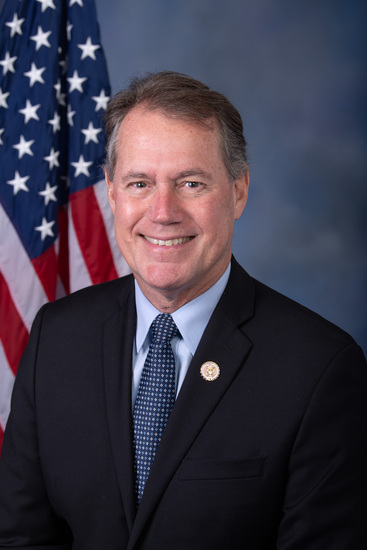
Rep. Ed Case
Sponsored bills
Maddy summaryThe Office of Gun Violence Prevention Act of 2023 establishes a new office within the Department of Justice to coordinate federal efforts on gun violence prevention. The office, led by a Director appointed by the Attorney General, will evaluate existing programs, identify data gaps, and make evidence-based policy recommendations to Congress and the President. It will work with an advisory council including DOJ officials and external members like gun violence survivors, community service providers, and public health experts. The office must produce an annual report to Congress on gun violence trends and policy recommendations, and the bill authorizes funding to support these activities.
Maddy summaryHR 1723, the Abortion is Health Care Everywhere Act of 2023, amends the Foreign Assistance Act to remove restrictions on using U.S. foreign aid funds for abortion services. It explicitly allows U.S. foreign assistance programs to fund comprehensive reproductive health care, including abortion services, training, and equipment. This change directly affects U.S. international health programs and recipient countries, enabling them to integrate safe abortion care into broader reproductive health services. The bill aims to align U.S. policy with global health guidelines by making abortion services a standard part of reproductive health care funded through foreign assistance.
Maddy summaryThis bill modifies federal highway funding rules to prioritize safety for cyclists and pedestrians. It allows states and local governments to receive 100% federal funding for projects that connect existing bike/pedestrian infrastructure or reduce safety risks for these users, instead of the usual lower federal share. The bill also requires projects to align with state safety plans focusing on vulnerable road users and includes specific "Proven Safety Countermeasures" for cyclists/pedestrians. These changes directly affect states administering federal highway funds and local governments seeking to improve non-motorized transportation infrastructure.
Marine Mammal Climate Change Protection Act This bill establishes requirements to protect marine mammals adversely affected by climate change, including by establishing a program within the National Oceanic and Atmospheric Administration (NOAA) to monitor the adverse impacts of climate change on marine mammals. In addition, it also requires NOAA's National Marine Fisheries Service (NMFS) and the U.S. Fish and Wildlife Service (USFWS) to issue regulations that list marine mammal species in waters under U.S. jurisdiction for which climate change is more likely than not to result in a decline in population abundance, an impeded population recovery, or a reduced carrying capacity (i.e., the maximum population of a marine mammal species that an area will support without undergoing deterioration). The NMFS and the USFWS must update the list at least once every five years and issue regulations that include climate impact management plans for species on such list. The bill also directs the NMFS and the USFWS to review agreements with foreign governments concerning the management of marine mammals that are or may be affected by climate change. The Department of State must initiate amendments to such agreements or negotiate the development of such agreements in a manner consistent with the goals of the bill.
Maddy summaryHR 1320, the COAST Anti-Drilling Act, bans new oil and gas leasing in four specific coastal areas: the Mid-Atlantic, South Atlantic, North Atlantic, and Straits of Florida planning areas of the outer Continental Shelf. The bill amends federal law to prohibit the Secretary of the Interior from issuing any leases or authorizations for exploration, development, or production of oil, natural gas, or minerals in these regions. This directly affects coastal states and marine ecosystems in those areas by preventing new offshore drilling projects. The law creates a permanent restriction on new leasing in these designated zones.
Maddy summaryThis bill amends the 1990 Food, Agriculture, Conservation, and Trade Act to establish a new "Macadamia Tree Health Initiative" under Section 1672(d). It authorizes federal research and extension grants for specific activities including developing pest control tools, creating area-wide pest management programs, surveying macadamia production, and studying tree biology and pesticide impacts on beneficial insects. The initiative is funded through annual appropriations for fiscal years 2024 through 2035. It directly affects macadamia growers and researchers in growing regions by directing federal resources toward addressing threats like plant pests and noxious weeds.
Maddy summaryHR 965, the Coffee Plant Health Initiative Amendments Act, updates an existing agricultural research program to better protect coffee crops. It authorizes grants for specific research activities, including developing pest control tools, establishing integrated pest management programs, surveying coffee plant health, and studying coffee plant biology and pesticide impacts. The bill extends the funding authorization period for these grants from 2023 to 2035. This directly supports coffee growers and agricultural researchers in coffee-producing regions by providing long-term resources for science-based solutions to crop threats.
Maddy summaryHR 1619 requires schools participating in the National School Lunch Program to provide fluid milk substitutes (like soy or almond milk) upon request by a student or their parent/guardian. The bill removes the previous requirement that substitutions needed a medical authority's written statement for most dietary needs, instead allowing requests based on the student's or parent's request alone. It aligns the definition of acceptable substitutes with current Dietary Guidelines for Americans. This change directly affects students with dietary restrictions, making it simpler for schools to accommodate their needs without extra medical documentation.
Maddy summaryThis resolution supports designating the third week of March 2023 as "National CACFP Week" to raise public awareness of the Child and Adult Care Food Program (CACFP). The CACFP provides daily nutritious meals and snacks to over 4 million children and 138,000 adults in child care centers, adult day care homes, and after-school programs across the U.S. The resolution highlights the program's role in improving nutrition, reducing health disparities, and supporting vulnerable communities, particularly low-income families and rural providers. It does not create new laws or funding but serves as a symbolic gesture to promote the CACFP's importance.