

Maddy summaryHRES 643 is a symbolic House resolution expressing support for designating July 30, 2023, as "National Whistleblower Appreciation Day." It does not create new laws or obligations but encourages federal agencies to recognize the day by informing employees and contractors about whistleblower rights and acknowledging whistleblowers' contributions in combating waste, fraud, and abuse. The resolution highlights historical support for whistleblowers dating to 1778, when the Continental Congress passed early whistleblower protections. It directly affects federal agencies, which are urged to promote awareness of whistleblower protections and publicly honor whistleblowers' role in safeguarding public funds and ethics. The resolution is purely procedural and commemorative, with no binding policy changes.
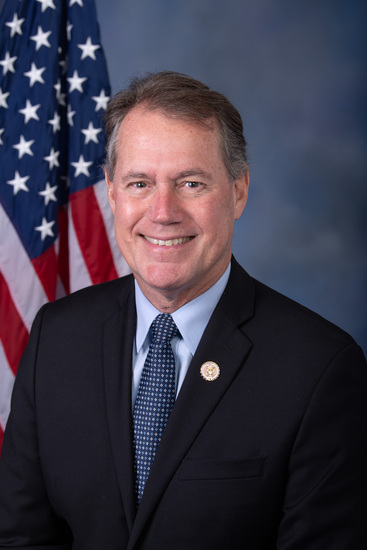
Rep. Ed Case
Sponsored bills
This resolution honors and recognizes the patriotism and contributions made by generations of veterans service organizations, veteran advocacy groups, and volunteers and commends the members of such organizations for their dedicated service to members of the Armed Forces, veterans, their families, and their communities. The resolution also encourages the people of the United States to promote awareness of the contributions and dedication of members of veterans service, organizations, veteran advocacy groups, and volunteers to members of the Armed Forces, veterans, and their families. Additionally, the resolution calls on citizens to follow the example of such groups and volunteer support and services to those who have served the country.
Maddy summaryHR 5127, the Visitor Visa Wait Time Reduction Act, requires the State Department to report on consular posts with visitor visa interview wait times exceeding 100 days and to take steps to reduce those waits. If wait times at any post exceed 300 days, the Secretary must temporarily reassign State Department personnel to assist consular staff at that location. The bill directly affects U.S. embassies and consulates handling visitor visa applications and the applicants waiting for interviews. It mandates specific administrative actions to address processing delays but does not change visa eligibility or fees. The focus is on improving internal staffing efficiency at consular posts, not altering immigration policy.
Maddy summaryThis bill amends the definition of "humanitarian and civic assistance" under military law to explicitly include "the hardening of existing infrastructure in support of disaster mitigation." It directly affects military units conducting civic assistance projects and communities receiving infrastructure upgrades. The key provision expands existing programs to allow military personnel to strengthen buildings and systems (like flood barriers or earthquake-resistant structures) as part of disaster prevention efforts. This change modifies how military humanitarian work is defined but does not create new programs or funding.
Maddy summary# Summary of the "Protecting Our Democracy Act" This comprehensive legislation aims to strengthen democratic processes, increase government transparency, and prevent foreign interference in elections. Key provisions include: ## Ethics and Transparency - **Ethics Pledge**: Requires all appointees to sign an ethics pledge committing to: - Ban on gifts from registered lobbyists - 2-year revolving door ban (prohibiting participation in matters related to former employers) - Golden parachute ban (no special payments from former employers) - Commitment to decision-making based on public interest - **Tax Transparency**: Requires presidential and vice presidential candidates to disclose 10 years of tax returns, with sitting presidents submitting returns within 30 days of enactment ## Campaign Finance and Foreign Interference - **Foreign Contact Reporting**: Requires political committees to report any contact with "covered foreign nationals" within 1 week - **Enhanced Penalties**: Criminal penalties of up to $1 million and 5 years in prison for violations - **Online Advertising Rules** ("Honest Ads Act"): - Requires clear disclosure of who paid for political ads online - Mandates machine-readable public databases of political ads - Requires visible sponsor identification that remains when ads are shared - Defines "qualified political advertisements" to include various online formats ## Preventing Patronage Systems - Limits exceptions to competitive service for federal positions - Restricts transferring positions between competitive and excepted service - Requires employee consent for position transfers ## Use of Federal Property - Prohibits holding national political conventions on federal property - Requires publicly available visitor records at White House and other official locations (with privacy exceptions) The legislation establishes detailed definitions, reporting requirements, and enforcement mechanisms across multiple agencies, with the goal of increasing transparency, preventing foreign interference, and ensuring ethical conduct in government service.
Maddy summaryThe AQUAA Act establishes a regulatory framework for sustainable offshore aquaculture in U.S. waters, creating "aquaculture opportunity areas" in the exclusive economic zone. It requires aquaculture management plans for these areas and sets up a permitting process for offshore facilities, including environmental monitoring and contingency planning requirements. The bill includes provisions for research and development grants to support sustainable aquaculture technology, economic development programs for coastal communities, and protections for marine ecosystems and wild fish stocks. It directly affects offshore aquaculture operators, coastal communities, and federal agencies responsible for regulation, including the Department of Commerce and National Oceanic and Atmospheric Administration. The act aims to expand domestic seafood production through sustainable offshore aquaculture while supporting job creation in the seafood industry.
Maddy summaryThe SHELLS Act creates a new Office of Aquaculture within the U.S. Department of Agriculture to support sustainable shellfish farming (like oysters and clams), algae cultivation, and land-based aquaculture systems. It establishes an advisory committee with 14 members representing aquaculture farmers, Tribal communities, coastal towns, academic institutions, and food industry stakeholders to advise on best practices and barriers. The bill authorizes $25 million annually (2024-2028) for the office to provide technical assistance, coordinate with agencies like NOAA, and gather production data. This directly affects shellfish and algae producers, coastal communities, and Tribal nations by promoting practices that support food security while limiting environmental harm.
Maddy summaryHR 4963, the Tax Fairness for Workers Act, would restore tax deductions for certain employee expenses. It creates an above-the-line deduction for union dues and expenses paid by wage-earning employees, and allows miscellaneous itemized deductions for other work-related expenses (like uniforms or supplies) that were previously disallowed after 2017 tax law changes. These provisions directly affect employees who pay union dues or incur qualifying job-related costs. The bill amends specific sections of the Internal Revenue Code to make these deductions available for taxable years beginning after December 31, 2022. It does not change tax rates or provide new benefits, only reinstating previously eliminated deductions for eligible workers.
Maddy summaryThe Rebuild America's Schools Act of 2023 creates a $20 billion annual federal grant program to fund long-term improvements to public school facilities across the United States. It requires states to prioritize school districts serving high-poverty students (with high percentages of students eligible for free/reduced lunch) and those with deteriorating infrastructure, while mandating that recipient schools develop 10-year facilities master plans. The bill specifies that funds must be used for construction, renovation, and modernization projects that improve energy efficiency, address environmental health hazards (including lead, asbestos, and poor air quality), and ensure school safety, while requiring the use of American-made materials for construction projects.
Protect Innocent Victims Of Taxation After Fire Act This bill excludes from gross income, for income tax purposes, any amount received after 2019 and before 2026 by an individual taxpayer as a qualified wildfire relief payment. The bill defines such payment as compensation for expenses or losses incurred as a result of a federally declared forest or range fire disaster.