

Maddy summaryHR 6011, the VA Work-Study Improvement Act, expands opportunities for veterans and military members participating in the VA's work-study program. It allows them to work on activities with state/local governments or nonprofits that benefit veterans (e.g., community service or job training), and sets a new wage standard requiring payments to be the highest of federal employee rates, state minimum wage, or local minimum wage. The bill also requires electronic tracking of work hours and annual public reporting on program participation, including demographics, wages, hours worked, and participating schools. These changes apply to work-study payments made on or after January 1, 2028.
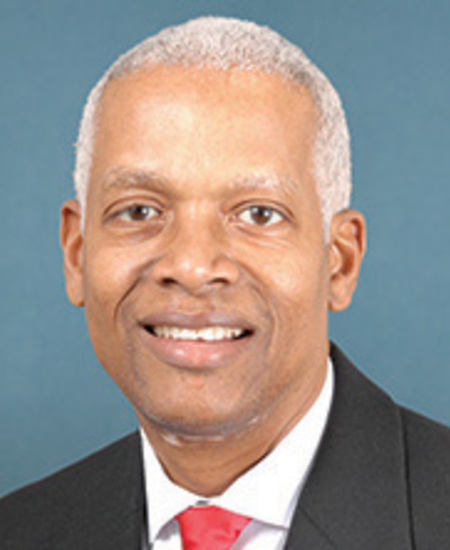
Rep. Henry C. "Hank" Johnson, Jr.
Sponsored bills
Maddy summaryHRES 876 is a non-binding House resolution calling on the U.S. government to formally recognize Israel's actions in Gaza as genocide under the Genocide Convention. It directs the U.S. to cease arms transfers to Israel where genocide is suspected, ensure Israel complies with International Court of Justice orders, investigate potential genocide-related crimes, and support UNRWA funding. The resolution specifically cites findings from the UN Commission of Inquiry, the International Association of Genocide Scholars, and major human rights organizations regarding Israel's conduct. It affects U.S. foreign policy and military aid decisions toward Israel, requiring the administration to take concrete steps to fulfill U.S. legal obligations under the Genocide Convention. The resolution does not alter U.S. law but sets a policy stance for congressional action.
Maddy summaryThis bill ensures continuous funding for SNAP (food assistance) and WIC (nutrition program for mothers/children) during government funding gaps. It authorizes emergency Treasury funds to cover SNAP/WIC benefits and reimburse states for costs if Congress fails to pass regular appropriations for the Department of Agriculture by September 30, 2025. The funding covers missed payments retroactively from September 30, 2025, through the bill’s enactment date, and continues until either regular appropriations pass or September 30, 2026. It directly affects low-income households relying on these programs and state agencies administering them during funding lapses.
Maddy summaryThis bill, HR 5973, requires federal immigration enforcement personnel to follow strict limits on force use, including proportional application, mandatory de-escalation efforts, and prohibitions on equipment like flash bangs or rubber bullets except for specific public safety threats. It mandates body-worn and vehicle cameras for all operations, with footage retained for one year (three years for force incidents or complaints), and grants affected individuals the right to inspect recordings. The law also requires annual training on force policies, First Amendment compliance, and racial bias avoidance, while demanding detailed quarterly reports to Congress on force usage, assaults on agents, and equipment approvals. These provisions directly affect all federal immigration agents conducting enforcement actions, aiming to increase transparency and accountability during operations.
Maddy summaryHRES 855 is a non-binding House resolution expressing support for National Adoption Day (November 22, 2025) and National Adoption Month (November). It promotes awareness about children in foster care awaiting adoption - highlighting that 49,994 U.S. children were waiting for adoptive families in 2023 - and encourages the public to consider adoption. The resolution recognizes that every child deserves a permanent, loving family and urges Americans to support this goal throughout November and the year. As a symbolic gesture, it does not create new laws or policies.
Maddy summaryThe PROVE Act allows 16-year-olds to pre-register to vote in federal elections, with states required to automatically register them for future elections once they turn 18. It directly affects minors aged 16-17 in all states, enabling them to participate in voting processes before reaching voting age. The bill includes a $25 million grant program to help states implement pre-registration systems and develop school curricula promoting civic engagement for young people. States must submit plans detailing how they will encourage youth involvement in elections and report on their progress within two years. The law amends the National Voter Registration Act and takes effect 90 days after enactment.
Maddy summaryThis bill requires states to allow eligible voters to register or update their registration at polling places on election day for federal elections, including during early voting periods. It applies to all states except those with existing laws eliminating voter registration requirements for federal elections. The key mechanism mandates that voters can both register and cast their ballot on the same day at designated polling locations. The requirement takes effect for the November 2026 general election and all subsequent federal elections.
Maddy summaryHRES 846 is a symbolic resolution designating October 2025 as National Domestic Violence Awareness Month. It expresses the House's support for raising awareness about domestic violence and its impacts, and calls for continued congressional attention to ending domestic violence through existing programs. The resolution does not create new laws, allocate funding, or directly affect any specific groups - it is purely a statement of support. It references statistics on domestic violence prevalence but focuses on awareness rather than policy changes.
Maddy summaryThis bill requires states receiving certain federal law enforcement funds to submit quarterly, anonymous reports to the Attorney General about pregnant individuals and births in custody. It mandates data on pregnancy testing, prenatal care, birth outcomes, restraint use (including during labor), postpartum care, and restrictive housing for incarcerated pregnant people. States failing to comply face up to a 10% reduction in allocated federal funds. The reports will be publicly published, and the Attorney General must conduct a study to analyze the data and improve care standards. The bill affects all states with correctional facilities (including jails, prisons, and boot camps) that receive funding under the specified federal program.
Maddy summaryHR 5876, the Keep America Building Act, prevents federal agencies from using funds to halt construction work under government contracts during budget gaps. It directly affects federal contractors and agencies managing construction projects by requiring them to continue work without interruption if a government funding lapse occurs. The key provision bans the use of federal money to suspend, delay, or stop any part of a project covered by a contract during an appropriations lapse. This ensures continuity for ongoing construction projects without requiring new funding approvals during temporary budget shortfalls.