

Maddy summaryThe Strength in Diversity Act of 2023 creates a federal grant program to help school districts address racial and socioeconomic isolation in public schools (K-12). Eligible school districts, states, or consortia with significant segregation gaps can apply for planning or implementation grants to develop strategies like equitable school assignments, transportation plans, or teacher recruitment programs. Grants require community engagement, data tracking on academic outcomes and diversity metrics, and plans to sustain efforts after funding ends. The program aims to increase student diversity and improve outcomes for students of color and low-income students in segregated schools.
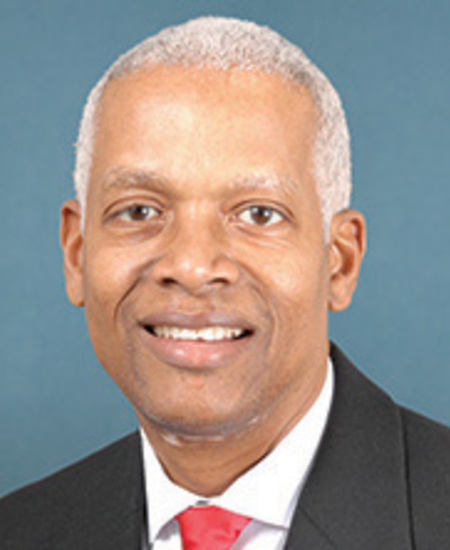
Rep. Henry C. "Hank" Johnson, Jr.
Sponsored bills
This resolution commends U.S. Capitol Police Officer Caroline Edwards for protecting Members of Congress, staff, and others during the events of January 6, 2021.
Maddy summaryHRES 319 is a symbolic resolution passed by the U.S. House of Representatives on April 24, 2023, recognizing the federal government's duty to develop a Green New Deal. It states the House believes the government should create a comprehensive plan to address climate change and economic inequality through a 10-year national mobilization. The resolution outlines goals like achieving net-zero emissions by 2050, creating high-wage union jobs, upgrading infrastructure, and prioritizing frontline communities, but it does not establish binding policy or funding mechanisms. As a non-binding resolution, it serves as a statement of legislative intent rather than a law.
Maddy summaryThis bill extends eligibility for the WIC nutrition program to new mothers for 24 months after childbirth (up from six months) and extends breastfeeding support periods to 24 months (up from one year). It directly affects new mothers and infants who rely on WIC for nutrition assistance, breastfeeding support, and health services. Key provisions include amending the Child Nutrition Act to lengthen these benefit periods and requiring a report within two years evaluating health outcomes, breastfeeding rates, and family experiences. The report must assess impacts on maternal/infant health, racial disparities, and program effectiveness. This is a substantive policy change focused on improving access to critical postpartum support.
Maddy summaryThis bill expands the tax deduction available to educators by adding coaches and interscholastic sports administrators to the list of eligible professionals. Previously excluded from the deduction due to specific wording, these roles now qualify under the revised tax code language. The change modifies Section 62 of the Internal Revenue Code to include "interscholastic sports administrator or coach" as part of the deduction for instructional school personnel. It affects school staff directly by allowing them to deduct qualified education expenses on their federal tax returns starting in 2023. The bill does not create new programs but adjusts existing tax rules for eligible educators.
Justice for Incarcerated Moms Act This bill establishes new requirements related to grants, programs, and reports to improve the treatment and care of pregnant and postpartum women who are incarcerated. Specifically, the bill requires the following: states must restrict the use of restraints on pregnant women in prison in order to receive full funding under the Edward Byrne Memorial Justice Assistance Grant program; the Bureau of Prisons must establish programs to optimize maternal health outcomes for pregnant and postpartum women in federal prisons; the Bureau of Justice Assistance must award state grants for programs to support pregnant and postpartum women in state and local prisons and jails; and the Government Accountability Office must report on adverse maternal and infant health outcomes among incarcerated individuals and infants born to such individuals, with a particular focus on racial and ethnic disparities.
Maddy summaryHRES 372 is a non-binding House resolution expressing support for designating May 2023 as "Mental Health Awareness Month." It does not create new laws or allocate funds but formally urges the nation to recognize mental health as a priority. The resolution supports reducing stigma around mental illness, expanding access to mental health services, and emphasizing that mental well-being is as important as physical health. It highlights the need for greater awareness and resources, particularly for youth, veterans, and communities of color facing mental health disparities, but does not mandate any specific policy changes.
Maddy summaryHR 3255, the Freight Rail Workforce Health and Safety Act, requires major freight railroads (Class I carriers) to provide employees with at least 7 days of paid sick leave annually. This includes leave for personal illness, family care, preventive medical visits, and situations related to domestic violence, sexual assault, or stalking. Employees can carry over unused days to the next year, and railroads cannot require workers to find replacements before taking leave or penalize them for using it. The law prohibits retaliation, such as termination or demotion, for requesting or using sick leave, and ensures paid sick leave is separate from existing vacation or holiday time.
National Concussion and Traumatic Brain Injury Clearinghouse Act of 2023 This bill establishes a clearinghouse for information (e.g., best practices and research) about concussions and traumatic brain injuries for medical professionals, patients, and other stakeholders. The Department of Health and Human Services and the Centers for Disease Control and Prevention must maintain the clearinghouse.
Maddy summaryThe PAST Act of 2023 amends the Horse Protection Act to ban specific devices used to cause pain (soring) in horses at shows, particularly affecting Tennessee Walking Horses, Racking Horses, and Spotted Saddle Horses. It defines prohibited "action devices" (like boots or chains causing friction) and requires licensed, conflict-free inspectors at events to enforce rules. The bill increases penalties for violations to up to $5,000 fines or 3 years in jail, and mandates longer disqualifications for repeat offenses (180 days → 1 year → 3 years). Horse show organizers, exhibitors, and participants must comply with these new inspection and penalty requirements.