

Maddy summaryHRES 1432 designates September 10, 2024, as "National Firearm Suicide Prevention Day" to raise public awareness about firearm suicides and promote safe storage practices. The resolution encourages healthcare professionals to discuss safe firearm storage with patients and supports the day's goals of reducing firearm suicides through education. It directly affects the general public and healthcare providers by highlighting evidence that safe storage lowers suicide risk, referencing statistics like 54.6% of U.S. suicides in 2022 involving firearms. The bill is symbolic, with no new legal requirements, and aligns with existing awareness efforts like Firearm Suicide Prevention Day.
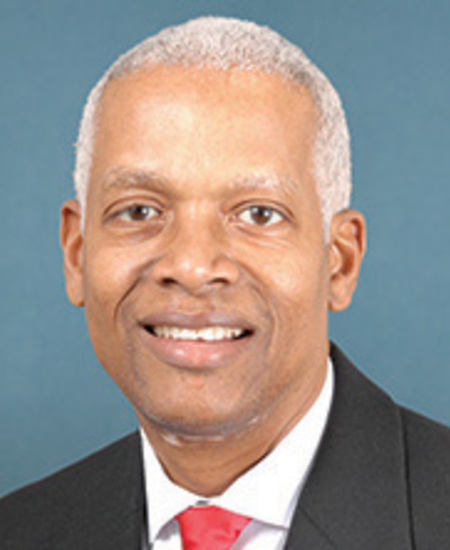
Rep. Henry C. "Hank" Johnson, Jr.
Sponsored bills
Maddy summaryHRES 1436 is a symbolic resolution (not a law) introduced in the U.S. House of Representatives. It recognizes suicide as a preventable public health crisis by citing statistics from the CDC, VA, and SAMHSA showing rising suicide rates across age groups, including veterans and adolescents. The resolution formally supports designating September as "National Suicide Prevention Month" and September 10, 2024, as "World Suicide Prevention Day." It does not create new policies, allocate funding, or directly affect any individuals - its purpose is solely to express congressional support for suicide prevention awareness and efforts.
Maddy summaryHR 8199, the *Increasing Nutrition Access for Seniors Act of 2024*, would make it easier for seniors and disabled individuals in SNAP (food stamp) households to qualify for benefits. It expands certification periods to 36 months for households without earned income and creates a new standard medical deduction: states can automatically deduct $155 monthly (adjusted yearly for inflation) from income for seniors/disabled members who report over $35 in monthly medical expenses. States may also set higher deductions if they provide evidence of higher average medical costs in their area. These changes apply to new certification periods starting 180 days after enactment.
Maddy summaryThe Protecting Communities from Plastics Act of 2024 establishes new environmental standards for plastic production facilities, including a temporary moratorium on new permits for covered facilities during a "temporary pause period." It requires environmental justice assessments for permits affecting fenceline communities (low-income communities and communities of color near plastic facilities) and sets specific targets to reduce single-use plastics by 25% and increase reusable/refillable packaging by 30% by 2034. The bill mandates comprehensive reporting on plastic production and distribution, including a national inventory of plastic manufacturing, and requires continuous air and water quality monitoring near plastic facilities. This legislation directly affects plastic producers, manufacturers, and communities located near plastic production facilities, particularly those disproportionately impacted by plastic pollution.
Maddy summaryThe Equal Pay for Equal Work Act establishes a National Equal Pay Enforcement Task Force to strengthen enforcement of existing equal pay laws. The task force, made up of representatives from the Equal Employment Opportunity Commission, Department of Justice, Department of Labor, and Office of Personnel Management, will coordinate efforts to investigate pay disparities and develop solutions. It will create action plans to address enforcement gaps and improve public education about pay equity. This bill directly affects federal agencies and workers facing wage discrimination by enhancing how equal pay laws are enforced across government.
Maddy summaryThe Elder Pride Protection Act of 2024 establishes a new federal task force (the ELDER Task Force) within the Department of Justice to address elder abuse targeting LGBTQI+ seniors. The task force, formed within 90 days of the bill's enactment, will study abuse patterns against LGBTQI+ individuals aged 60+, develop best practices for law enforcement, and create educational materials for prevention and response. It will coordinate federal, state, and local efforts and report to Congress within one year. The bill directly affects LGBTQI+ seniors facing abuse, focusing on concrete policy actions through research, resource development, and interagency coordination.
Maddy summaryThis bill adds "galactose-alpha-1,3-galactose" (alpha-gal) to the list of major food allergens under federal law. It requires food manufacturers to clearly label products containing alpha-gal, which is found in red meat and some other animal-derived foods, directly affecting consumers with alpha-gal syndrome (a meat allergy often triggered by tick bites). The law excludes certain mammal-derived ingredients (like those from alpha-gal-knockout animals) if they fall below a detectable limit. The new labeling requirement will take effect on January 1, 2026, giving manufacturers time to adjust. This change ensures clearer allergen information for people with this specific allergy.
Maddy summaryThis bill increases liability limits for foreign vessel owners from the previous cap to 10 times the vessel's value. It directly affects victims of foreign vessel accidents who were not crew members or passengers, including those injured or killed in incidents not involving the vessel's crew or paying passengers. The law requires foreign vessel owners to cover personal injury or death claims for these victims, removing the previous limitation that capped payments to the vessel's value. The changes apply to incidents occurring on or after March 25, 2024.
Maddy summaryHRES 1414 is a non-binding resolution expressing congressional support for "Warehouse Worker Recognition Week" (August 18-24, 2024), which celebrates workers in the logistics industry. It does not create new laws or funding but symbolically acknowledges warehouse workers’ contributions to the economy, noting they number over 9 million and face challenging conditions like extreme heat. The resolution encourages public awareness of their role in supply chains and commits to addressing workplace safety concerns. It directly affects warehouse workers by formally recognizing their labor, though it has no legal force.
Maddy summaryThis non-binding House resolution expresses the House's support for keeping guns out of schools by stating federal funds should not be used to arm school personnel or provide them firearm training. It references existing laws like the STOP School Violence Act (2018) and research showing arming staff does not improve safety, citing data on failed interventions and disproportionate impacts on students of color. The resolution affirms current policy guidance without creating new legal requirements. It serves as a formal statement of the House's position based on evidence and existing legislative frameworks.