

Maddy summaryHJRES 44 is a congressional resolution seeking to block a 2021 rule by the Bureau of Alcohol, Tobacco, Firearms, and Explosives (ATF). The rule classified firearms with stabilizing braces as "short-barreled rifles," which would have required additional licensing and regulation. This resolution uses a specific legal process (under Title 5, U.S. Code) to formally disapprove the ATF rule, meaning the rule would no longer be in effect. It directly affects firearm owners, manufacturers, and dealers who would have been subject to the rule’s requirements.
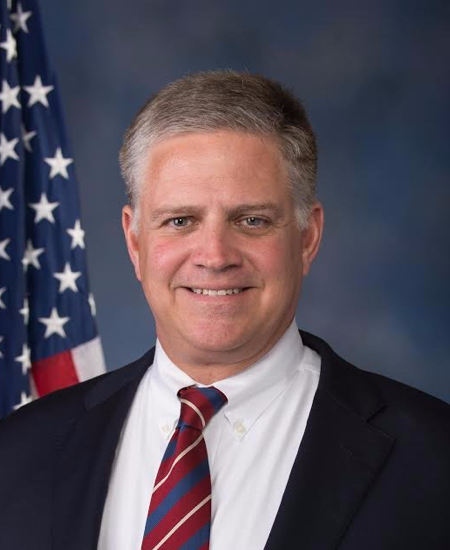
Rep. A. Drew Ferguson IV
Sponsored bills
Maddy summaryHJRES 45 is a congressional disapproval resolution targeting a specific Department of Education rule about federal student loans. It seeks to block the rule implementing "One-Time Federal Student Loan Debt Relief" (including modifications to Perkins, FFEL, and Direct Loan programs) by invoking the Congressional Review Act. If passed, this resolution would nullify the rule, preventing the Department of Education from using it to modify or waive student loan obligations. The bill directly affects borrowers who might have qualified for debt relief under the targeted rule.
Maddy summaryHR 277 would require Congress to approve major federal regulations before they take effect. Major rules are defined as those with significant economic impact ($100 million+ annually), major cost increases for consumers or industries, or significant adverse effects on competition, employment, or innovation. Agencies must submit detailed information about these rules to Congress, including cost-benefit analyses, before they can take effect. Congress would have 70 session days to approve the rule with a joint resolution; if they don't act within that timeframe, the rule would not take effect. This would increase congressional oversight of federal regulations and require more detailed information about proposed rules before they become law.
Maddy summaryHR 1640, the Save Our Gas Stoves Act, prevents the Department of Energy from implementing energy efficiency standards for gas stoves that would make them unavailable in the U.S. market. It amends federal law to require that any new standard for gas stoves must not result in the unavailability of gas stove types, directly affecting gas stove manufacturers and consumers who rely on these appliances. The bill specifically blocks the implementation of the 2023 proposed rule (Energy Conservation Program: Energy Conservation Standards for Consumer Conventional Cooking Products) and any similar rule. This is a policy change focused on maintaining the availability of gas stoves by altering the criteria for energy standard approval.
Maddy summaryHR 4021, the Fair and Open Skies Act, amends U.S. aviation law to require that the Department of Transportation consider labor standards when reviewing international air transport agreements. Specifically, it adds "preventing the undermining of labor standards" as a mandatory factor in the public interest test for approving such agreements under 49 U.S.C. § 40101. This change directly affects international airlines seeking to operate flights to or from the U.S. and the DOT, which must now evaluate whether proposed agreements could weaken U.S. labor protections. The bill updates existing provisions by replacing outdated language about "agreements with the United States Government" and explicitly including labor standards in the evaluation criteria.
Maddy summaryThe Telehealth Expansion Act of 2023 modifies the Internal Revenue Code to require health insurance plans to cover telehealth services without applying deductibles. It directly affects high deductible health plans (HDHPs) and their enrollees, ensuring telehealth visits aren’t counted toward annual deductibles. The key provision creates a "safe harbor" (Section 223(c)(2)(E)) so plans won’t lose HDHP status for excluding telehealth deductibles. This change applies immediately upon enactment and affects all plans offering telehealth services. It does not create new funding or services but adjusts tax code requirements for existing coverage.
Supply Chain Security Act This bill allows a taxpayer to make an election, without regard to specified Treasury regulations, for purposes of determining whether any Western Hemisphere tax is an income, war profits, or excess profits tax. A Western Hemisphere tax is any tax paid to any U.S. possession or any foreign country (other than Cuba or Venezuela) that is located in North, Central, or South America (including the West Indies).
Maddy summaryHR 3996 would impose a 60% tax on the purchase of U.S. agricultural interests (including farmland and livestock production land) by individuals or entities from designated "countries of concern," such as China, Russia, Iran, North Korea, Cuba, and Venezuela. It requires transaction closers (like title companies or attorneys) to report buyer details to the IRS and request an affidavit confirming the buyer is not a disqualified person. If a disqualified person fails to provide the affidavit, the closing entity must inform them of the tax obligation, and the buyer would owe 60% of the purchase price. The tax does not apply to U.S. citizens, lawful permanent residents, or U.S. public companies not controlled by disqualified persons.
Maddy summaryThis bill raises the threshold for businesses to report payments to independent contractors and vendors from $600 to $5,000 annually. It directly affects small businesses and self-employed individuals who receive payments below the new $5,000 level, reducing their reporting burden. The bill also adds an inflation adjustment mechanism to keep the threshold updated annually, rounding increases to the nearest $100. These changes apply to payments made after December 31, 2023, under tax code sections governing Form 1099 reporting and backup withholding.
Rural Opportunity Zone and Investment Act This bill provides for the deferral of tax until December 31, 2032, on capital gains invested in qualified rural opportunity zones. A q ualified rural opportunity zone is any population census tract that is located in a rural county and is in persistent poverty.