

Maddy summaryHCONRES 22 is a symbolic resolution recognizing the persistent gender pay gap in the U.S., documenting that women earn significantly less than men across racial groups (e.g., Black women earn 67 cents for every dollar earned by White men). It highlights the economic impact of this disparity, noting women lose over $958 billion annually in wages and face barriers like occupational segregation and workplace harassment. The resolution does not create new laws or policies but formally acknowledges the issue and reaffirms Congress’s commitment to addressing the gap. It references specific Equal Pay Days (e.g., March 14 for all women) to underscore the time women must work to earn what men did the previous year.
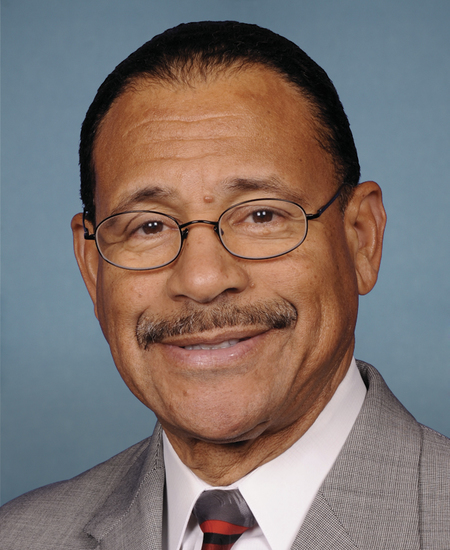
Rep. Sanford D. Bishop, Jr.
Sponsored bills
Maddy summaryHR 1269, the Healthy Meals Help Kids Learn Act of 2023, increases federal funding for school meals. It adds 45 cents per lunch and 28 cents per breakfast served by school food authorities (like school districts) starting July 1, 2023, covering all meal types (free, reduced-price, and full-price). The extra payments are adjusted annually beginning July 1, 2024, based on inflation. This directly affects schools serving meals under the National School Lunch and Child Nutrition programs, providing them with additional funding to support meal costs.
Maddy summaryThis bill expands the use of 529 college savings accounts to cover career training and credentialing costs. It allows funds to pay for tuition, fees, books, and testing expenses related to recognized postsecondary credential programs (like vocational certifications) that meet specific standards under the Workforce Innovation and Opportunity Act. The change directly affects workers seeking industry-recognized credentials - such as nursing certifications or IT certifications - instead of traditional degrees. It treats these expenses the same as traditional college costs for 529 account withdrawals, making it easier to save for career-focused training. The provision applies to expenses paid after the bill's enactment date.
Maddy summaryThis bill, titled misleadingly as the "Customs Business Fairness Act," is actually a narrow amendment to bankruptcy law, not customs policy. It modifies Section 507(d) of the Bankruptcy Code to exclude "subparagraph (F)" from certain debt treatment rules, affecting businesses filing for bankruptcy under Title 11 after the law's enactment. The amendment applies only to bankruptcy cases commenced after the bill becomes law, not to cases filed before it was enacted. This is a procedural change with no direct impact on customs operations or import/export regulations.
This resolution calls for the federal government to establish a national biodiversity strategy, which must include a goal of conserving at least 30% of U.S. lands and waters to protect biodiversity and address climate change by 2030 and other goals necessary to reduce the threats to biodiversity.
Long COVID Response is Care Optimized and Vitally Essential Resources that Yield New Opportunities for Wellness Act or the Long COVID RECOVERY NOW Act This bill establishes grants and requires actions to support treatment, research, and other efforts to address Long COVID (persistent, long-term symptoms following recovery from acute COVID-19 infection). Specifically, the bill establishes grants for treating individuals with Long COVID. These include grants for certain health clinics and primary care providers to treat patients, including by addressing food insecurity and other social needs that could interfere with treatment; health care providers or public health departments to set up or expand specialized clinics or programs using a multidisciplinary approach; and primary care providers to support the development of evidence and other resources related to treatments. The bill also establishes grants for Long COVID patient registries and research on Long COVID in pediatric populations. Additionally, the Office of the National Coordinator for Health Information Technology must convene stakeholders to identify best practices to make de-identified data related to Long COVID available to researchers. The office must also recommend policies for data standardization and related approaches to further a greater understanding of Long COVID. Further, the Department of Health and Human Services must (1) set up a website to educate health care providers and the public about Long COVID, and (2) issue guidance on ways to assist individuals with Long COVID through Medicaid and the Children's Health Insurance Program (CHIP). The bill also expands access for treating Long COVID through Medicaid, CHIP, and the Community Mental Health Services Block Grant.
This resolution supports the designation of National FFA Week. It also (1) recognizes the important role of the National FFA Organization (Future Farmers of America) in developing the next generation of leaders who will change the world, and (2) celebrates the 90th anniversary of the iconic FFA jacket.
Feral Swine Act This bill extends through FY2028 the feral swine eradication and control pilot program to respond to the threat feral swine pose to agriculture, native ecosystems, and human and animal health.
Maddy summaryThis bill amends the SNAP program to allow households with children under 18 who meet specific medical criteria to deduct their recurring medical expenses when calculating food assistance benefits. It expands the existing deduction for "elderly or disabled" members to include these medically vulnerable children, referencing criteria from the Social Security Act. The change simplifies the process for families seeking to reduce their SNAP income calculation by accounting for these medical costs. The policy takes effect October 1, 2023, directly benefiting low-income families caring for children with qualifying health conditions.
Maddy summaryThe Military Spouse Hiring Act expands the Work Opportunity Tax Credit to include military spouses. Employers who hire a spouse of an active-duty military member - certified by a local agency as meeting eligibility requirements on the hiring date - can claim this tax credit. The credit reduces the employer's federal tax liability for hiring such individuals. This provision applies to new hires after the bill's enactment date.