

Maddy summaryThis bill amends the Tariff Act of 1930 to restrict duty-free entry for low-value shipments (under $800) from specific countries. It directly affects importers of such goods originating from nonmarket economy countries or those on the U.S. Trade Act's priority watch list, requiring them to submit detailed documentation including origin, value, shipper, and importer information. The bill imposes $5,000 civil penalties for false submissions and adds procedures for handling detained merchandise, including 30-day response windows for importers. It becomes effective 180 days after enactment.
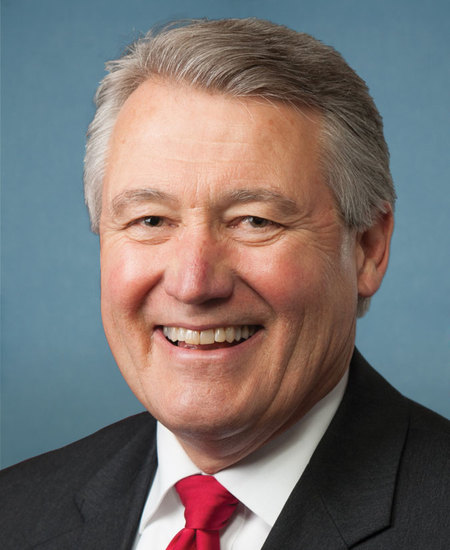
Rep. Rick W. Allen
Sponsored bills
Maddy summaryThis bill amends the tax code to create a special rule for deducting losses of uncut timber (timber not yet cut for sale) from disasters like fires, storms, pests, or drought. It requires taxpayers to base deductions on the timber's pre-loss appraised value minus salvage value, using a certified appraiser's assessment within one year. Crucially, taxpayers must reforest the affected area with hardwoods or softwoods within five years to keep the tax benefit; failure to reforest results in recapturing the deduction. The rule applies only to timber held for sale in an active business, excluding passive activities. This changes how businesses can claim tax deductions after timber losses while linking the benefit to reforestation efforts.
Maddy summaryHR 254, the American Science First Act, prohibits the National Science Foundation (NSF) from providing grants or funding to any entity affiliated with Chinese military-linked companies listed in U.S. government sanctions. It directly affects Chinese entities on specific federal lists, including those tied to military ownership or control, as defined by Export Administration Regulations and prior defense authorization acts. The bill’s key mechanism blocks NSF funding for research partnerships, joint ventures, or contracts involving these listed companies or their affiliates. This policy change restricts federal science funding access for targeted Chinese military-connected entities without altering broader NSF grant eligibility.
Maddy summaryThis proposed constitutional amendment would limit Members of Congress to serving a maximum of three terms in the House of Representatives or two terms in the Senate. It directly affects current and future members by preventing those who have already served the maximum terms from seeking re-election. Key provisions include counting vacancies filled for more than a year (House) or three years (Senate) as a full term toward the limit, while excluding terms served before ratification from the count. As a constitutional amendment proposal, it requires approval by three-fourths of state legislatures to become law.
Maddy summaryThis bill designates the U.S. Postal Service facility at 119 Main Street in Plains, Georgia, as the "Jimmy and Rosalynn Carter Post Office." It requires all federal references in laws, documents, or records to use this new name instead of the previous designation. The bill directly affects the postal facility and federal administrative records, but does not alter postal services, funding, or operations. This is a ceremonial naming resolution honoring former President Jimmy Carter and his wife, Rosalynn Carter.
Maddy summaryThis bill designates the U.S. Postal Service facility at 151 Highway 74 South in Peachtree City, Georgia, as the "SFC Shawn McCloskey Post Office." It requires all federal references to this location - including in laws, maps, regulations, and official documents - to be updated to the new name. This is a ceremonial naming resolution with no impact on postal services, operations, or funding.
This joint resolution proposes a constitutional amendment prohibiting total outlays for a fiscal year from exceeding total receipts for that fiscal year unless Congress authorizes the excess by a three-fifths roll call vote of each chamber. The prohibition excludes outlays for repayment of debt principal and receipts derived from borrowing. The amendment requires a three-fifths roll call vote of each chamber to increase the public debt limit. It prohibits a bill to increase revenue from becoming law unless it has been approved by a majority roll call vote of each chamber. The amendment also requires the President to submit an annual budget in which total outlays do not exceed total receipts. Congress may waive these requirements due to a declaration of war or a military conflict that causes an imminent and serious military threat to national security.
Maddy summaryThis bill requires physicians performing abortions to have hospital admitting privileges within 15 miles of the procedure location and to inform patients about nearby facilities for follow-up care if complications arise. It also sets conditions for abortion clinics receiving federal funds, mandating state licensing and compliance with outpatient surgery center standards (excluding certificate-of-need requirements). Violations by physicians could result in fines or up to two years in prison. The bill directly affects healthcare providers and clinics, not pregnant patients, and amends Title 18 of the U.S. Code to establish these requirements.
Maddy summaryThe Abortion Is Not Health Care Act of 2025 would amend the federal tax code to exclude abortion expenses from deductible medical costs on income tax returns. Specifically, it adds a provision stating that amounts paid for abortions cannot be included in the medical expense deduction under Section 213 of the Internal Revenue Code. This change would directly affect taxpayers who previously claimed abortion costs as deductible medical expenses. The provision would apply to taxable years beginning after the bill's enactment date.
Maddy summaryHR 45 (FIND Act) requires federal government contractors to certify they do not discriminate against firearm businesses (including manufacturers, dealers, and trade associations) in their policies or practices. The bill mandates that contractors and subcontractors (for contracts over 10% of the prime contract value) certify they have no discriminatory policies and will not adopt them during the contract term. Violations could lead to contract termination and potential debarment. This applies to all federal procurement contracts awarded after the bill's enactment, excluding sole-source contracts. The law aims to ensure firearm businesses are treated equally in government contracting without restricting legitimate business criteria like creditworthiness or legal compliance.