

Maddy summaryHR 1140 allows the Environmental Protection Agency (EPA) Administrator to temporarily waive certain environmental requirements for facilities processing "critical energy resources" (like essential energy sources with vulnerable supply chains) during national or energy security emergencies. The waiver, valid for up to 90 days (renewable), permits increased processing or refining at designated facilities to meet urgent security needs, without violating other environmental laws during the waiver period. Facilities operating under this waiver are protected from legal penalties for actions that would otherwise conflict with other environmental regulations. The bill applies specifically to energy resources critical to U.S. energy systems, as defined by the Secretary of Energy.
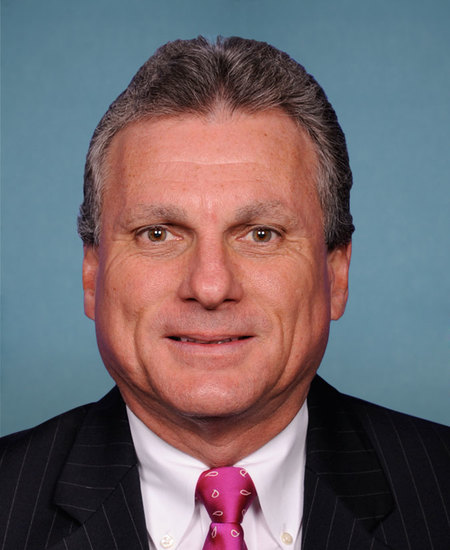
Rep. Earl L. "Buddy" Carter
Sponsored bills
Maddy summaryHR 1141, the Natural Gas Tax Repeal Act, repeals a specific provision (Section 136) of the Clean Air Act that established an incentive program for reducing methane emissions and waste in natural gas systems. This bill directly affects natural gas producers and operators who previously participated in or were subject to the methane emissions reduction program. The key mechanism is the removal of this incentive program, eliminating federal requirements and financial incentives related to methane waste reduction for the natural gas industry. The bill also rescinds unobligated funds allocated for this program. This is a policy change removing a regulatory incentive, not a tax repeal.
Maddy summaryHR 1070 creates a new interim permit process for owners or operators of critical energy resource facilities under the Solid Waste Disposal Act. This allows these facilities to operate under an interim permit while awaiting final EPA approval, streamlining permitting for projects involving critical energy resources. The bill defines "critical energy resource" as energy sources essential to U.S. energy systems with vulnerable supply chains (as determined by the Secretary of Energy), and "critical energy resource facility" as one processing or refining such resources. The interim permit must still be approved by the EPA Administrator, ensuring environmental oversight remains in place. This change directly affects energy infrastructure projects focused on securing critical supply chains.
Maddy summaryH.J. Res. 26 is a congressional disapproval resolution blocking the District of Columbia Council's approval of its Revised Criminal Code Act of 2022 (D.C. Act 24-789). It directly affects the District of Columbia by preventing the new criminal code from taking effect, as Congress disapproved the Council's action under the Home Rule Act. The resolution formally rejects the Council's enactment of the code, which was transmitted to Congress on January 27, 2023. This procedural action stops the District from implementing the revised criminal code without further congressional action.
Maddy summaryThe Dental and Optometric Care Access Act of 2023 (DOC Access Act) requires health insurance plans covering dental and vision care to allow providers (like dentists and optometrists) to charge patients the usual and customary rate for uncovered services, with a specific rule limiting dental cleanings to the network fee even if it exceeds annual coverage limits. It prohibits plans from restricting providers' choices of laboratories or suppliers for patient care. This law directly affects dental and vision care providers and the health insurance plans that offer these services. The bill establishes concrete billing and coverage standards to improve access to necessary dental and vision care.
Maddy summaryThis bill authorizes a Congressional Gold Medal to honor the "Hello Girls" - female telephone operators who served in the Army Signal Corps during World War I. They provided critical battlefield communications in France (connecting 26 million calls), wore military uniforms, and faced combat risks, but were denied veteran benefits for 60 years due to being classified as civilian contractors. The medal recognizes their pioneering service, devotion, and the decades-long struggle to gain military recognition. The award follows similar recognition for other WWII women veterans and aims to correct the historical injustice they faced.
Maddy summaryThe PHIT Act of 2023 allows individuals and families to deduct certain fitness expenses as medical costs on their federal taxes. It covers gym memberships, fitness classes, and specific equipment used exclusively for exercise (like home workout gear), with a yearly limit of $1,000 ($2,000 for joint returns). Expenses for activities like golf, hunting, or non-exercise-focused facilities (e.g., private clubs) are excluded, and equipment must be used solely for physical activity. This directly affects taxpayers who pay for qualifying fitness programs, making these costs partially tax-deductible under revised IRS rules.
Eliminating Backlogs Act of 2023 This bill increases the number of employment-based immigration visas available. The total number of additional visas made available under this bill shall be based on a formula relating to certain types of visas issued from FY1992-FY2021. These visas shall be available in FY2024 and in subsequent fiscal years until they are used. Furthermore, the yearly cap on the number of employment-based immigration visas that are made available to a single country shall not apply to the visas made available under this bill. (Generally, individuals from a single country may only receive up to 7% of such visas made available in a fiscal year.)
Preventing Violence Against Female Inmates Act of 2023 This bill establishes a framework to prohibit correctional institutions at the federal and state levels from housing inmates of one biological sex with inmates of the other biological sex.
Maddy summaryThis bill expands the use of 529 college savings accounts to cover career training and credentialing costs. It allows funds to pay for tuition, fees, books, and testing expenses related to recognized postsecondary credential programs (like vocational certifications) that meet specific standards under the Workforce Innovation and Opportunity Act. The change directly affects workers seeking industry-recognized credentials - such as nursing certifications or IT certifications - instead of traditional degrees. It treats these expenses the same as traditional college costs for 529 account withdrawals, making it easier to save for career-focused training. The provision applies to expenses paid after the bill's enactment date.