

Maddy summaryThis bill raises the mandatory minimum prison sentence for trafficking minors under 18 from the previous term to **not less than 25 years or life imprisonment** under federal law (18 U.S.C. § 1591). It directly affects individuals convicted of trafficking children, increasing penalties for this specific offense. The key mechanism is amending the existing sentencing provision to eliminate lower minimums and mandate these severe penalties. The bill focuses solely on strengthening criminal penalties for child trafficking, with no new funding or program requirements.
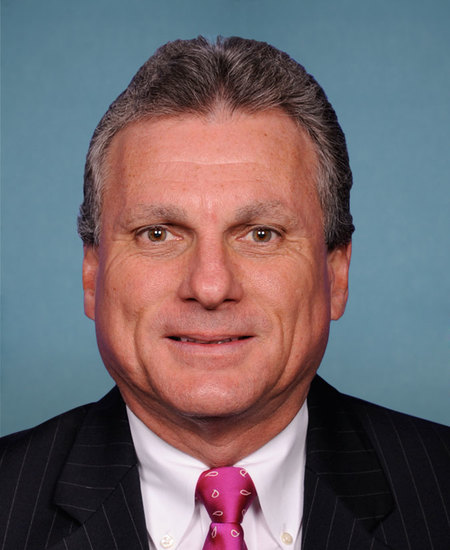
Rep. Earl L. "Buddy" Carter
Sponsored bills
Maddy summaryHR 5044, the Timber Innovation for Building Rural Communities Act, creates a federal platform to track carbon emissions and storage from forests and wood products, using data from USDA programs. It establishes grant programs to fund wood-building projects in rural areas with high unemployment, support wood-based construction education at colleges, and pilot innovative wood infrastructure projects like mass timber buildings in rural communities. The bill prioritizes projects that boost local jobs, reduce wildfire risks, and demonstrate economic benefits from wood products, requiring matching funds from non-federal sources. These grants, totaling up to $10 million annually per program, aim to strengthen rural economies tied to forestry while promoting wood as a carbon-friendly building material.
Maddy summaryHR 4739, the Protecting America’s Orchardists and Nursery Tree Growers Act, amends the Agricultural Act of 2014 to improve assistance for orchardists and nursery tree growers experiencing tree loss. It lowers the mortality threshold from 15% to "normal mortality," requires replacement activities within 12 months (or as needed for tree survival), and allows growers to use assistance for alternative replanting options like different tree varieties, stand densities, or locations - without exceeding the original assistance amount. The bill also excludes growers with 75%+ farming income from gross income limits and mandates the Secretary to notify applicants within 120 days of application status. This directly affects growers facing tree loss due to pests, disease, or other causes, streamlining program access and flexibility.
Maddy summaryHR 1435, the Preserving Choice in Vehicle Purchases Act, amends the Clean Air Act to restrict states from implementing vehicle emissions rules that limit the sale or use of new gasoline-powered cars. It directly affects states with stricter emissions standards (like California) by adding a new definition that blocks state rules "directly or indirectly" limiting internal combustion engine vehicles as defined in federal regulations as of January 1, 2023. The bill requires the EPA to revoke existing state emissions waivers granted between January 2022 and the bill’s enactment if they don’t comply with this new definition. This creates a concrete federal standard preventing states from advancing policies that could reduce demand for conventional vehicles.
Maddy summaryThe Humane Cosmetics Act of 2023 bans cosmetic animal testing in the United States, prohibiting companies from conducting or contracting such testing after its enactment (effective 1 year later). It also bans selling or transporting cosmetics developed using animal testing conducted after that date within U.S. interstate commerce. The law directly affects cosmetic manufacturers, retailers, and suppliers operating in the U.S. market, requiring them to use non-animal testing methods for safety evaluations. Exceptions exist for foreign regulatory requirements or when no alternative testing methods are available for specific ingredients.
Maddy summaryHRES 688 is a non-binding House resolution expressing support for designating September 16-23, 2023, as "National Estuaries Week." It highlights estuaries' critical role in the U.S. economy, noting they support 39% of jobs, 47% of economic output, and 68% of commercial fish by value. The resolution aims to raise public awareness about estuaries' ecological importance - such as providing habitat for fish, flood control, and carbon sequestration - and encourages efforts to protect and restore them. It does not create new laws or funding but symbolically acknowledges ongoing conservation work by federal, state, and community partners.
Maddy summaryHR 3152, the "Fight CRIME Act," aims to maintain international restrictions on Iran's missile-related activities by requiring diplomatic efforts to extend these restrictions before they expire in October 2023. The bill mandates annual reports detailing U.S. diplomatic strategies, potential impacts of expiration, and measures to deter missile technology transfers to Iran. It establishes sanctions against foreign individuals or entities that knowingly support Iran's missile or drone programs, including asset freezes and visa restrictions. These sanctions apply regardless of whether UN restrictions remain in effect after their expiration, directly affecting foreign entities involved in these activities.
Maddy summaryThis bill requires the Bureau of Prisons to develop and implement a strategy for scanning all incoming mail at federal prisons to stop fentanyl and other synthetic drugs from entering facilities. It directs the Bureau to evaluate existing scanning technology within 180 days and submit a detailed plan to Congress within 90 days, including how to provide digital copies of mail to inmates within 24 hours and physical copies within 30 days (if safe). The strategy must achieve 100% mail scanning capacity at all federal prisons, prioritize high-security facilities, and include a budget proposal for fiscal years 2024-2026. This directly affects federal prisons, inmates, and Bureau employees by changing mail processing procedures to enhance safety and reduce staffing burdens from manual mail checks.
This bill requires various changes to the passport application process and addresses related issues. The bill requires all U.S. regular passports to contain a written notice advising travelers (1) to check travel.state.gov for updated travel warnings, (2) to register with the Department of State prior to overseas travel, (3) that many countries deny entry to travelers whose passport expires within six months, and (4) to renew their passports within at least one year of the expiration date. Further, the bill makes permanent existing State Department authority to assess a surcharge on the passport application fee to cover the costs of increased demand prompted by certain legal requirements. This authority currently expires on September 30, 2026. For three years starting from this bill's enactment, the State Department may use direct hire authority to expedite the hiring of individuals into Passport and Visa Examining positions (Series 0967). Finally, the bill requires the Department of State to report to Congress about passport processing wait times, agency plans for a public outreach campaign, and related information.
Maddy summaryHR 5165, the Medicaid Staffing Flexibility and Protection Act of 2023, allows states to contract with outside agencies or contractors to handle Medicaid eligibility determinations and fair hearings, while preventing delays or denials of coverage for eligible individuals. States must ensure contractors have no financial ties to private Medicaid managed care organizations that serve Medicaid enrollees. The bill requires contractors to avoid incentives that would delay eligibility decisions or deny coverage to qualified applicants. This policy change directly affects state Medicaid programs and their contracted service providers, aiming to streamline processes without compromising access.