

Maddy summaryHRES 1358 is a resolution passed by the U.S. House of Representatives calling for accountability for Cuba's violations of internationally recognized human rights and its support for activities harming U.S. interests and democratic nations. It urges the U.S. government to maintain sanctions on Cuba until a democratic transition begins, seek Cuba's expulsion from the UN Human Rights Council, and retain Cuba on the State Sponsors of Terrorism list. The resolution also requires the State Department to submit biannual reports to Congress on efforts to promote democracy in Cuba and calls for action against the trafficking of Cuban medical personnel abroad. This resolution expresses congressional policy but does not create binding law.
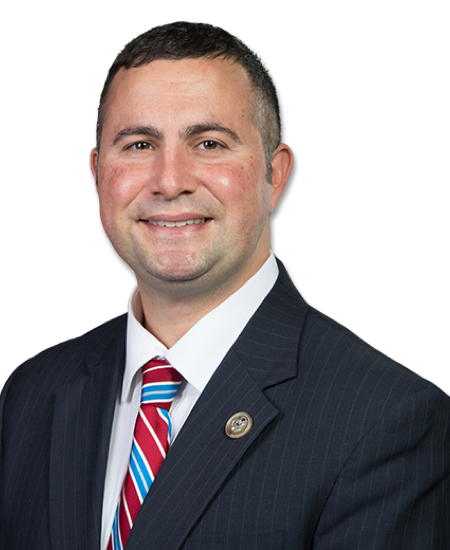
Rep. Darren Soto
Sponsored bills
Maddy summaryHRES 1355 is a non-binding resolution supporting the designation of July 10 as Journeyman Lineworkers Recognition Day. It honors lineworkers who maintain electrical infrastructure under hazardous conditions, including during disasters, and commemorates Henry Miller, the first president of the International Brotherhood of Electrical Workers, who died on July 10, 1896, while troubleshooting an electrical outage. The resolution encourages public recognition of these workers' contributions but does not create new laws or policies.
Maddy summaryHCONRES 118 is a symbolic congressional resolution recognizing the wage disparity faced by Black women in the U.S. It specifically highlights that Black women earn 69 cents for every dollar earned by White, non-Hispanic men, as noted in Census Bureau data. The resolution marks July 9, 2024, as Black Women’s Equal Pay Day to symbolize how long into 2024 Black women must work to earn what White men earned in 2023. It does not create new laws or policies but formally acknowledges this disparity and reaffirms congressional support for equal pay for equal work.
Maddy summaryHRES 1331 is a non-binding House resolution supporting Immigrant Heritage Month by recognizing immigrants' economic, cultural, and military contributions to the United States. It cites data showing immigrants contributed $1.9 trillion to the economy in 2021, made up 20% of entrepreneurs, and serve in critical roles like healthcare and agriculture. The resolution calls on elected officials, educators, and the executive branch to counter anti-immigrant rhetoric, educate the public about immigrant contributions, and protect immigrant communities. It does not create new legal obligations but aims to raise awareness and promote inclusion.
Maddy summaryHRES 1332 is a symbolic resolution recognizing June as LGBTQIA+ Pride Month. It encourages the celebration of Pride Month to honor the historical struggles and achievements of LGBTQIA+ people in the United States, while acknowledging the ongoing challenges they face. This resolution does not create new laws or policies, but serves as a formal recognition of LGBTQIA+ rights as human rights and highlights their integral role in American history. The resolution was introduced by multiple members of Congress and passed by the House of Representatives.
Maddy summaryThe SAFES Act creates a federal tax credit for individuals who purchase gun safes, allowing them to deduct 90% of the cost, up to $500 per person or $1,000 for joint returns. For purchases made before 2030, any qualifying gun safe qualifies; after 2029, only safes meeting standards set by the Secretary of Health and Human Services (HHS) will be eligible, based on an HHS report required within five years of enactment. The bill prohibits requiring taxpayers to disclose firearm ownership details to claim the credit. This policy directly affects individual firearm owners seeking to reduce tax liability through safe storage purchases.
Maddy summaryThe Fisheries Data Modernization and Accuracy Act of 2024 aims to improve recreational fishing data collection and management by modernizing the Marine Recreational Information Program (MRIP). It establishes a standing committee with the National Academies to advise on data collection methods and requires consultation when MRIP data has high uncertainty (PSE > 30%) for seasonal fisheries. The bill creates a grant program for states to develop their own recreational fishing data collection programs that can replace or supplement federal MRIP data, allowing states to use their own data for federal management decisions. States will be able to collect and use their own data for stock assessments and catch monitoring, with the goal of reducing data uncertainty and improving management decisions. The bill also includes provisions for stock assessment plans and fishery-independent surveys by independent entities to enhance data quality.
Maddy summaryThis bill expands eligibility for Veterans Affairs (VA) education benefits to include independent study programs offered by institutions already participating in federal student aid programs (like Pell Grants). It directly affects veterans using VA education benefits and qualifying educational institutions. The key change amends VA rules to count these independent programs as eligible for benefit coverage, effective August 1, 2024. This allows veterans to use their benefits for non-traditional education options, such as online or self-paced courses, at schools that meet federal financial aid requirements.
Maddy summaryThis bill creates a federal framework for "extreme risk protection orders" (ERPOs) that temporarily remove firearms from individuals who pose a risk of harming themselves or others. Family members or law enforcement officers can petition a federal court for a temporary order (up to 14 days) based on probable cause, followed by a hearing within 72 hours to determine if a longer-term order (up to 180 days) is warranted. The bill requires clear and convincing evidence of risk at the hearing and mandates respondents to surrender firearms to law enforcement within 48 hours. It also includes provisions for reporting, training law enforcement on ERPOs, and a federal grant program to support state ERPO implementation, without preempting state laws.
Maddy summaryHR 8732, the Domestic Workers Bill of Rights Act, would establish new labor protections for domestic workers including nannies, housekeepers, and caregivers who work in private homes. The bill requires written agreements between employers and domestic employees, provides earned sick days, ensures fair scheduling practices, and prohibits unfair wage deductions for cash shortages or communications. It also creates a Domestic Employee Standards Board to recommend workplace standards and establishes a National Domestic Employee Hotline for assistance. The bill specifically targets domestic workers who have historically been excluded from labor protections under the Fair Labor Standards Act and Civil Rights Act, benefiting an estimated 2.2 million domestic workers in the U.S. who are disproportionately women of color and immigrants.