

This resolution recognizes and appreciates the dedication and devotion demonstrated by the men and women of law enforcement. It also condemns calls to defund, disband, dismantle, or abolish the police.
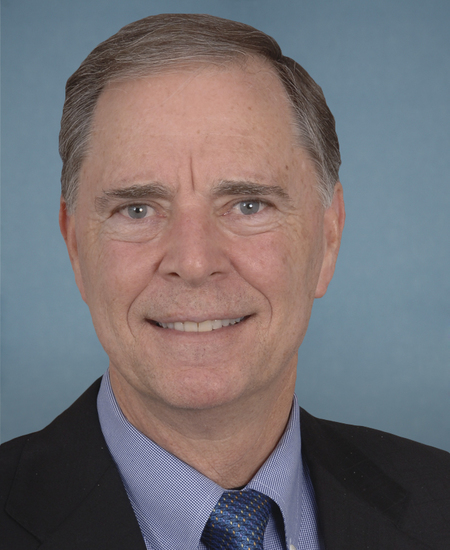
Rep. Bill Posey
Sponsored bills
This resolution expresses the sense of the House of Representatives that (1) the President should classify synthetic illicit fentanyl-related substances as weapons of mass destruction; and (2) illicit fentanyl, and illicit fentanyl-related substances, should be permanently placed in schedule I (i.e., as drugs, substances, or chemicals with no currently accepted medical use and a high potential for abuse).
Prohibiting Abortion Industry's Lucrative Loopholes Act This bill expands the prohibition on the sale or purchase of human fetal tissue in interstate commerce to include any payments associated with the transportation, implantation, processing, preservation, quality control, or storage of such tissue.
Protecting Life and Integrity in Research Act of 2023 This bill restricts research that uses human fetal tissue from an induced abortion. Specifically, it prohibits the Department of Health and Human Services from conducting or supporting such research. Additionally, the bill applies requirements on the research of transplantation of fetal tissue for therapeutic purposes to research on fetal tissue in general. The bill also prohibits soliciting or acquiring a donation of human fetal tissue from an induced abortion, other than for purposes of an autopsy or burial.
Maddy summaryThis bill would prohibit the FDA from approving new abortion medications or investigational uses of existing ones. It would restrict currently approved abortion drugs to in-person administration only in clinics, hospitals, or medical offices by certified providers who can handle complications like ectopic pregnancy or severe bleeding. The law requires detailed adverse event reporting (excluding patient identifiers) to the FDA by both manufacturers and prescribers, and mandates provider certification covering pregnancy assessment, surgical intervention capabilities, and patient safety documentation. These provisions apply directly to healthcare providers, patients seeking medication abortions, and manufacturers of abortion drugs.
Maddy summaryHJRES 22 disapproves a rule issued by the Department of Commerce that established procedures for temporarily suspending the payment of import duties under a specific presidential proclamation. The rule, published in the Federal Register (87 Fed. Reg. 56868), would have allowed delays in paying duties on certain imported goods. By passing this resolution, Congress nullifies the rule, preventing the Department of Commerce from enforcing it. This directly affects the Department's ability to manage duty suspensions for imports covered by the proclamation.
Maddy summaryThe Educational Choice for Children Act creates tax credits for individuals and corporations that contribute to scholarship granting organizations providing education scholarships. Individuals can claim a credit up to $5,000 or 10% of their income, while corporations can claim up to 5% of taxable income. The scholarships are available to students from households with income up to 300% of the area median income, and can be used for private school tuition, tutoring, and other educational expenses at elementary and secondary schools. The bill includes strict requirements for scholarship organizations to verify income, conduct audits, and prevent misuse of funds, while also prohibiting government control over these organizations and protecting private and religious schools from discrimination in the program. It establishes a $10 billion annual cap on the total tax credits available.
Maddy summaryHR 526, the Health Freedom for All Act, prohibits the Occupational Safety and Health Administration (OSHA) from issuing emergency temporary standards requiring employers to mandate COVID-19 vaccination or testing for employees. This bill directly affects private-sector employers covered by OSHA’s emergency rulemaking authority, preventing new mandates after September 23, 2021. The key provision amends the OSH Act to explicitly ban such requirements in emergency temporary standards, making any rules issued after that date unenforceable. The bill does not affect existing rules issued before September 23, 2021, or permanent workplace safety standards. It focuses solely on blocking specific emergency measures related to pandemic health protocols.
Maddy summaryThis bill prohibits all federal funding from being provided to EcoHealth Alliance, Inc. and its directly controlled subsidiaries, related organizations, or subgranted entities. It directly affects EcoHealth Alliance by cutting its access to federal grants, contracts, or other funding sources. The bill also requires the Government Accountability Office (GAO) to study and report on all federal funds provided to EcoHealth Alliance - whether intentionally or accidentally - to Chinese entities like the Wuhan Institute of Virology or the Chinese Communist Party, during the prior decade. The report must detail these funds and include any related agreements involving foreign entities. The bill focuses on restricting funding flows and requiring transparency, not on policy outcomes or advocacy.
Maddy summaryThis bill requires healthcare providers to give the same medical care to infants born alive during abortions as they would to any newborn, and to immediately admit such infants to a hospital. It mandates reporting of non-compliance to law enforcement and imposes penalties including up to 5 years in prison for violations. Women who undergo abortions can file civil lawsuits seeking money damages for injuries, three times the abortion cost, and punitive damages if care standards are not met. The bill also clarifies that abortion includes intentionally killing an unborn child or terminating pregnancy without specific exceptions (e.g., after viability to preserve life or removing a dead fetus).