

Maddy summaryHR 7361, the Flowers for Fallen Heroes Act of 2024, requires the American Battle Monuments Commission to establish a low-cost program allowing the public to order flowers for military gravesites at Commission-managed cemeteries. The bill mandates the Commission to partner with third-party florists (without excess fees) and create a user-friendly website and phone system for ordering by one year after enactment. It also authorizes credit card and electronic payment processing for these orders, with customers responsible for any third-party processing fees, and requires annual reports to Congress detailing program implementation, including order data and florist engagement. This bill directly affects the public seeking to honor fallen service members and the Commission’s operations at 25 overseas military cemeteries.
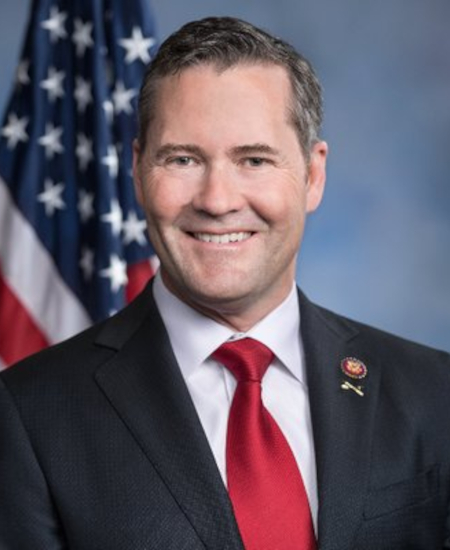
Rep. Michael Waltz
Sponsored bills
Maddy summaryThe Uyghur Policy Act of 2023 establishes a U.S. Special Coordinator for Uyghur Issues within the State Department to coordinate policy and advocate for the protection of Uyghur cultural, religious, and linguistic identity in Xinjiang. It authorizes $250,000 annually for Uyghur human rights advocates to speak at public diplomacy events in Muslim-majority countries and mandates Uyghur language training for U.S. diplomats. The bill also directs the U.S. government to support United Nations monitoring of Xinjiang human rights issues and oppose efforts to block discussions of Xinjiang at the UN. These provisions focus on diplomatic advocacy and information-sharing, not direct sanctions or enforcement actions against China.
Maddy summaryHR 7450, the Protecting Privacy in Purchases Act, prohibits payment card networks and covered entities (like payment processors) from requiring or assigning merchant category codes that specifically identify firearms retailers as different from general stores or sporting goods retailers. This directly affects firearms retailers and payment networks by preventing them from using business classification codes that could flag firearm sales. The bill establishes an enforcement process where the Attorney General investigates complaints, issues remediation notices, and can seek court injunctions for non-compliance, while preempting state or local laws on this issue. It does not create private lawsuits for individuals.
Maddy summaryHR 7401, the Contract Our Veterans Act of 2024, requires the Department of Defense to set annual contracting goals for small businesses owned and controlled by veterans (including service-disabled veterans) in defense procurement. It mandates that these goals match the existing governmentwide targets for service-disabled veteran-owned businesses under the Small Business Act. The bill allows contracting officers to use sole-source awards or restricted competition for these businesses if they meet specific criteria, such as being listed in a federal database and offering best value to the government. This directly affects Department of Defense contractors and veteran-owned small businesses seeking federal contracts.
Maddy summaryHR 7366 requires U.S. Customs and Border Protection (CBP) to publish monthly border encounter data on its public portal by the 7th of each month. This affects CBP directly, as it mandates the timely release of data on encounters at the border during the previous month. The bill also includes a penalty: if CBP misses this deadline, funding for the Office of the Secretary of Homeland Security is reduced by 25% for the following month. The law focuses on ensuring transparency in border data reporting through specific deadlines and financial consequences.
Maddy summaryHRES 966 is a symbolic resolution condemning alleged sexual violence committed by Hamas during its October 7, 2023, attack on Israel. It specifically references eyewitness accounts, forensic evidence, and Hamas fighters' admissions of ordering gang rape, sexual mutilation, and assault against Israeli civilians. The resolution calls for international condemnation of such acts as weapons of war, urges nations to criminalize sexual violence, and supports investigations into Hamas' actions. As a non-binding resolution, it does not create new laws or directly affect any individuals but formally expresses the House's position on the issue.
Maddy summaryHR 7310, the Flood Risk Transparency for Homebuyers Act, requires the Department of Housing and Urban Development (HUD) to disclose specific flood risk information when selling certain foreclosed properties. It mandates that HUD provide homebuyers with the estimated monthly flood insurance cost for the property's ZIP code and whether the property is classified as a "severe repetitive loss property" (a property that has flooded multiple times). The bill applies only to HUD-owned 1-to-4 unit residential properties in flood zones acquired through FHA-insured foreclosures. Additionally, HUD and FEMA must submit an annual report to Congress detailing flood insurance claims filed on these sold properties. This law aims to improve transparency about flood risks for buyers of these specific HUD properties.
Maddy summaryHR 7248, the FDA Modernization Act 3.0, creates a new FDA process to qualify alternative nonclinical testing methods that can replace or reduce animal testing in drug development. Drug developers can request qualification for methods that improve safety/efficacy predictivity or shorten development time, with the FDA required to review requests within 180 days. If qualified, these methods allow expedited FDA review of drug applications and enable referencing the qualified method in submissions. The bill mandates annual reports tracking qualified methods, animal use reduction, and application approvals, with transparency requirements for Congress. This directly affects pharmaceutical companies and biotech firms developing new drugs.
Maddy summaryThis bill amends the Tariff Act of 1930 to require the Treasury Secretary to remove personally identifiable information (such as Social Security numbers and passport numbers) from shipping manifests before they are made publicly available. It directly affects importers and customs brokers who submit shipment data, as their records will no longer include sensitive personal details in public-facing documents. The law mandates this removal for all manifests signed, produced, delivered, or transmitted electronically, with two limited exceptions: if disclosure poses a threat of personal injury or property damage (determined per shipment), or if the information is already exempt under existing Freedom of Information Act provisions. The changes take effect 30 days after enactment (February 9, 2024).
This resolution expresses the sense of the House of Representatives that former President Trump did not engage in insurrection or rebellion against, nor give aid or comfort to the enemies of, the United States.