

Maddy summaryHR 1507, the U.S. Citrus Protection Act, bans the importation of commercially produced fresh citrus fruit from China into the United States. This directly affects Chinese citrus exporters and U.S. importers or businesses that handle such products. The bill prohibits these imports starting 90 days after it becomes law, with no exceptions specified. It creates a clear policy change by restricting a specific agricultural import without additional regulatory mechanisms.
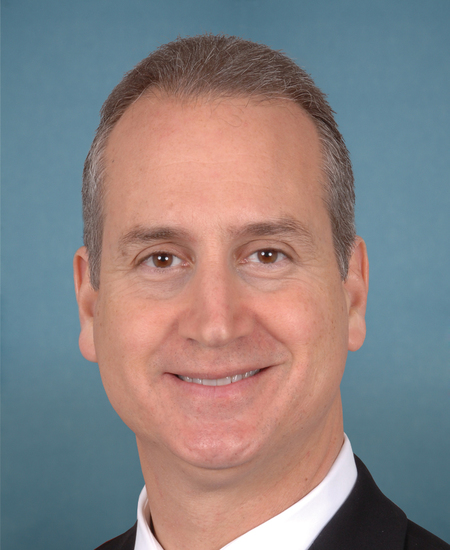
Rep. Mario Diaz-Balart
Sponsored bills
Maddy summaryThis bill extends a temporary tax provision for distilled spirits in Puerto Rico and the U.S. Virgin Islands. It amends the tax code to change the end date for a reduced tax coverage limit from January 2022 to January 2032. The change applies to distilled spirits imported into these territories after December 31, 2021. This directly affects businesses and consumers involved in the distilled spirits market in Puerto Rico and the Virgin Islands by maintaining the lower tax rate for a longer period.
Maddy summaryHR 1301, the Death Tax Repeal Act, would eliminate the federal estate tax and generation-skipping transfer tax for estates of individuals dying on or after its enactment date. It directly affects individuals inheriting significant assets, as it removes taxes on estates exceeding $10 million (adjusted for inflation) and repeals taxes on large transfers between generations. The bill modifies the gift tax by establishing a $10 million lifetime exemption with annual inflation adjustments, replacing previous tax brackets. It applies to estates, gifts, and transfers occurring on or after the bill's effective date.
Maddy summaryThe SASS Act (HR 1334) creates a single application process for two federal school safety grant programs: one administered by the COPS Office and the other by the Bureau of Justice Assistance (BJA). Schools and school districts seeking funding for safety improvements will no longer need to submit separate applications for these programs. The bill requires the COPS Office and BJA to provide technical assistance to help applicants complete the unified application. This change reduces administrative burden for schools applying for safety grants under these programs.
Maddy summaryThe EAGLES Act of 2025 reauthorizes and expands the Secret Service's National Threat Assessment Center (NTAC), directing it to lead national efforts in preventing targeted violence, particularly in schools. It mandates the NTAC to provide training, research, and consultation on evidence-based threat assessment programs for schools, law enforcement, and mental health professionals, with a focus on early intervention for students showing concerning behavior. The bill allocates $10 million annually (2026-2030) for these programs, requires hiring specialists in child psychology and school threat assessment, and mandates annual reports to Congress on training reach and effectiveness. This directly affects K-12 schools, local educational agencies, and public safety officials by establishing standardized protocols to prevent violence before it occurs.
Maddy summaryHR 1269, the Honoring Our Fallen Heroes Act of 2025, expands benefits for public safety officers (like police and firefighters) who develop certain cancers linked to their work. It adds 22 specific cancers - including lung, mesothelioma, and breast cancer - to the list of conditions presumed to be "exposure-related" and sustained in the line of duty. This presumption applies if the officer served at least 5 years, was diagnosed with the cancer within 15 years after last active duty, and the cancer directly caused death or permanent disability. The bill also establishes a process for adding new cancers every 3 years based on medical evidence from agencies like NIOSH, and allows claims to be filed within 3 years of the law's enactment.
Maddy summaryThis bill creates a 10% tax credit for businesses that modernize or replace freight railcars, directly affecting railcar owners and manufacturers. To qualify, railcars must meet an 8% improvement standard in capacity or fuel efficiency, be built or modernized after enactment, and replace two scrapped railcars. The credit is limited to 1,000 qualified railcars per business annually, with reporting requirements for the Treasury to track claimed credits, scrapped railcars, and new railcar production. The credit applies to railcars placed in service after December 2024, ending three years after enactment.
This bill prohibits the Big Cypress National Preserve in Florida from being designated as wilderness or as a component of the National Wilderness Preservation System. The National Park Service currently manages Big Cypress National Preserve, which is a freshwater swamp ecosystem of 729,000 acres. In general, development activities, commercial activities, permanent structures, and roads are prohibited in wilderness areas. In contrast, natural preserves typically allow some development activities, such as hunting or oil and gas exploration.
Maddy summaryThis bill permanently extends the New Markets Tax Credit (NMTC), a federal tax incentive that encourages private investment in low-income communities. It directly affects community development entities (CDEs) that channel capital into underserved neighborhoods for projects like housing, healthcare, and businesses. Key provisions include permanently extending the credit beyond 2025, adding annual inflation adjustments to the credit amount starting in 2026, and ensuring the credit isn't reduced by the alternative minimum tax for investments made after December 2024. The changes apply to taxable years beginning after December 2024, providing long-term stability for community development financing.
Defending Domestic Orange Juice Production Act of 2025 This bill requires finished pasteurized orange juice to contain at least 10% by weight of orange juice soluble solids, exclusive of the solids of any added optional sweetening ingredients. (Current regulations require at least 10.5% by weight of orange juice soluble solids.)