

Maddy summaryHR 7921, the Countering Antisemitism Act, establishes a National Coordinator to Counter Antisemitism within the Executive Office of the President and creates an Interagency Task Force to coordinate federal efforts against antisemitism across multiple agencies. The bill requires federal agencies to report on implementing the U.S. National Strategy to Counter Antisemitism, mandates annual threat assessments of antisemitic violent extremism from the FBI, DHS, and National Counterterrorism Center, and addresses antisemitic discrimination in higher education through a designated Office for Civil Rights Designee. It also includes provisions for a study on Holocaust education by the U.S. Holocaust Memorial Museum, a study on online antisemitism with recommendations for Congress, and amendments to the Nonprofit Security Grant Program to require public reporting on grant applications and awards.
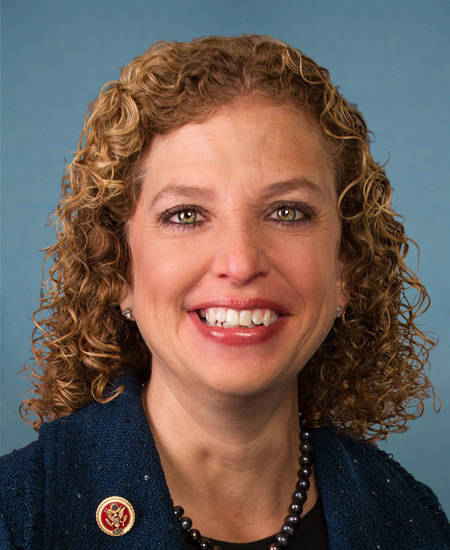
Rep. Debbie Wasserman Schultz
Sponsored bills
Maddy summaryThis bill reauthorizes a federal grant program to improve swimming pool and spa safety, targeting states, Indian Tribes, and qualifying nonprofits (501(c)(3) organizations with pool safety experience). It requires applicants to already have state or tribal laws meeting minimum safety standards for pools built after a certain date. Grant funds must be used for at least 25% on hiring/inspecting drain covers and enforcement, with the remainder for public education on drowning prevention - prioritizing underserved, rural, or minority communities with higher drowning rates. The program is funded at $5 million annually from 2024-2028, with recipients required to submit annual reports on grant use and effectiveness.
Maddy summaryThe Pink Tax Repeal Act prohibits businesses from charging different prices for substantially similar consumer products or services based on the gender of the intended users. It defines "substantially similar" as having no meaningful differences in materials, use, or design - meaning color alone (e.g., pink vs. blue packaging) cannot justify price differences. The Federal Trade Commission would enforce this under existing laws, and state attorneys general could also sue companies for violations on behalf of residents. This directly affects consumers who pay higher prices for identical or nearly identical items marketed to a specific gender, such as women’s razors or clothing.
Maddy summaryHRES 1109 is a symbolic resolution commemorating the 1913 Woman Suffrage Procession in Washington, DC, where suffragists led by Alice Paul and Inez Milholland marched to demand voting rights for women. It honors the participants' courage during a protest that drew 500,000 spectators despite violent opposition, highlighting how this event advanced the national push for the 19th Amendment. The resolution does not create new laws but reaffirms support for voting rights equality, connecting the 1913 march to ongoing efforts to protect democratic access. It specifically acknowledges the intersectional struggles of women of color in the suffrage movement. As a commemorative resolution, it has no binding policy effect.
Maddy summaryHR 7801, the Sultana Steamboat Disaster Commemorative Coin Act of 2024, authorizes the U.S. Mint to produce commemorative coins honoring the 1865 Sultana steamboat disaster - the worst maritime disaster in U.S. history, which killed nearly 1,200 people. The bill specifies three coin types ($5 gold, $1 silver, and half-dollar clad) to be minted between January 1, 2027, and December 31, 2027, with surcharges from sales directed to the Sultana Historical Preservation Society for museum development and artifact preservation. The coins will be sold at face value plus surcharges ($5-$35 per coin), and the funds must support constructing a museum, exhibits, and preserving disaster-related history. This bill does not create new laws but enables commemorative coin sales to fund a specific historical preservation effort.
Maddy summaryHR 7799, the CATCH Act, requires the U.S. Department of Justice to submit annual reports to Congress on prosecutions related to firearms trafficking to the Caribbean. The bill mandates detailed reporting on investigations, prosecutions, firearm types, transportation methods, and coordination with Caribbean law enforcement partners like CARICOM's Crime Gun Intelligence Unit. It directly affects Caribbean nations (such as Haiti, Jamaica, and the Bahamas) where U.S.-sourced firearms fuel violence and migration, and U.S. agencies prosecuting these cases. The law aims to strengthen oversight of the existing Coordinator for Caribbean Firearms Prosecutions without altering current prosecution authorities.
Maddy summaryThis bill is a procedural naming resolution that designates a specific U.S. Postal Service facility in Key West, Florida (at 400 Whitehead Street) as the "Jimmy Buffett Post Office Building." It directly affects the postal facility and all official references to it in government documents. The key provision requires all federal laws, maps, regulations, and records to update their references to this location to the new name. This is a symbolic honorific designation with no policy or funding changes.
Maddy summaryThe AADAPT Act reauthorizes and expands the Project ECHO grant program to specifically address Alzheimer's disease and dementia care. It provides $1 million annually (2026-2031) for grants to eligible health care entities - such as rural clinics, tribal organizations, or community health centers - to develop online training programs for primary care providers working in underserved areas (including rural, frontier, or medically underserved communities). These programs aim to improve provider retention, increase early diagnosis of dementia, and enhance quality care. The bill requires grantees to report on outcomes and ensures funding supplements, rather than replaces, existing resources.
Maddy summaryHR 6831, the VERDAD Reauthorization Act, extends existing U.S. sanctions and restrictions on Venezuela until December 31, 2025. It modifies four separate laws (the Russian-Venezuelan Threat Mitigation Act, Venezuelan Arms Restriction Act, Venezuela Emergency Relief Act, and Venezuela Defense of Human Rights Act) by updating their expiration dates from 2023 to 2025. The bill does not create new policies but ensures current measures remain in effect. This directly affects U.S. foreign policy enforcement toward Venezuela, maintaining economic restrictions and arms limitations. The key change is simply extending the sunset dates for these existing provisions.
Maddy summaryThe Protecting Students on Campus Act of 2024 requires colleges and universities receiving federal funds to prominently display links to file discrimination complaints (based on race, color, or national origin) on their websites and post annual awareness materials about Title VI rights in high-traffic campus locations. It mandates schools to submit annual reports detailing discrimination complaints received, their analysis, and actions taken. The bill also prevents the Department of Education’s civil rights office from dismissing complaints resolved through school internal processes. These requirements aim to improve transparency and accessibility for students reporting discrimination, directly affecting all institutions of higher education receiving federal funding.