

Humane and Existing Alternatives in Research and Testing Sciences Act of 2022 [ sic ] or the HEARTS Act of 2022 [ sic ] This bill establishes a center within the National Institutes of Health (NIH) and requires other activities to promote alternatives to using animals in research and testing. The duties of the center include developing nonanimal research models (e.g., advanced cell cultures and advanced imaging systems) and training scientists about the methods. Additionally, if a federal department or agency or federally funded research entity uses animals for research and testing, it must develop and update plans for reducing such uses and periodically report on the number and types of animals that they use to the center. The center must establish a standard process for entities to submit and update their plans and reports and for making the plans and reports publicly available. The NIH must also provide incentives for the use of nonanimal research and generally ensure that nonanimal alternatives are considered when reviewing and approving research applications and proposals. Further, NIH applications for research grants must include an assurance that nonanimal methods for carrying out the research are unavailable.
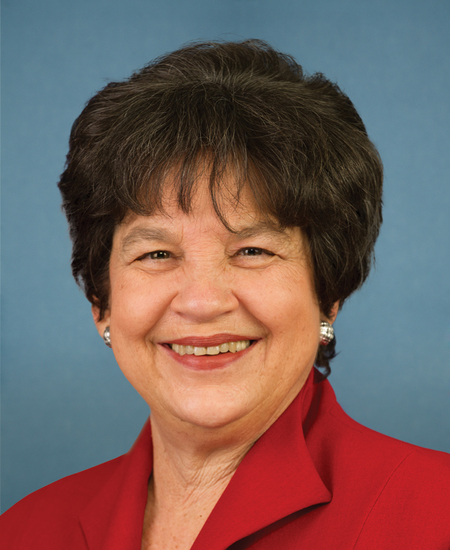
Rep. Lois Frankel
Sponsored bills
Maddy summaryHR 1088, the Shirley Chisholm Congressional Gold Medal Act, authorizes a posthumous Congressional Gold Medal to honor Congresswoman Shirley Chisholm, the first African-American woman elected to Congress (1968) and the first Black candidate for a major party's presidential nomination (1972). The bill directs the Treasury Secretary to design and strike a gold medal featuring Chisholm's image, which will be presented by Congress and then permanently displayed at the Smithsonian Institution. Duplicate bronze medals may be sold to the public to cover production costs, with proceeds deposited into the U.S. Mint fund. This bill commemorates Chisholm's legacy and achievements without creating new laws or affecting any current policies.
Maddy summaryHR 1078, the Veteran Education Empowerment Act, establishes a federal grant program to help colleges and universities create or improve dedicated Student Veteran Centers. The bill authorizes up to $500,000 per institution over four years for centers providing lounge space, benefits counseling, academic support, and peer mentorship specifically for veterans, active-duty service members, and their families. Eligible institutions must serve a significant veteran population and demonstrate long-term sustainability. The program requires annual reporting on center usage, veteran demographics, and outcomes like degree completion, with the Department of Education mandated to share best practices via a public website. This directly supports veterans navigating higher education challenges like transition difficulties and isolation.
Heart Health Enhancement through Access to Research and Training Act This bill authorizes grants for continuing medical education programs for physicians on preventing, identifying, and treating cardiovascular disease in women. The Department of Health and Human Services may award the grants to hospitals, public health departments, medical or other health professional schools, or other eligible entities.
Maddy summaryThe HELP Copays Act (HR 830) changes how health insurance plans calculate patient cost-sharing. It requires that payments made by third parties (like pharmacies, charities, or discount programs) toward medical costs count toward a patient's deductible, copay, or out-of-pocket limit. This directly affects insured individuals who receive financial assistance, discounts, or product vouchers for healthcare expenses. The law ensures these external payments reduce the patient's actual out-of-pocket costs more quickly, aligning with existing Affordable Care Act and Public Health Service Act requirements.
Maddy summaryThis bill authorizes a single Congressional Gold Medal to honor all U.S. Army Dustoff crews who served during the Vietnam War (1962-1973). It recognizes their critical role in evacuating nearly 900,000 wounded personnel, including U.S., South Vietnamese, and allied forces, under extreme combat conditions. The medal, designed with input from the Secretary of Defense, will be presented to the U.S. Army Medical Department Museum for permanent display. Duplicate bronze medals may be sold to cover costs, but the primary action is the commemorative recognition of these crews' service.
Maddy summaryThe Pregnant Women in Custody Act establishes new standards for care of pregnant women in correctional facilities across federal, state, tribal, and local systems. It prohibits using restrictive housing for pregnant women from confirmed pregnancy through 12 weeks after delivery (with limited exceptions), requires facilities to provide comprehensive healthcare services including prenatal and postpartum care, and mandates data collection about the health needs of incarcerated pregnant women. The bill also requires staff training on proper treatment, establishes protocols for unexpected childbirth, and mandates transfer of women with high-risk pregnancies to facilities with appropriate medical care. These provisions aim to improve health outcomes for both mothers and infants by addressing gaps in care for incarcerated pregnant women.
Maddy summaryHR 987 authorizes the U.S. Mint to produce commemorative coins honoring Golda Meir, Israel's first female Prime Minister, and the 75th anniversary of U.S.-Israel relations. It specifies three coin types: $5 gold coins (max 50,000), $1 silver coins (max 400,000), and half-dollar clad coins (max 750,000), with detailed weight and composition requirements. All coins will include Golda Meir's image, her name, and commemorative inscriptions, and will be sold during 2026. A surcharge ($35 for $5 coins, $10 for $1 coins, $5 for half-dollars) will be paid to the American Friends of Kiryat Sanz Laniado Hospital Inc. to support its hospital operations.
Maddy summaryHR 782 prohibits state officials from interfering with abortion services provided across state lines. It specifically blocks states from restricting: (1) out-of-state patients traveling for legal abortions, (2) providers offering such services, (3) assistance for travel or care, or (4) the interstate shipment of FDA-approved abortion drugs. The bill allows the federal Attorney General or affected individuals to sue violators for injunctions, damages, and attorney fees. It directly affects patients seeking care in other states, healthcare providers, transportation services, and pharmacies handling FDA-approved abortion medications. The law focuses on preventing state laws from blocking access to legally permitted abortion services.
Maddy summaryThis resolution (HRES 120) supports designating February 2023 as "National Teen Dating Violence Awareness and Prevention Month." It urges schools, communities, and families to use this month for educational activities promoting healthy relationships and preventing teen dating violence, which affects many young people (e.g., 44.3% of teens experienced violence per CDC data). As a symbolic resolution, it does not create new laws or funding but aims to raise public awareness about a public health issue impacting teens nationwide.