

Maddy summaryHR 3792 extends U.S. security funding for Israel through 2028 (Section 3) and expands energy cooperation to include advanced nuclear technologies and carbon capture (Section 5). It requires annual reports on regional security partnerships involving Israel (Section 6) and ensures countries in the Abraham Accords can access U.S. development programs (Section 8). The bill also mandates reports on diplomatic efforts against ICC investigations targeting the U.S. and Israel (Section 10) and encourages people-to-people programs to strengthen the Abraham Accords (Sections 7, 9). These provisions directly affect Israel’s diplomatic engagement, security partnerships, and economic cooperation in the Middle East.
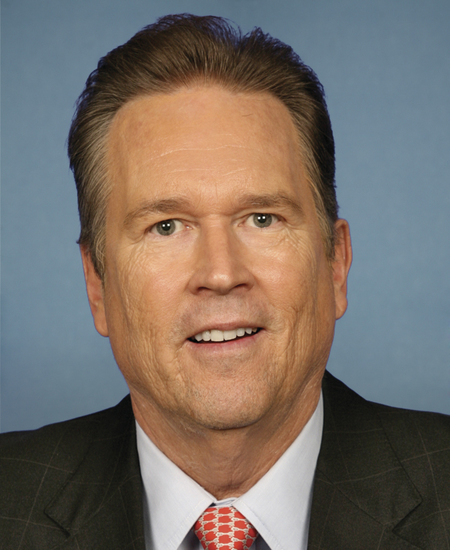
Rep. Vern Buchanan
Sponsored bills
Maddy summaryThe Disaster Assistance Fairness Act helps condominiums and housing cooperatives (types of residential common interest communities) access federal disaster aid more easily after major disasters. It requires the President to issue rules allowing debris removal from these communities when state or local officials determine the debris threatens safety, health, or economic recovery. The bill also expands federal funding to cover repairs of essential shared areas (like roofs, elevators, and electrical systems) in these communities, provided owners can document their share of costs. This change applies to disasters declared after the bill's enactment.
Maddy summaryThe HALT Fentanyl Act expands the definition of fentanyl-related substances in the Controlled Substances Act to include many structurally similar compounds, making it easier to regulate new fentanyl analogs without individual listing. It defines these substances based on specific chemical modifications to fentanyl, with limited exceptions for substances already controlled or listed elsewhere. The bill also streamlines research procedures for schedule I substances by creating expedited registration processes and allowing multiple studies under one registration, while requiring the Attorney General to publish a list of substances meeting the new definition.
Federal Initiative to Guarantee Health by Targeting Fentanyl Act This bill places fentanyl-related substances as a class into schedule I of the Controlled Substances Act. A schedule I controlled substance is a drug, substance, or chemical that has a high potential for abuse; has no currently accepted medical value; and is subject to regulatory controls and administrative, civil, and criminal penalties under the Controlled Substances Act. Additionally, the bill prohibits the application of a mandatory minimum prison term for certain drug offenses involving fentanyl-related substances.
Maddy summaryHR 3176, the Veterans Health Care Freedom Act, creates a 3-year pilot program allowing eligible veterans (enrolled in VA care) to choose any provider within the VA healthcare system or approved non-VA facilities, removing prior location restrictions for VA care. Veterans can select primary and specialty care providers freely, with VA coordinating care through a designated primary provider. After the pilot, these expanded choices become permanent policy, requiring the VA to offer full provider selection without geographic or administrative barriers. The bill implements these changes using existing VA funding without new appropriations.
Maddy summaryThis bill requires the Treasury Secretary to report quarterly on foreign countries imposing "extraterritorial" or "discriminatory" taxes targeting U.S. businesses. It mandates progressively higher tax rates (starting at 5% and increasing to 20% over time) on income and payments from foreign individuals and corporations in those countries. The U.S. government can also restrict federal procurement from such entities and consider these taxes in trade negotiations. These measures directly affect foreign businesses operating in the U.S. or conducting transactions with U.S. entities. The policy aims to counter foreign tax policies that the U.S. views as unfair under international tax norms.
Small Business Growth Act This bill increases from $1 million to $2 million to the limitation on expensing of depreciable business assets. It also increases the asset threshold amount used to reduce the expensing limitation.
Maddy summaryHR 3537 authorizes the minting of commemorative coins to mark the 100th anniversary of the U.S. Foreign Service, established by the 1924 Rogers Act. The bill specifies three coin types ($5 gold, $1 silver, and half-dollar clad) with limited mintage (50,000 gold, 400,000 silver, 750,000 half-dollars) to be issued in 2025, featuring designs honoring diplomatic history. A surcharge on each coin sale ($35 for gold, $10 for silver, $5 for half-dollars) will fund the Association for Diplomatic Studies and Training (ADST) to support its oral history program and diplomatic preservation efforts. The coins will be legal tender, sold at cost-plus-surcharge, with all revenue directed to ADST per the bill's provisions.
Maddy summaryThe FIGHT Act (HR 2742) amends the Animal Welfare Act to specifically target animal fighting events, such as cockfighting, by defining "rooster" as any male chicken over six months old and banning the live broadcasting (simulcasting) of such events. It prohibits using the postal service or interstate transport to move roosters for animal fighting purposes and adds civil enforcement tools allowing citizens to sue violators after a 60-day notice period. Fines up to $5,000 per violation may be imposed, and property used in animal fighting ventures can be seized. These changes strengthen enforcement against animal fighting by expanding legal remedies for the public and authorities.
Maddy summaryThe PAST Act of 2023 amends the Horse Protection Act to ban specific devices used to cause pain (soring) in horses at shows, particularly affecting Tennessee Walking Horses, Racking Horses, and Spotted Saddle Horses. It defines prohibited "action devices" (like boots or chains causing friction) and requires licensed, conflict-free inspectors at events to enforce rules. The bill increases penalties for violations to up to $5,000 fines or 3 years in jail, and mandates longer disqualifications for repeat offenses (180 days → 1 year → 3 years). Horse show organizers, exhibitors, and participants must comply with these new inspection and penalty requirements.