

Maddy summaryHCONRES 122 is a non-binding resolution expressing Congress's view that Operation Legend - a 2020 federal-local initiative - successfully reduced violent crime in major cities like Chicago, Kansas City, and Memphis. It recommends that future presidential administrations consider deploying federal law enforcement agents to partner with local agencies in high-crime areas, similar to Operation Legend’s 2020 approach. The resolution also proposes providing grant funding to states and cities to hire more officers (including bonuses), impose stricter sentences for repeat offenders, and use bail/pretrial detention to keep dangerous individuals from reentering communities. It does not create new law but urges future administrations to prioritize these strategies to address ongoing violent crime surges.
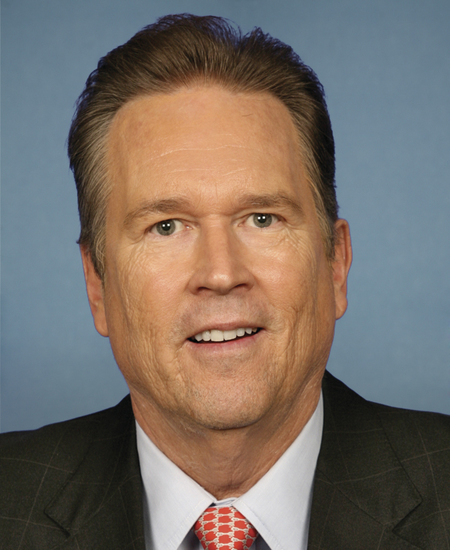
Rep. Vern Buchanan
Sponsored bills
Maddy summaryHR 9153, the "HAMAS Terrorist Fugitive Act," is a non-binding congressional resolution directing federal agencies to use existing authorities to target specific Hamas leaders. It requires the FBI to add 11 named Hamas figures (including Ismail Haniyeh and Yahya Al Sinwar) to its Most Wanted list and directs the State Department to offer rewards for their arrest or conviction under current programs. The bill does not create new laws or penalties but mandates that agencies coordinate to avoid duplicate rewards. It focuses on holding accountable leaders of Hamas and affiliated groups for the October 7, 2023, attack on Israel, which involved U.S. citizens. This resolution expresses congressional policy but has no legal force beyond directing existing agency actions.
Maddy summaryHR 9158 requires U.S. colleges and universities to immediately report to the Student and Exchange Visitor Information System (SEVIS) if a student holding an F-1 or J-1 visa supports a designated foreign terrorist organization. This applies to students on temporary visas for academic or exchange programs who endorse or participate in activities linked to such groups. If verified, the State Department would revoke the student's visa, and Homeland Security would begin removal proceedings. The bill targets specific visa holders directly affected by terrorism-related activity, with no broader policy changes beyond this reporting and enforcement mechanism.
Maddy summaryHR 9119, the Alzheimer's Law Enforcement Education Act of 2024, requires the Department of Justice to create an online training course for law enforcement officers on interacting with people with Alzheimer's disease or dementia. The course covers recognizing symptoms, effective communication techniques, avoiding physical restraints, and identifying abuse or neglect. It mandates that state departments count this training toward required certification hours for law enforcement, correctional, and probation officers. The bill directly affects these officers by requiring new training standards for handling encounters with individuals experiencing dementia. The training must be developed within one year of the bill's enactment.
Maddy summaryHRES 1365 is a non-binding House resolution calling for the immediate termination of Kimberly Cheatle as U.S. Secret Service Director. It directly addresses the Secret Service Director and the executive branch, though it has no legal force to remove her from office. The resolution’s sole provision is a formal request for her termination, reflecting the sponsors' position on her leadership. As a symbolic gesture, it does not change her employment status or require any action from the President or Secret Service.
Maddy summaryThis bill modifies U.S. tax depreciation rules for commercial and rental real estate. It changes the standard depreciation period for nonresidential real property (like offices) and residential rental property (like apartment buildings) to 20 years, removing bonus depreciation for these assets. It also creates a "neutral cost recovery" system that adjusts annual tax deductions based on GDP inflation data to maintain consistent tax treatment over time. These changes apply to property placed in service after the bill’s enactment date, affecting commercial property owners and rental investors through revised tax calculations.
Maddy summaryThe VSAFE Act of 2023 (HR 6452) establishes a new "Veterans Scam and Fraud Evasion Officer" within the Department of Veterans Affairs. This position focuses on preventing fraud against veterans, their families, caregivers, and survivors by creating communication plans, developing reporting guidelines, monitoring fraud metrics, and coordinating with other federal agencies like the IRS and DOJ. The bill does not create new benefits or increase staffing, instead directing the Department to improve existing fraud prevention efforts through standardized training and cross-agency collaboration.
Maddy summaryHR 9018, the "Stop Crimes Against Children Act," amends existing law to require federal agencies to develop specific plans for coordinating with nonprofits and universities focused on preventing child crimes. It mandates coordination with organizations supporting child victims and higher education institutions researching child crime prevention, study, and response strategies. The bill also requires formal recommendations for federal, state, local, and tribal law enforcement on best practices for preventing, identifying, and responding to crimes against children, including physical abuse, sexual abuse, abduction, exploitation, and trafficking. This legislation directly affects federal agencies, law enforcement bodies, and the organizations they partner with, aiming to strengthen coordinated responses through evidence-based approaches.
Maddy summaryThe TAKE IT DOWN Act (HR 8989) creates new federal criminal penalties for publishing nonconsensual intimate images or deepfakes without consent, directly affecting platforms hosting user-generated content and individuals who share such material. It defines "deepfake" as AI-generated intimate content falsely depicting someone, and prohibits publishing these without consent - especially when the victim expected privacy - imposing fines or up to 3 years in prison for offenses involving minors. The bill also requires "covered platforms" (like social media sites) to establish a 48-hour removal process for reported nonconsensual content and shields platforms from liability when removing content in good faith. The Federal Trade Commission enforces these provisions as unfair or deceptive practices.
Maddy summaryHRES 1330 is a non-binding resolution supporting Alzheimer’s and Brain Awareness Month in June. It recognizes the significant impact of Alzheimer’s disease on millions of Americans, including high prevalence among women and racial/ethnic minorities. The resolution encourages the public to educate themselves about Alzheimer’s, advocate for research and support services, and offer assistance to affected individuals, families, and caregivers. It does not create new programs, funding, or legal obligations. The resolution is directed at raising public awareness and fostering community support during the designated month.