

Maddy summaryHRES 1412 is a formal congressional resolution condemning the People’s Republic of China Coast Guard for specific actions against multiple nations. It cites recent incidents, including harassment of Malaysian oil projects, an attack on Philippine soldiers, standoffs near Japan’s Senkaku Islands, and the interception of a Taiwanese fishing vessel. The resolution demands China respect international maritime law, calls for global condemnation of its actions, and urges the U.S. to strengthen alliances with partners like Japan and the Philippines while holding Chinese officials accountable. As a symbolic resolution (not a binding law), it expresses U.S. policy stance but does not impose new legal requirements.
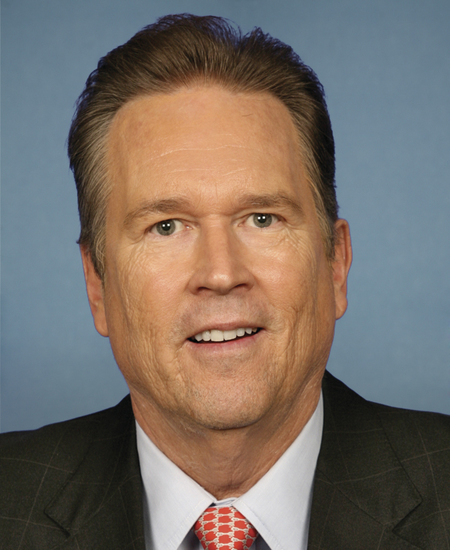
Rep. Vern Buchanan
Sponsored bills
Maddy summaryHR 9274, the SHAWL Act, establishes two new Smithsonian museums: the National Museum of the American Latino and the American Women’s History Museum. It authorizes both museums to be located within the National Mall’s "Reserve" area, overriding prior restrictions, and requires federal agencies managing potential sites to transfer jurisdiction to the Smithsonian after notifying congressional committees. The bill mandates that both museums accurately represent diverse cultures, histories, and viewpoints within Latino and women’s communities through exhibits and programs, requiring input from a broad range of community experts. It also requires the Smithsonian to submit biennial reports to Congress detailing compliance with these representation requirements.
Freedom from Unfair Gun Taxes Act of 2024 This bill prohibits states or localities from imposing a levy or collecting an excise tax on the sale of a firearm, ammunition, or any part or component thereof, by a manufacture or retailer.
Maddy summaryHRES 1395 is a non-binding House resolution expressing concern that the U.S. is being outpaced by China and Russia in nuclear energy production and global market share. It cites statistics showing China has 56 operational reactors (vs. the U.S.'s 94, including retired ones) and is actively constructing more, while the U.S. has no reactors under construction. The resolution states it is "unacceptable" that the U.S. is no longer dominant in nuclear energy and urges expanding domestic nuclear capacity and supply chains. As a symbolic resolution, it does not create new laws or funding but highlights perceived strategic competition in nuclear technology.
Maddy summaryThe STAR Act of 2024 creates a new 25% tax credit for semiconductor companies in the United States, specifically for qualified semiconductor design expenditures. This credit applies to both in-house design costs (like employee wages for design work and supplies used in design) and contracted design work paid to external firms, all conducted within the U.S. The bill directly affects U.S.-based semiconductor manufacturers and design firms by reducing their tax liability for eligible design expenses. The credit is added to the existing advanced manufacturing investment credit, with specific exclusions for non-qualifying activities like cosmetic design or duplicating existing products.
Maddy summaryHCONRES 122 is a non-binding resolution expressing Congress's view that Operation Legend - a 2020 federal-local initiative - successfully reduced violent crime in major cities like Chicago, Kansas City, and Memphis. It recommends that future presidential administrations consider deploying federal law enforcement agents to partner with local agencies in high-crime areas, similar to Operation Legend’s 2020 approach. The resolution also proposes providing grant funding to states and cities to hire more officers (including bonuses), impose stricter sentences for repeat offenders, and use bail/pretrial detention to keep dangerous individuals from reentering communities. It does not create new law but urges future administrations to prioritize these strategies to address ongoing violent crime surges.
Maddy summaryHR 9153, the "HAMAS Terrorist Fugitive Act," is a non-binding congressional resolution directing federal agencies to use existing authorities to target specific Hamas leaders. It requires the FBI to add 11 named Hamas figures (including Ismail Haniyeh and Yahya Al Sinwar) to its Most Wanted list and directs the State Department to offer rewards for their arrest or conviction under current programs. The bill does not create new laws or penalties but mandates that agencies coordinate to avoid duplicate rewards. It focuses on holding accountable leaders of Hamas and affiliated groups for the October 7, 2023, attack on Israel, which involved U.S. citizens. This resolution expresses congressional policy but has no legal force beyond directing existing agency actions.
Maddy summaryHR 9158 requires U.S. colleges and universities to immediately report to the Student and Exchange Visitor Information System (SEVIS) if a student holding an F-1 or J-1 visa supports a designated foreign terrorist organization. This applies to students on temporary visas for academic or exchange programs who endorse or participate in activities linked to such groups. If verified, the State Department would revoke the student's visa, and Homeland Security would begin removal proceedings. The bill targets specific visa holders directly affected by terrorism-related activity, with no broader policy changes beyond this reporting and enforcement mechanism.
Maddy summaryHR 9119, the Alzheimer's Law Enforcement Education Act of 2024, requires the Department of Justice to create an online training course for law enforcement officers on interacting with people with Alzheimer's disease or dementia. The course covers recognizing symptoms, effective communication techniques, avoiding physical restraints, and identifying abuse or neglect. It mandates that state departments count this training toward required certification hours for law enforcement, correctional, and probation officers. The bill directly affects these officers by requiring new training standards for handling encounters with individuals experiencing dementia. The training must be developed within one year of the bill's enactment.
Maddy summaryHRES 1365 is a non-binding House resolution calling for the immediate termination of Kimberly Cheatle as U.S. Secret Service Director. It directly addresses the Secret Service Director and the executive branch, though it has no legal force to remove her from office. The resolution’s sole provision is a formal request for her termination, reflecting the sponsors' position on her leadership. As a symbolic gesture, it does not change her employment status or require any action from the President or Secret Service.