

Maddy summaryThe PRECISE Act (HR 1459) modifies existing USDA loan and conservation programs to specifically support farmers and ranchers adopting precision agriculture technologies. It expands eligibility for loan guarantees and increases payments under the Environmental Quality Incentives Program (EQIP) and Conservation Stewardship Program (CSP) for practices involving precision agriculture - such as GPS-guided equipment, soil sensors, and data management software. The bill defines "precision agriculture" broadly to include technologies that reduce input use (like fertilizer or water) while improving efficiency, and requires USDA agencies to coordinate on these programs. Directly affects farmers using EQIP/CSP, with special provisions for socially disadvantaged and beginning farmers. It does not create new programs but adjusts existing funding mechanisms to prioritize precision agriculture adoption.
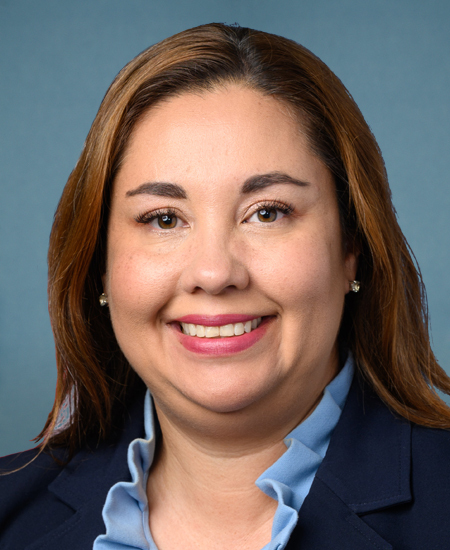
Rep. Yadira Caraveo
Sponsored bills
Maddy summaryHR 1472, the Plant Biostimulant Act, removes plant biostimulants from regulation under the Federal Insecticide, Fungicide, and Rodenticide Act (FIFRA). This means products like certain microbial treatments or plant-boosting substances (defined as materials improving plant processes without relying on nutrient content) will no longer require EPA approval as pesticides. The bill also directs the EPA to update regulations within 120 days and requires the Secretary of Agriculture to conduct a study on how plant biostimulants improve soil health, including reducing nutrient runoff and supporting carbon sequestration. The study must be reported to Congress within one year of funding.
Supporting Our First Responders Act This bill establishes a competitive grant program to support medical transport and emergency medical services (EMS). The Department of Health and Human Services (HHS) must award the grants to EMS organizations (including for-profit organizations) or state, tribal, territorial, or local governments. Grant-funded activities include (1) providing salaries and stipends for EMS workers; (2) purchasing vehicles, personal protective equipment, and other resources; and (3) establishing community paramedicine or mobile integrated health care initiatives. HHS must also report to Congress about health insurance reimbursement for medical transport and EMS and the feasibility of establishing a federal EMS office.
Maddy summaryThis resolution expresses the U.S. House of Representatives' support for recognizing March 31, 2023, as "César Chávez Day" to honor the legacy of César Estrada Chávez, a civil rights leader who founded the United Farm Workers union and advocated for farmworkers' rights. It does not create new laws or policies but formally acknowledges his life and work through a symbolic resolution. The resolution highlights Chávez's achievements, including his nonviolent organizing efforts, the 1975 California Agricultural Labor Relations Act, and his enduring influence on labor rights and social justice. It encourages the public to commemorate his legacy, referencing existing state observances and previous presidential proclamations of the day.
Maddy summaryHR 2403, the Enhanced Background Checks Act of 2023, modifies federal firearm background check procedures to address delays. It requires firearm licensees to wait at least 10 business days after a prospective buyer submits a petition verifying they are not prohibited from owning firearms before completing a sale, if the background check system hasn't cleared the transaction. The bill also mandates the Attorney General to create an electronic petition form, provide timely responses to petitions, and track delays. Additionally, it requires multiple reports analyzing implementation, transaction delays, denial reasons by state, and potential impacts on domestic violence victim safety, with the first report due within 150 days of enactment.
Maddy summaryThe International Human Rights Defense Act of 2023 creates a permanent Special Envoy at the State Department to coordinate U.S. efforts against discrimination and violence targeting LGBTQI+ people globally. The bill requires the development of an annual global strategy to address criminalization, discrimination, and violence based on sexual orientation, gender identity, or sex characteristics. It also mandates that U.S. country reports on human rights practices include detailed information about laws and practices affecting LGBTQI+ communities. The legislation authorizes U.S. foreign assistance programs to support LGBTQI+ rights through health services, legal protections, and community capacity building. This bill aims to strengthen U.S. diplomatic engagement on LGBTQI+ rights as part of broader human rights policy.
Maddy summaryThis bill requires the Veterans Affairs Secretary to expand or modify an existing national cemetery (under National Cemetery Administration control) before Arlington National Cemetery reaches capacity, ensuring it provides full military honors using the same standards and eligibility criteria that applied to Arlington as of March 31, 2023. It directly affects veterans and their families seeking burial with full military honors at national cemeteries nationwide. The bill also mandates a joint report within one year to Congress on expanding cemetery capacity and assessing whether interment criteria should recognize exceptional service, including impacts on women, non-combat veterans, and other groups. The key mechanism is preserving current military honors standards at alternative cemeteries to prevent Arlington's capacity limits from disrupting existing burial practices.
Maddy summaryHR 1139, the GUARD VA Benefits Act, amends federal law to strengthen penalties for individuals or organizations charging veterans unauthorized fees when helping with VA benefit claims. It directly affects veterans seeking assistance with VA claims and the representatives (like advocates or attorneys) who might charge them fees. The bill adds a new provision making it a violation to solicit, charge, or receive any fee for preparing, presenting, or prosecuting VA claims, punishable by fines under Title 18. This change specifically targets unauthorized fee-charging while excluding fees covered under existing exceptions in sections 5904 or 1984 of the law.
Maddy summaryThis bill restores benefits for surviving spouses of military members who died in service and later remarried. It amends two key laws: it prevents termination of Survivor Benefit Plan annuities solely due to remarriage (with a specific provision to restart payments for those who remarried before age 55), and it ensures remarriage doesn't block Dependency and Indemnity Compensation (DIC) payments, requiring the government to restart DIC for eligible spouses who remarried before age 57. The bill directly affects surviving spouses who lost benefits due to remarriage under prior rules. It makes concrete policy changes by removing remarriage as a barrier to ongoing financial support for these families.
Maddy summaryHR 1818, the Aviation Workforce Development Act, expands tax-advantaged savings plans (529 plans) to cover costs for specific aviation training programs. It allows funds from these plans to pay for tuition, fees, and required materials at FAA-certified aviation maintenance technician schools (Part 147) or commercial pilot training programs (Part 61 or 141). This directly affects students pursuing careers as aircraft maintenance technicians or commercial pilots by making these training costs more affordable through existing tax-advantaged savings. The bill amends the tax code to include these programs under "qualified higher education expenses" for 529 plan distributions.