

Maddy summaryThis bill adds a new student loan deferment option for individuals who experienced sex-based harassment. It allows eligible students to pause loan payments for up to 3 years (in periods of 3-12 months) if they reduced their course load due to harassment and submitted documentation to a covered individual (like a Title IX coordinator or healthcare provider). It also waives requirements for students to return federal grants or loans if they withdrew due to harassment and are using the new deferment. The policy directly affects students enrolled in institutions covered under the Higher Education Act who report harassment under defined terms, including sexual harassment, dating violence, domestic violence, stalking, or sexual assault.
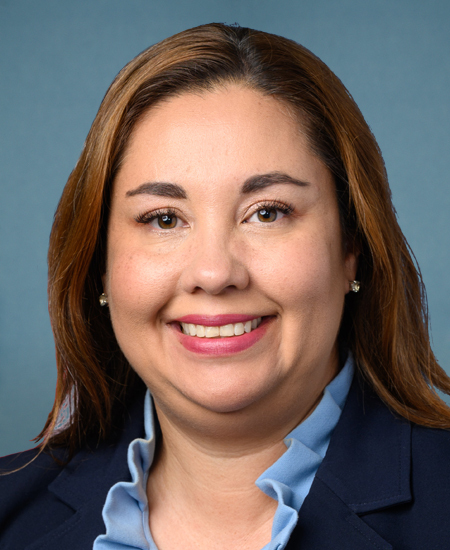
Rep. Yadira Caraveo
Sponsored bills
Maddy summaryThis bill requires websites and applications used by public entities, businesses, and employers to be accessible to people with disabilities. It directs the Department of Justice and Equal Employment Opportunity Commission to establish accessibility standards within 24 months, with special consideration for small businesses. The law defines accessibility as websites that are perceivable, operable, understandable, and robust for people with disabilities. It also creates a technical assistance center to help entities comply and provides grants to small businesses to fix inaccessible websites. The bill aims to ensure equal digital access for people with disabilities, building on existing ADA protections.
Maddy summaryThis bill requires federal agencies to adjust contract prices to reimburse contractors for paying employees during government funding lapses (e.g., shutdowns). It covers costs for furloughed, laid-off, or reduced-hour workers, or for restoring paid leave used during the lapse, with a weekly cap of $1,442 per employee. Directly affecting federal contractors and their employees who experienced work disruptions due to funding gaps, it mandates agencies to make these adjustments promptly after enactment. Contractors must provide proof of costs, and the Office of Federal Procurement Policy must report on implementation to Congress within a year.
Maddy summaryThis bill prevents federal regulators from requiring banks, credit unions, and trust companies to treat custody assets (like digital assets held for clients) as liabilities on their financial statements or to hold extra capital against them. It specifically stops institutions from recognizing liabilities for digital asset services they don’t own, unless those liabilities exceed related expenses. The law applies broadly to depository institutions but includes an exception: commingled cash held for third parties must still be listed as a liability. Key provisions aim to clarify accounting rules for digital assets, reducing regulatory complexity for financial institutions managing client custody. It directly affects banks, credit unions, and trust companies handling digital assets or custody services.
Maddy summaryThe WIC for Kids Act expands eligibility for the Special Supplemental Nutrition Program for Women, Infants, and Children (WIC) by adding new qualifying pathways. It allows children to qualify if they live in households where someone receives Head Start, Indian reservation food assistance, or Puerto Rico/Northern Mariana Islands nutrition block grants, and streamlines documentation by permitting states to use existing records. The bill extends certification periods for children from one to two years and automatically enrolls infants born to current WIC participants. This directly affects low-income families with children who qualify for related assistance programs but previously faced barriers to WIC access.
Maddy summaryThe FAST Passports Act requires the Department of State to develop a strategy within 180 days to improve passport application processing. The strategy must focus on better internal communication among passport offices and ensure U.S. citizens and their congressional representatives receive timely updates on application status. It specifically aims to reduce delays by standardizing communication channels and response times. This bill directly affects the Department of State's passport operations and the experience of citizens applying for passports. The strategy must be submitted to the House Foreign Affairs Committee and Senate Foreign Relations Committee.
Maddy summaryHR 5728, the Government Shutdown Impact Report Act of 2023, requires the Congressional Budget Office (CBO) to issue daily reports during government shutdowns. The CBO must submit reports within 24 hours of each shutdown day, detailing specific economic impacts like lost GDP, unprovided Small Business Administration assistance, lost park revenue, and tourism revenue declines. These reports will provide Congress with real-time data on the costs of shutdowns to taxpayers and the economy. The bill directly affects how Congress receives information about shutdown consequences, mandating standardized, frequent reporting on economic and service disruptions.
Maddy summaryThis bill authorizes federal funding for precision agriculture workforce training programs. It adds "precision agriculture workforce development" as a specific purpose for research and extension grants under the Food, Agriculture, Conservation, and Trade Act of 1990. It also directs the Agriculture and Food Research Initiative to fund cooperative education programs at colleges and universities that improve precision agriculture training. These changes directly affect educational institutions partnering with public or private entities to develop workforce training curricula.
Maddy summaryThis bill extends the funding period for the Distance Learning and Telemedicine Program from 2023 to 2028. It directly affects rural communities by ensuring continued access to telehealth services and educational programs through this existing federal initiative. The key provision is a simple amendment to the program's authorization date in existing law, without creating new requirements or altering the program's scope. The change ensures uninterrupted support for rural healthcare and education providers relying on this funding.
Rural Microentrepreneur Assistance Act of 2023 This bill reauthorizes through FY2028 and revises the Rural Microentrepreneur Assistance Program (RMAP). This Department of Agriculture program provides loans to eligible microenterprise development organizations to capitalize revolving loan funds that provide loans to qualified rural microenterprises. The bill increases the amount a rural microenterprise may borrow to up to $75,000 (from up to $50,000). The bill also increases the maximum allowable federal cost share to 100% (from 75%). The bill further specifies that a RMAP project loan may not be used to cover more than 50% of any demolition, construction, or related costs of real estate improvements.